Education Beyond Books
Exploring how real-life skills and experiences shape true education beyond textbooks.

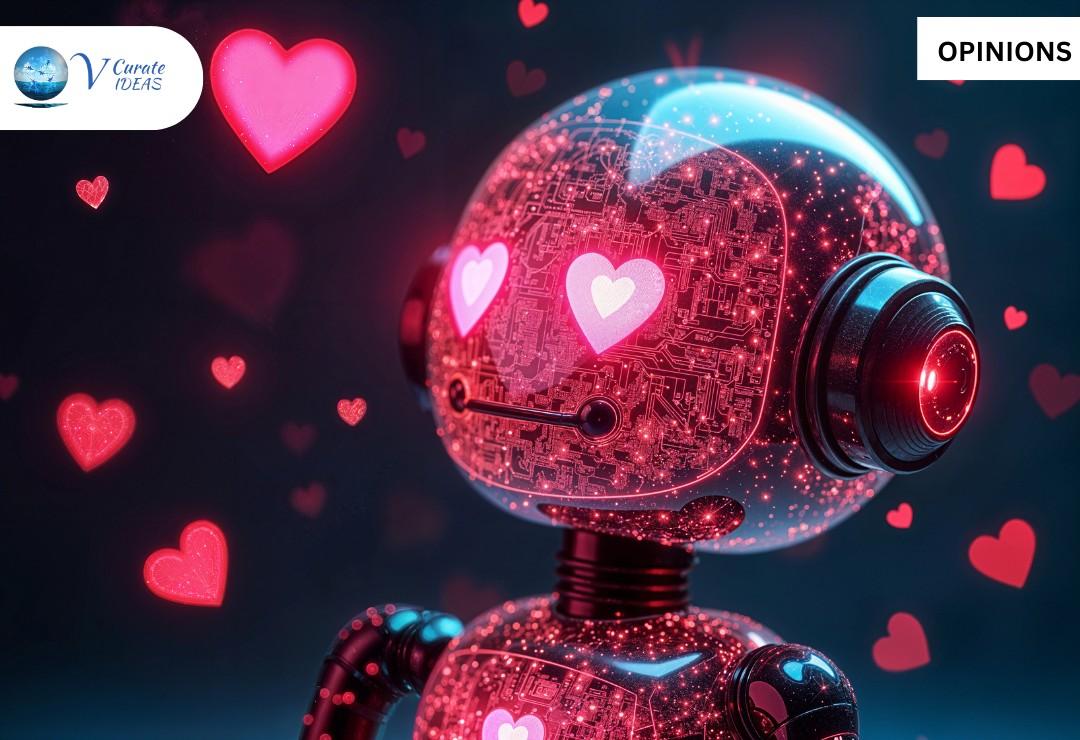
The rise of AI companions is not just another tech trend, it is becoming a defining shift in how Gen Z experiences friendship, dating, and even mental health support. What once sounded like science fiction is now embedded in everyday life through AI chatbots, virtual girlfriends and boyfriends, and highly personalized digital assistants that remember your moods, preferences, and routines.
For a generation raised on smartphones and social platforms, forming connections through screens is not new. What is new is the emotional depth people are beginning to attribute to these systems. The global growth of artificial intelligence apps reflects a deeper reality that many young adults are navigating loneliness, career anxiety, and relationship fatigue in a hyper competitive world.
An AI companion app offers instant replies, zero judgment, and 24-hour availability. That level of accessibility feels comforting, especially in cities where social pressure and academic expectations are intense. Critics argue that relying on virtual relationships weakens real world social skills, but that view oversimplifies what is actually happening. Many users treat AI as a supplement, not a replacement. It becomes a rehearsal space for difficult conversations, a journaling partner, or a safe outlet for vulnerability.
The emotional attachment to digital companionship technology also reveals a broader truth about modern life. Young people crave personalization and control. In contrast to unpredictable human relationships, AI can adapt instantly. As generative AI platforms evolve with voice realism and emotional recognition, the boundary between tool and companion will blur further.
The real question is not whether AI friends are good or bad. It is whether society is prepared for a world where human and artificial relationships coexist as part of daily emotional life. Gen Z is not waiting for permission to explore this space. They are already shaping it, downloading it, customizing it, and redefining what connection means in a digital first era.

Exploring how real-life skills and experiences shape true education beyond textbooks.

How social media influences fitness trends, motivation & modern body image

Elon Musk is famous for being an environmental entrepreneur and businessman. Let's take a survey to know why is he so famous :)

This survey is aimed at knowing the way social media is affecting our youth in both positive and negative ways.

Explore effective diets for weight loss—what works best for you?

Is Valentine’s Day all about love or just meeting expectations?
© Copyright 2019 - 2026, All Rights Reserved