Streetwear Shift
Why Gen Z is transforming fashion with eco conscious style choices

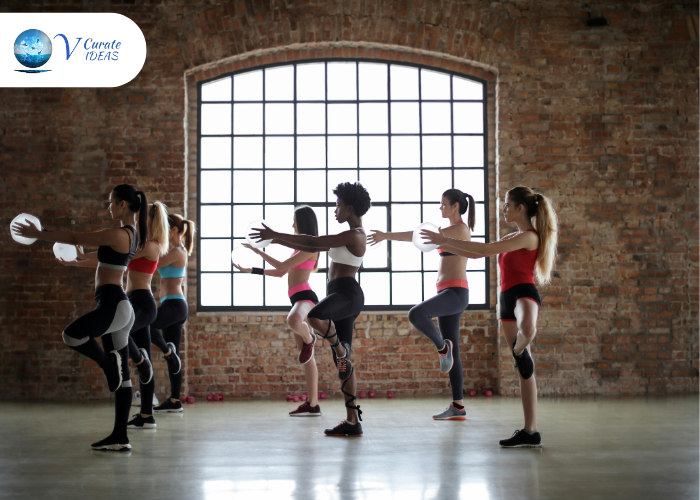
In today’s digital age, social media has become one of the most powerful forces influencing lifestyle choices, especially in the world of fitness. Platforms like Instagram, TikTok, YouTube, and Facebook have transformed how people view exercise, body image, and health. What was once guided mainly by trainers, gyms, and medical advice is now heavily shaped by online content creators and viral trends.
One major way social media shapes fitness trends is through visibility and accessibility. Fitness influencers regularly share workout routines, diet plans, and transformation stories that reach millions of people instantly. This easy access motivates individuals who may not afford gyms or personal trainers, encouraging home workouts and beginner-friendly exercises. Short workout reels and challenges make fitness feel achievable and engaging for a wide audience.
Social media also plays a strong role in motivation and accountability. Seeing others share progress pictures, daily workouts, or fitness challenges inspires users to stay consistent. Online communities create a sense of belonging, where people support each other through comments, likes, and shared goals. Hashtags like #FitnessJourney or #WeightLossMotivation help users connect and feel less alone in their efforts.
However, social media’s influence is not always positive. It often promotes unrealistic body standards through edited images, filters, and extreme transformations. This can lead to unhealthy comparisons, body dissatisfaction, and pressure to achieve quick results. Many viral fitness trends oversimplify weight loss, ignoring the importance of genetics, mental health, and long-term consistency.
Another concern is the spread of misinformation. Not all fitness advice shared online is scientifically accurate. Some influencers promote unsafe workouts, extreme diets, or supplements without proper knowledge, which can harm viewers who blindly follow trends without professional guidance.
In conclusion, social media strongly shapes fitness trends by making exercise more visible, motivating, and accessible. While it has encouraged many people to adopt healthier lifestyles, it also carries risks related to unrealistic expectations and misinformation. To benefit fully, users must approach social media fitness content with awareness, balance, and critical thinking, using it as inspiration rather than a standard for self-worth.

Why Gen Z is transforming fashion with eco conscious style choices

AI companions redefining modern connection and digital intimacy

Elon Musk is famous for being an environmental entrepreneur and businessman. Let's take a survey to know why is he so famous :)

This survey is aimed at knowing the way social media is affecting our youth in both positive and negative ways.

Explore effective diets for weight loss—what works best for you?

Is Valentine’s Day all about love or just meeting expectations?
© Copyright 2019 - 2026, All Rights Reserved