Technology and Society
The Quiet Rise of AI Dependency

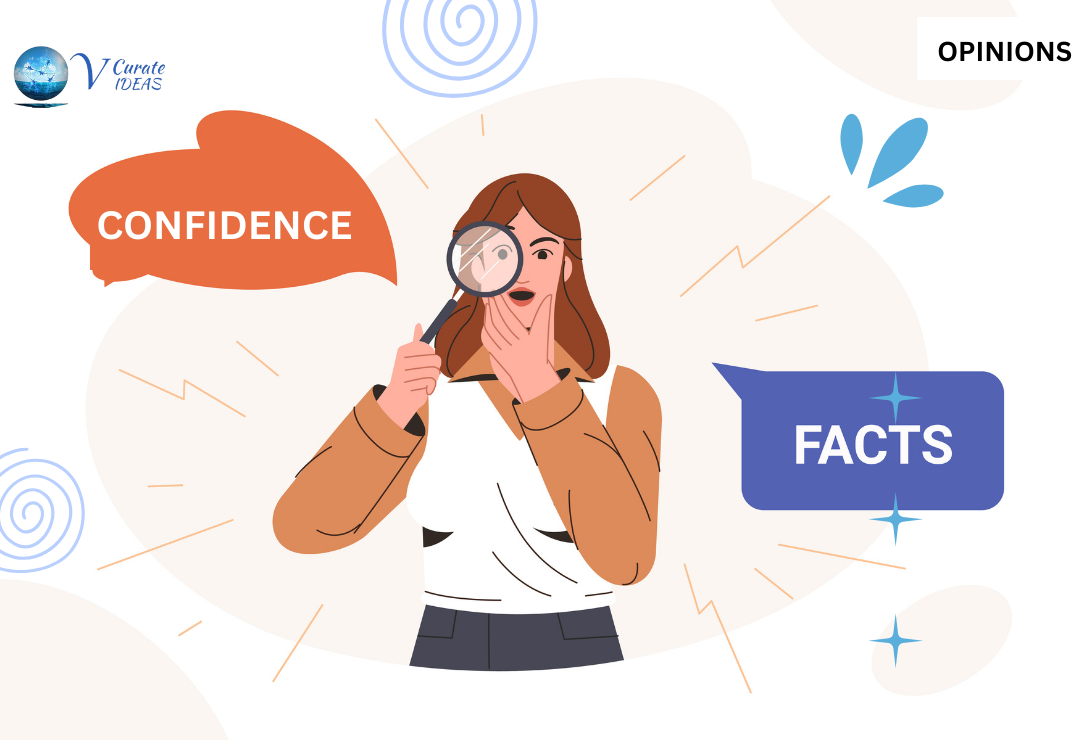
In today’s information-driven culture, confidence often outweighs accuracy. People increasingly mistake assertive communication for reliable knowledge, creating a world where persuasive narratives dominate over nuanced understanding. This phenomenon is visible everywhere from social media to professional settings and it raises questions about how society evaluates truth. Searches like why confident answers feel trustworthy and how to distinguish truth from persuasion indicate a growing awareness of this challenge. The problem lies in the way humans process information. When individuals encounter fluent explanations delivered with certainty, they are prone to accept them without scrutiny. This trend has implications for decision-making, education, and even governance, as individuals may prioritize persuasive authority over verified evidence. Modern tools and platforms amplify this effect, providing highly polished outputs that can appear credible regardless of accuracy. Awareness of misinformation dynamics is therefore critical in cultivating informed citizens.
This trend also reshapes professional and social interactions. People may favor coworkers or advisors who speak confidently rather than those who are accurate but cautious, creating environments where overconfidence is rewarded. Yet, understanding that confidence does not equal competence is essential for long-term success. Cultivating critical evaluation skills and fact-based reasoning helps individuals navigate a world increasingly dominated by appearance over substance. Ultimately, society must recognize the value of measured truth over loud assertion. Encouraging critical thinking, verifying sources, and questioning confident statements ensures that decisions, learning, and public discourse are grounded in reality. By prioritizing evidence over persuasion, humans can reclaim intellectual integrity while still appreciating articulate communication.

The Quiet Rise of AI Dependency

Emotional Intelligence Shapes Leadership Today

Elon Musk is famous for being an environmental entrepreneur and businessman. Let's take a survey to know why is he so famous :)

This survey is aimed at knowing the way social media is affecting our youth in both positive and negative ways.

Role of greenery in city planning

Impact of game mechanics on student engagement
© Copyright 2019 - 2026, All Rights Reserved