Sleep Reset Culture
Why quality sleep is becoming the ultimate productivity trend


Dreams have always been one of the most mysterious parts of human life. They are private, emotional, and often confusing experiences that happen inside the mind while we sleep. But imagine a world where dreams could be recorded like videos and played back later. This idea would completely change how we understand the human brain, privacy, creativity, and even relationships.
If dream recording technology existed, the biggest impact would be on science and psychology. Scientists would finally be able to study subconscious thoughts directly instead of relying on memory or interpretation. Mental health treatment could improve drastically because doctors could see exactly what a patient is dreaming about. Conditions like PTSD, anxiety, and depression could be diagnosed more accurately by analyzing recurring dream patterns. However, this also raises concerns about how deeply the mind would be exposed.
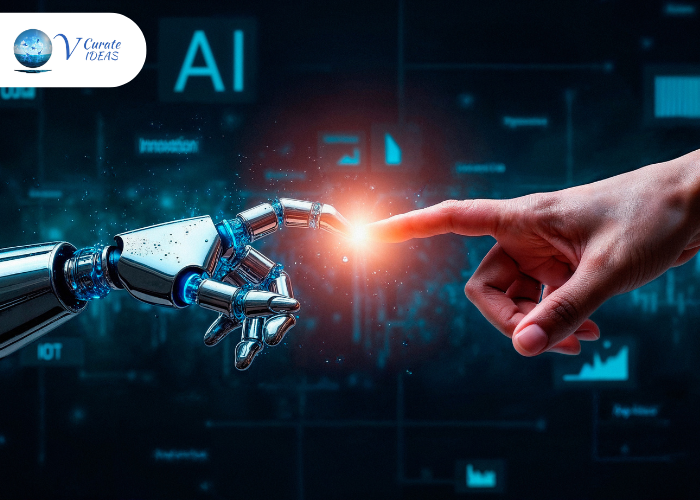
Navigating Tomorrow: How AI Is Shaping Gen Z Career Paths
One major issue would be the loss of mental privacy. Today, dreams are the last safe space where no one can enter. If they were recorded, even this inner world could become accessible. Governments, corporations, or even individuals might misuse dream data. For example, someone’s fears, secrets, or hidden desires could be exposed without their control. This could lead to serious ethical problems around personal freedom and mental rights.
On the positive side, dream recording could revolutionize entertainment and creativity. Artists, filmmakers, and writers could use dream footage as inspiration for new stories, movies, or music. Many people already say they get their best ideas from dreams, so recording them could unlock unlimited creativity. Entire industries could be built around dream-based media, where people share or even sell their dream experiences.
Relationships between people might also change. Imagine being able to show your dreams to your friends or partner. Misunderstandings could be reduced because emotions and subconscious feelings would be more visible. However, it could also create tension. Seeing someone else’s dream about another person could lead to jealousy or confusion, even if the dream was not intentional. This would blur the line between reality and imagination, making emotional life more complicated.
Another important effect would be on education and learning. If dreams could be recorded, students might be able to review their sleep thoughts to improve memory and problem-solving. The brain often processes information during sleep, so dream analysis tools could help enhance learning efficiency. But at the same time, over-reliance on technology might weaken natural imagination and reduce the mystery that makes dreams special.
In conclusion, the ability to record dreams would be both a scientific breakthrough and a serious ethical challenge. It could improve medicine, creativity, and communication, but it could also destroy mental privacy and emotional boundaries. Dreams are powerful because they are personal and untouchable. Once they become visible and recordable, humanity would have to decide whether gaining knowledge is worth losing the final hidden space of the human mind.

Why quality sleep is becoming the ultimate productivity trend

Build skills that keep your career ahead in an AI driven world

Elon Musk is famous for being an environmental entrepreneur and businessman. Let's take a survey to know why is he so famous :)

This survey is aimed at knowing the way social media is affecting our youth in both positive and negative ways.

Gen Z fashion increasingly seems less interested in looking expensive

Gen Z talks about money more openly than previous generations.
© Copyright 2019 - 2026, All Rights Reserved