Sleep Reset Culture
Why quality sleep is becoming the ultimate productivity trend


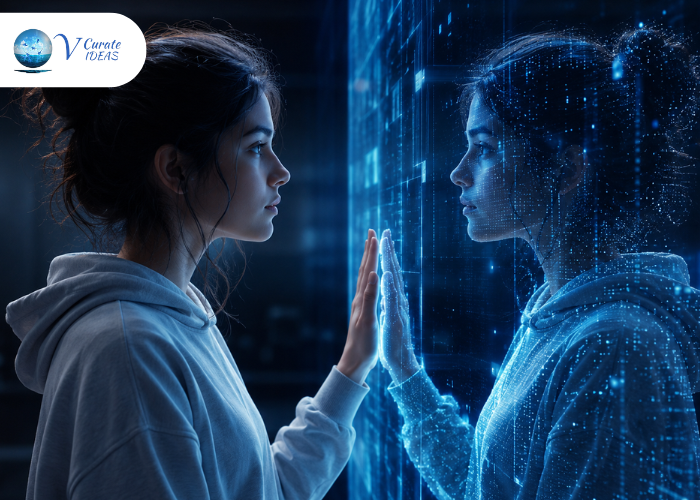
We are living in a time where the difference between online identity and real identity is becoming increasingly blurred. The rise of social media platforms such as Instagram, TikTok, Snapchat, and YouTube has changed the way people present themselves and understand who they are. Today, identity is no longer shaped only by real-world experiences, relationships, and personality. It is also shaped by digital presence, online engagement, and virtual perception. This shift raises an important question: are we still expressing our true selves, or are we slowly becoming a version created for the internet?
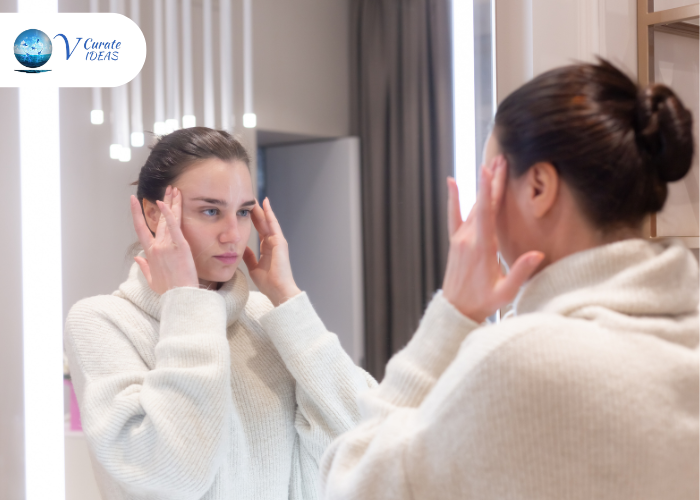
In the modern digital culture, people carefully construct their online persona. Every post is edited, every photo is filtered, and every caption is curated to create a certain impression. This has made identity more of a performance than a reflection. Instead of simply living moments, many people now think about how those moments will look online. This constant awareness of being “seen” creates pressure to maintain a perfect image that may not match reality. As a result, the gap between curated life and real life continues to grow.
One of the strongest influences behind this change is social validation culture. On social media, likes, comments, shares, and followers act as a form of approval. Over time, many individuals begin to link their self-worth with online engagement. A post with more likes feels more valuable, while low engagement can feel like rejection. This silent system of validation slowly shapes identity, making people adjust their behavior to gain attention and approval rather than express authenticity.
Another powerful factor is comparison culture. Social media often shows only the best parts of people’s lives luxury travel, perfect bodies, successful careers, and happy relationships. What is not shown are struggles, failures, and everyday challenges. This creates an illusion that everyone else is living a better life. Constant exposure to this can lead to self-doubt, anxiety, and reduced confidence, as individuals begin to compare their real life with someone else’s highlight reel. Over time, this comparison can distort how people see themselves.
At the same time, it is important to recognize that the online world is not entirely negative. It also provides opportunities for self-expression, creativity, and identity exploration. People can share their talents, opinions, art, and personal stories with a global audience. For many, the internet becomes a safe space to express parts of themselves that may not be accepted in real life. In this sense, the digital identity can sometimes feel more open and freeing than the physical one.
However, the problem begins when the online identity starts replacing the real one. Many individuals begin to live experiences not for personal enjoyment, but for content creation. Moments are staged, emotions are filtered, and life starts to feel like a constant performance. This leads to a subtle disconnect from reality, where the focus shifts from living life to presenting it.
We are now in an era where most people carry two versions of themselves: the real self, shaped by emotions, experiences, and authenticity, and the online self, shaped by perception, trends, and digital approval. The challenge is not the existence of these two identities, but the balance between them.
In conclusion, identity in the digital age is complex and constantly evolving. While online platforms offer opportunities for expression and connection, they also create pressure to perform and compare. The real question is not whether online identity is good or bad, but whether we are still in control of it or if it is slowly shaping us instead.

Why quality sleep is becoming the ultimate productivity trend

Build skills that keep your career ahead in an AI driven world

Elon Musk is famous for being an environmental entrepreneur and businessman. Let's take a survey to know why is he so famous :)

This survey is aimed at knowing the way social media is affecting our youth in both positive and negative ways.

Gen Z fashion increasingly seems less interested in looking expensive
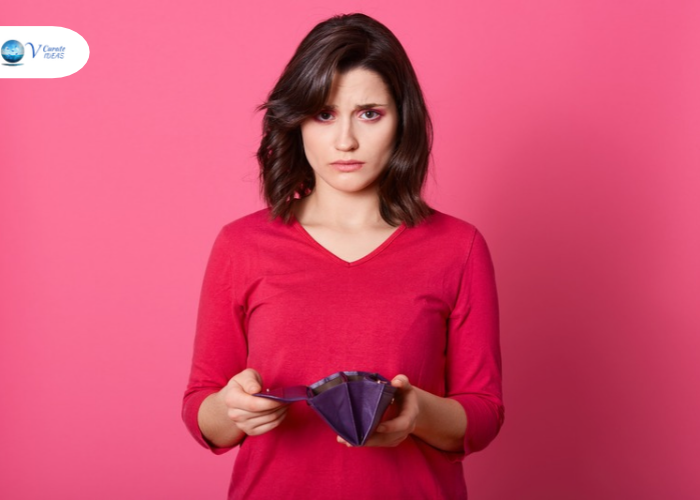
Gen Z talks about money more openly than previous generations.
© Copyright 2019 - 2026, All Rights Reserved