Sleep Reset Culture
Why quality sleep is becoming the ultimate productivity trend

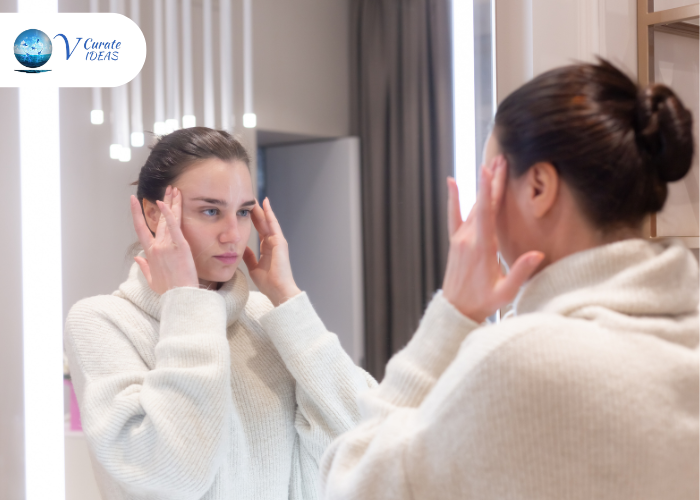
In today’s hyper-digital world, the idea of a “glow up” has become more than just a personal transformation it has evolved into a cultural expectation. Across social media platforms, people constantly showcase their physical, financial, and emotional upgrades, creating a narrative that improvement must always be visible and measurable. While this trend can inspire self-growth and confidence, it also raises an important question: is the pressure to glow up empowering individuals, or is it trapping them in a cycle of constant comparison?
The term “glow up” originally referred to a natural progression of self-improvement over time whether through maturity, personal development, or lifestyle changes. However, with the rise of curated online identities, it has shifted into a more aesthetic-driven transformation. Before-and-after photos, fitness journeys, skincare routines, and luxury lifestyle upgrades dominate feeds, making transformation seem not only desirable but necessary. This visibility has turned self-improvement into a form of performance. Instead of focusing on internal growth, many individuals feel compelled to present a visually appealing version of success, often measured by likes, shares, and validation from others.
On the positive side, glow-up culture can act as a powerful motivator. It encourages people to invest in themselves physically, mentally, and emotionally. Many individuals adopt healthier habits, pursue education, or build better routines as part of their personal transformation journey. This version of a glow up fosters genuine confidence, where the focus is on becoming a better version of oneself rather than competing with others. When approached mindfully, it promotes self-discipline, growth, and self-awareness, helping individuals feel more in control of their lives. For example, someone starting a fitness journey for health reasons or improving their mental well-being through therapy is experiencing a meaningful glow up that goes beyond surface-level change.
Despite its benefits, glow-up culture often comes with a hidden cost comparison. Social media rarely shows the full picture. What appears as effortless transformation is often the result of filters, editing, or selective sharing. This creates unrealistic standards that are difficult, if not impossible, to achieve. As a result, individuals may begin to measure their worth against others’ curated lives. This can lead to feelings of inadequacy, low self-esteem, and anxiety. The pressure to constantly improve can become overwhelming, making people feel like they are never “enough” unless they are visibly upgrading their lives.
Moreover, the idea that one must always be progressing can turn self-growth into a never-ending race, where satisfaction is always just out of reach.
Social media platforms play a significant role in amplifying glow-up culture. Algorithms prioritize visually appealing, high-engagement content, often pushing transformation videos and “success stories” to a wider audience. This creates a feedback loop where users are constantly exposed to idealized versions of life. Over time, this exposure can distort perceptions of reality. People may begin to believe that everyone else is improving faster, achieving more, or living better lives when in reality, they are only seeing highlight reels.
To break free from the cycle of comparison, it’s important to redefine the concept of a glow up. True transformation should not be limited to physical appearance or material success. Instead, it should include emotional resilience, mental clarity, and personal fulfillment. A meaningful glow up might look like setting boundaries, healing from past experiences, or simply becoming more comfortable in one’s own skin. These changes may not always be visible, but they are far more impactful in the long run.
Top Skincare Ingredients Redefining Beauty
The key to navigating glow-up culture lies in balance. Self-improvement should come from a place of self-love, not societal pressure. It’s important to celebrate progress without constantly comparing it to others. Practical steps include limiting time on social media, curating a positive digital environment, and focusing on personal goals rather than external validation. By shifting attention inward, individuals can reclaim their journey and redefine success on their own terms.
The pressure to glow up sits at the intersection of confidence and comparison. While it has the potential to inspire growth and self-improvement, it can also lead to unrealistic expectations and constant self-doubt. Ultimately, the impact depends on how individuals interpret and engage with the trend. A true glow up is not about becoming someone else it is about becoming more authentically yourself. When self-improvement is driven by purpose rather than pressure, confidence naturally follows, and comparison begins to lose its power.

Why quality sleep is becoming the ultimate productivity trend

Build skills that keep your career ahead in an AI driven world

Elon Musk is famous for being an environmental entrepreneur and businessman. Let's take a survey to know why is he so famous :)

This survey is aimed at knowing the way social media is affecting our youth in both positive and negative ways.

The strongest careers may belong to people who can combine these skills rather than rely on just one.

Your view on AI side hustles
© Copyright 2019 - 2026, All Rights Reserved