Sleep Reset Culture
Why quality sleep is becoming the ultimate productivity trend

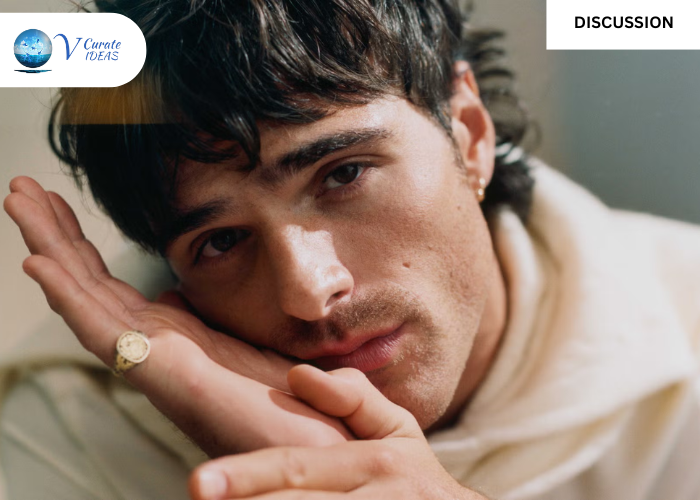
In today’s Gen Z internet culture, the obsession with Jacob Elordi is not just about physical attraction or traditional celebrity fame, but a deeper mix of psychology, digital behavior, and aesthetic-driven identity. He represents a modern type of celebrity who feels less like a Hollywood star and more like a living internet aesthetic. His relatively private personality creates a strong sense of mystery, which fuels curiosity and allows fans to project emotions, fantasies, and imagined personality traits onto him. This “unknown effect” is powerful because in psychology, attraction often increases when information is incomplete the more uncertain someone feels about a person, the more their mind fills in the gaps with idealized versions.
Another major factor behind his popularity is his filmography and character impact. Roles in projects like Euphoria, Saltburn, and Priscilla have shaped his public image into a blend of emotional intensity, dark charm, and complex masculinity. These characters often reflect traits that Gen Z finds deeply engaging — especially the mix of vulnerability, dominance, and emotional unpredictability. Over time, audiences begin to blur the line between actor and character, creating a combined identity that feels larger than life and constantly discussed online.
Social media has amplified this effect even further. Platforms like TikTok and Pinterest circulate endless edits of him using cinematic filters, slow-motion clips, and emotional soundtracks, creating an algorithm-driven illusion that he is constantly present in digital spaces. This leads to algorithmic familiarity bias, where repeated exposure makes someone feel more significant, recognizable, and emotionally familiar, even without personal interaction. As a result, even casual internet users feel like they “know” him, increasing emotional attachment.
Life Without an Audience: What Would Change?
His personal life and dating speculation also contribute to the obsession. Public curiosity around his relationships turns into a form of parasocial engagement, where fans emotionally invest in a celebrity’s life without real connection. This transforms private details into public narratives, fueling continuous discussion, theories, and online debates. However, most of this attention is not about confirmed facts but about how audiences imagine his romantic identity and personality.
Ultimately, the obsession with Jacob Elordi reflects a major shift in modern fame. He represents a new era where celebrity is shaped by aesthetics, algorithm visibility, emotional projection, and internet storytelling rather than only films or interviews. His image is not just built by Hollywood but continuously reconstructed by millions of online interpretations, edits, and discussions.
What do you think?
Is the obsession with Jacob Elordi really about the person himself, or about the internet-created fantasy version of him?

Why quality sleep is becoming the ultimate productivity trend

Build skills that keep your career ahead in an AI driven world

Discover why personal style is replacing fast fashion as the new trend for confident everyday choices

Explore subscription fatigue streaming apps costs and how digital habits are shifting online today

Elon Musk is famous for being an environmental entrepreneur and businessman. Let's take a survey to know why is he so famous :)

This survey is aimed at knowing the way social media is affecting our youth in both positive and negative ways.
© Copyright 2019 - 2026, All Rights Reserved








Participant Comments