Sleep Reset Culture
Why quality sleep is becoming the ultimate productivity trend

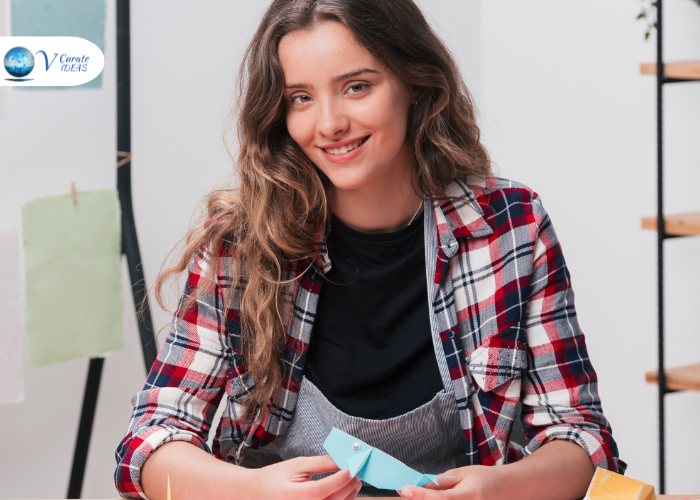
The creator world is changing. For years, online success was often measured by massive follower counts, viral videos, and millions of views. The biggest names dominated conversations, and many aspiring creators believed that reaching the top meant becoming as widely recognized as possible. But a new shift is happening across the digital space. More people are discovering that smaller creators with dedicated communities can sometimes have more influence than accounts with huge audiences. This change is creating a new chapter in the creator economy where connection matters more than popularity.
The rise of micro creators shows that audiences are becoming more selective about who they trust. People are not only looking for entertainment anymore. They want recommendations, conversations, and content that feels genuine. A creator with 10,000 followers who regularly interacts with their audience may have a stronger relationship with their community than someone with millions of followers who feels distant. This is why authentic content creation is becoming one of the biggest trends shaping online platforms.
Many Gen Z audiences have grown tired of overly polished content that feels like advertising. Perfect lifestyles, unrealistic expectations, and constant promotion can make digital spaces feel less personal. Smaller creators often stand out because they share experiences that feel relatable. They talk about everyday challenges, personal discoveries, hobbies, learning journeys, and niche interests. That honesty helps people feel like they are part of a community rather than just watching a performance.
This movement is also changing how brands approach marketing. Instead of investing only in celebrities or extremely large influencers, many companies are working with smaller creators who have strong relationships with specific audiences. A creator focused on sustainable fashion, fitness, books, gaming, cooking, or personal finance may influence purchasing decisions because their followers genuinely value their opinions. In many cases, trust becomes more valuable than reach.
The growth of niche communities is another reason small creators are gaining attention. Online audiences are becoming more specialized. People are not simply searching for general content anymore. They want spaces that match their interests and values. A small creator who builds a community around a specific passion can create deeper engagement than a larger creator trying to appeal to everyone.
Platforms are also supporting this shift. Features like memberships, newsletters, digital products, live sessions, and community tools allow creators to build stronger relationships beyond traditional social media posts. A creator no longer needs millions of views to build a sustainable career. They can develop a loyal audience, offer valuable products or services, and create income through multiple channels.
However, becoming a successful small creator still requires patience. Building trust takes time, and audiences can quickly recognize when someone is only focused on making money. The creators who stand out are usually those who provide real value, listen to their communities, and create conversations instead of simply broadcasting messages.
For Gen Z, this new creator landscape represents a different definition of success. Being influential does not always mean being famous everywhere. Sometimes it means being meaningful to a specific group of people. A creator who helps someone learn a skill, discover a new interest, or feel understood can have a powerful impact without ever becoming a mainstream celebrity.
The future of the digital creator landscape may belong to those who focus less on chasing viral moments and more on building lasting relationships. In a world filled with endless content, genuine connection has become the thing people remember most.
Do you think smaller creators with loyal communities will become more influential than traditional internet celebrities in the future?

Why quality sleep is becoming the ultimate productivity trend

Build skills that keep your career ahead in an AI driven world
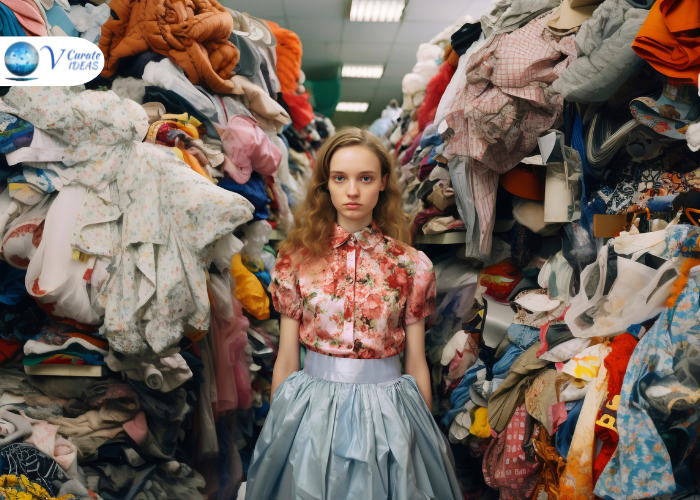
Discover why personal style is replacing fast fashion as the new trend for confident everyday choices

Explore subscription fatigue streaming apps costs and how digital habits are shifting online today

Elon Musk is famous for being an environmental entrepreneur and businessman. Let's take a survey to know why is he so famous :)

This survey is aimed at knowing the way social media is affecting our youth in both positive and negative ways.
© Copyright 2019 - 2026, All Rights Reserved




Participant Comments