Sleep Reset Culture
Why quality sleep is becoming the ultimate productivity trend

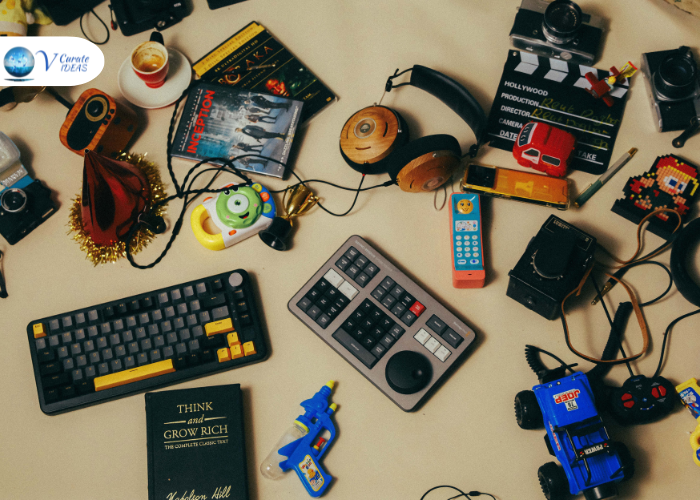
There is something unexpected happening right now. The generation that grew up with smartphones, streaming, and social media is slowly falling in love with things that cannot be refreshed with a swipe. Walk into almost any coffee shop, bookstore, or community event and you will probably spot someone carrying a film camera, sketching in a notebook, reading a physical book, or talking about their latest pottery class. At first, it feels surprising because Gen Z trends have always been associated with technology. But maybe that is exactly why analog hobbies are having such a powerful comeback.
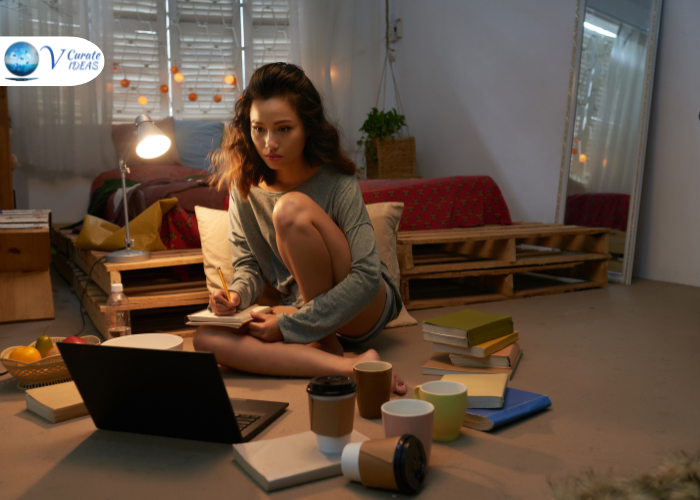
Life today is incredibly connected, but it is also incredibly noisy. Every notification competes for attention, every scroll introduces another opinion, and every platform encourages people to stay online a little longer. After spending hours each day looking at screens for work, school, entertainment, and communication, many young adults are beginning to search for experiences that feel slower and more intentional. That is where offline creativity comes into the picture. Activities like journaling, painting, knitting, baking, collecting vinyl records, photography with film cameras, and even writing handwritten letters offer something that digital experiences often cannot. They create moments that are impossible to rush.
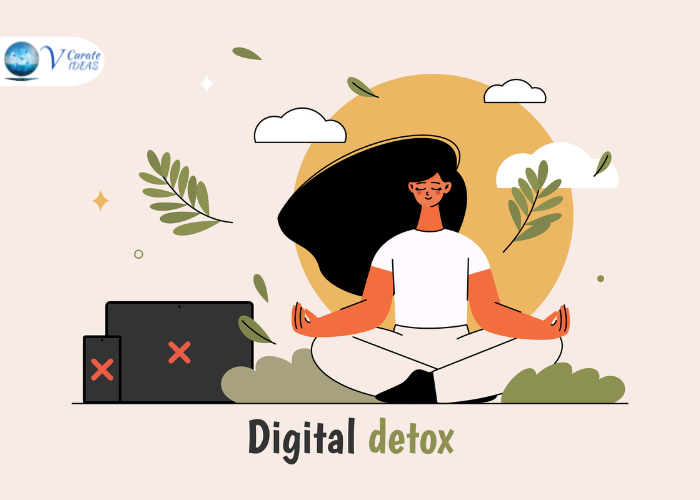
Interestingly, this shift is not about rejecting technology. Most people are not deleting every app or abandoning their devices forever. Instead, they are creating balance. Someone might spend the morning responding to emails and editing videos, then spend the evening learning watercolor techniques or joining a local book club. This balance allows creativity to exist without the pressure of likes, comments, or algorithms deciding whether something is valuable. That freedom has become incredibly appealing, especially for people who have spent years sharing almost every experience online.
Another reason creative hobbies are becoming more popular is that they encourage real progress rather than instant results. Learning pottery requires patience. Reading more books takes commitment. Playing a musical instrument demands practice. Unlike digital platforms where everything happens immediately, these hobbies remind people that improvement comes from consistency. That feeling of slowly becoming better at something can be surprisingly rewarding in a world that often celebrates quick success.
There is also a growing desire for experiences that create genuine memories. Disposable cameras are becoming popular because nobody knows exactly how the photos will turn out. Handmade journals become personal time capsules instead of disappearing into a cloud storage folder. Local craft markets, community workshops, and neighborhood classes give people opportunities to meet others with similar interests without needing a profile picture or follower count to start a conversation. These experiences often feel more authentic because they happen naturally rather than through carefully curated online identities.
The return of slow living also plays a role in this trend. More people are questioning whether being constantly busy actually makes them happier. Spending an afternoon baking bread, tending to plants, solving puzzles, or finishing a novel may not look productive on social media, but it often leaves people feeling calmer and more fulfilled. That emotional benefit is becoming more valuable as conversations around stress and digital burnout continue to grow.
Brands have started noticing this change as well. More companies are releasing physical journals, instant cameras, art supplies, and DIY kits because they recognize that many young consumers are looking for products that encourage experiences instead of endless scrolling. Even content creators are sharing less about perfection and more about hobbies that simply bring them joy. That shift suggests this is more than a passing trend. It reflects changing priorities about how people want to spend their free time.
Perhaps the biggest lesson is that Gen Z lifestyle trends are no longer only about adopting the newest technology. Sometimes the most refreshing trend is rediscovering something that has been around for decades. Whether it is painting a canvas, collecting records, gardening, or writing in a notebook before bed, these simple activities remind people that creativity does not always need WiFi to feel meaningful.
Do you think analog hobbies are becoming a lasting lifestyle choice for Gen Z, or are they just another trend that will eventually fade?
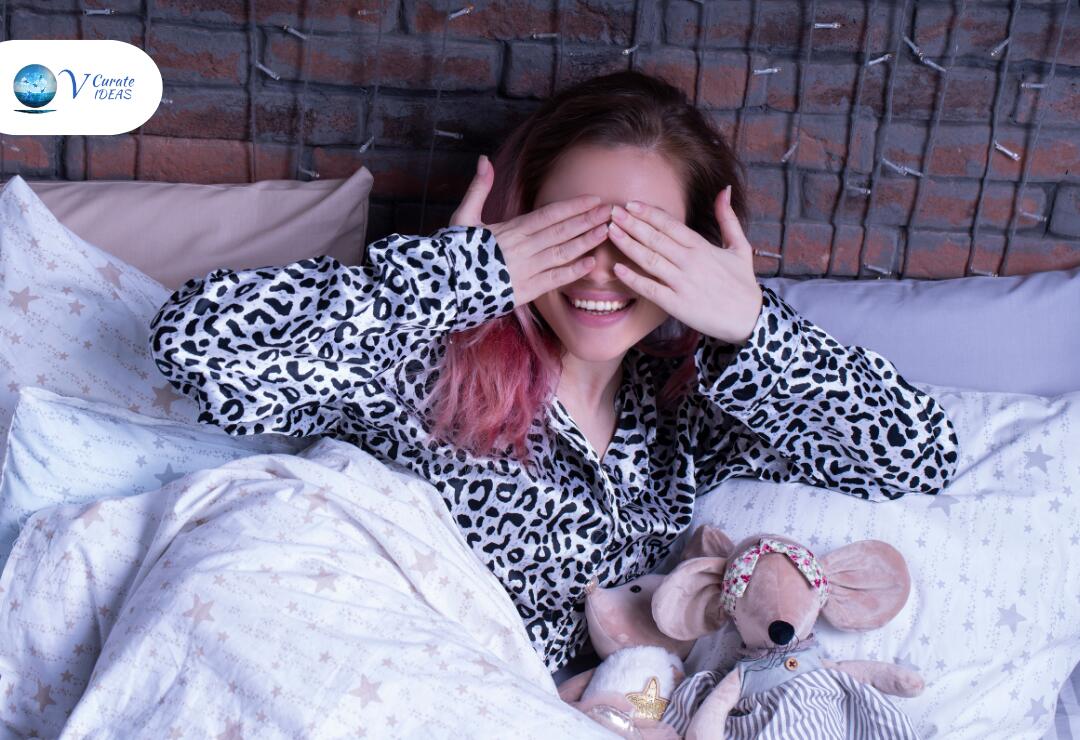
Why quality sleep is becoming the ultimate productivity trend

Build skills that keep your career ahead in an AI driven world

Discover why personal style is replacing fast fashion as the new trend for confident everyday choices

Explore subscription fatigue streaming apps costs and how digital habits are shifting online today

Elon Musk is famous for being an environmental entrepreneur and businessman. Let's take a survey to know why is he so famous :)

This survey is aimed at knowing the way social media is affecting our youth in both positive and negative ways.
© Copyright 2019 - 2026, All Rights Reserved





Participant Comments