Sleep Reset Culture
Why quality sleep is becoming the ultimate productivity trend

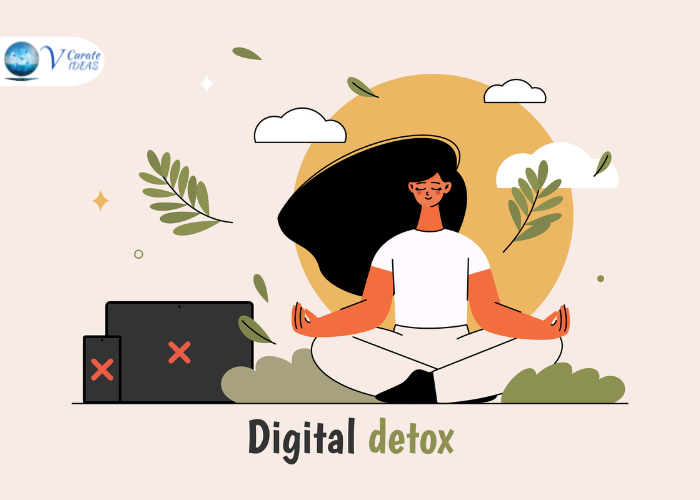
There was a time when being connected all day felt exciting. Every notification, message, and trending video made it seem like we were always part of something bigger. Today, however, many people are beginning to question whether being online every waking moment is actually making life better. The conversation around digital detox has grown because more people are recognizing how constant screen time can affect focus, sleep, creativity, and even personal relationships. Instead of rejecting technology altogether, the goal is finding a healthier balance that allows people to enjoy the benefits of technology without feeling controlled by it.
One of the biggest changes people notice after reducing screen time is improved concentration. Endless scrolling often starts with just a few minutes but can easily become an hour without realizing it. That lost time could have been spent learning a new skill, exercising, reading, or simply having a meaningful conversation with someone. Practicing healthy screen habits helps people become more intentional about how they spend their time rather than reacting to every notification that appears on their devices.
Another reason this trend is gaining momentum is mental wellness. Many users compare their lives to carefully edited posts they see online, forgetting that social media often highlights only the best moments. Taking regular breaks from constant updates can reduce unnecessary comparison and create space for more authentic experiences. Digital wellness strategies encourage people to reconnect with hobbies, spend time outdoors, and appreciate everyday moments without feeling the need to document everything immediately.
Sleep has also become part of this discussion. Experts frequently recommend limiting screen exposure before bedtime because bright displays and endless content can make it harder to relax. Many people who practice a digital detox before bed report falling asleep faster and waking up feeling more refreshed. Small habits such as reading a physical book, listening to calming music, or simply putting the phone away thirty minutes earlier can make a noticeable difference over time.
Interestingly, reducing screen time does not necessarily mean giving up technology. Many people continue using productivity apps, online learning platforms, and communication tools while becoming more selective about entertainment and social media consumption. This balanced approach allows technology to remain helpful instead of becoming overwhelming. It is less about strict rules and more about creating habits that support personal goals and overall wellbeing.
Another benefit people often mention is stronger real world relationships. Spending uninterrupted time with family or friends creates conversations that are difficult to replace through messages or comments. Shared experiences, whether enjoying a meal together or exploring a new place, often become more memorable when phones stay in pockets instead of constantly demanding attention. Building healthier digital habits can strengthen these moments without requiring anyone to disconnect completely.
Technology will continue evolving, and staying connected will remain an important part of everyday life. The real challenge is learning how to use digital tools intentionally rather than automatically. Even a few small adjustments each week can help create a healthier relationship with technology while leaving more room for creativity, productivity, and meaningful experiences that happen beyond a screen.
Have you ever tried a digital detox, and what is one habit that genuinely helped you feel more present in everyday life?

Why quality sleep is becoming the ultimate productivity trend

Build skills that keep your career ahead in an AI driven world

Discover why personal style is replacing fast fashion as the new trend for confident everyday choices

Explore subscription fatigue streaming apps costs and how digital habits are shifting online today

Elon Musk is famous for being an environmental entrepreneur and businessman. Let's take a survey to know why is he so famous :)

This survey is aimed at knowing the way social media is affecting our youth in both positive and negative ways.
© Copyright 2019 - 2026, All Rights Reserved







Participant Comments