Sleep Reset Culture
Why quality sleep is becoming the ultimate productivity trend


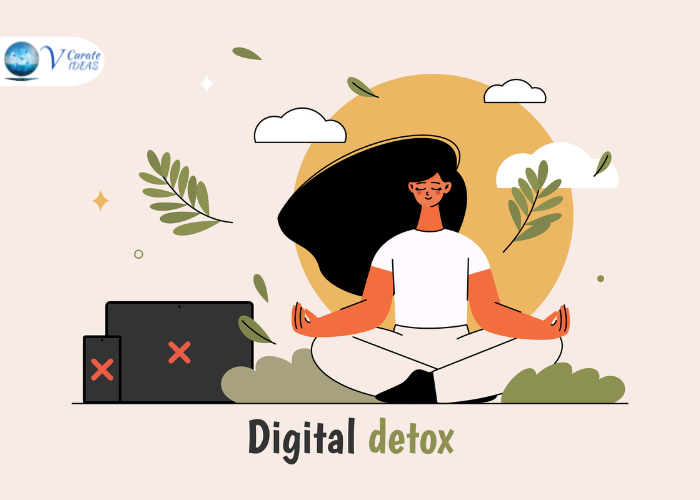
For years, being constantly available online was seen as normal. Quick replies, endless scrolling, and staying updated with every notification became part of everyday life. But a growing number of young people are beginning to question whether being connected all the time is actually improving their lives. Across conversations about wellness and lifestyle, one trend is becoming impossible to ignore: digital boundaries are becoming an important part of Gen Z mental health.
Unlike previous generations that experienced technology as something new, Gen Z grew up surrounded by smartphones, social platforms, and instant communication. Being online has always been part of their world. However, spending years connected to digital spaces has also created a stronger awareness of how online habits affect emotions, focus, and confidence. Many young adults are now asking a simple question: how can technology support life instead of controlling it?
The rise of healthy screen habits is not about completely leaving social media behind. For many people, online platforms provide friendships, entertainment, learning opportunities, and creative inspiration. The goal is not to disappear from the digital world but to create a healthier relationship with it. This can mean turning off unnecessary notifications, taking intentional breaks, unfollowing accounts that create stress, or creating specific times for checking messages.
One reason digital wellness has become such a popular conversation is because people are becoming more aware of comparison culture. Social media often shows carefully selected moments rather than complete realities. Constant exposure to achievements, lifestyles, and opinions can sometimes create pressure to keep up. Setting boundaries helps people remember that online content represents only a small part of someone’s life.
Another important shift is the growing popularity of intentional online experiences. Instead of following hundreds of accounts, some people are choosing smaller communities that provide meaningful conversations. Instead of spending hours consuming random content, they are choosing activities that inspire creativity, learning, or connection. This movement shows that the future of technology may not be about spending more time online, but about making that time more valuable.
Mental health conversations among Gen Z have also changed the way people view rest. Taking a break from notifications or stepping away from social platforms is no longer considered being disconnected. Many people see it as a form of self respect. A quiet evening without constant updates can create space for reading, exercising, spending time with friends, or simply enjoying moments without documenting them.
Brands and digital platforms are noticing this change as well. Features like screen time reminders, notification controls, and privacy settings are becoming more common because users want more control over their online experiences. The demand for balance suggests that future digital products will need to consider emotional wellbeing alongside convenience.
The idea of online balance may become one of the most important lifestyle conversations for the next generation. Technology is not disappearing, and neither are online communities. Instead, people are learning how to use digital spaces in ways that protect their energy, attention, and personal wellbeing.
For many Gen Z individuals, success is no longer about being available every second. It is about creating a life where technology fits into their goals rather than taking control of them.
Do you think setting digital boundaries is becoming necessary for a healthier modern lifestyle, or is constant online connection simply part of the future?

Why quality sleep is becoming the ultimate productivity trend

Build skills that keep your career ahead in an AI driven world

Discover why personal style is replacing fast fashion as the new trend for confident everyday choices

Explore subscription fatigue streaming apps costs and how digital habits are shifting online today

Elon Musk is famous for being an environmental entrepreneur and businessman. Let's take a survey to know why is he so famous :)

This survey is aimed at knowing the way social media is affecting our youth in both positive and negative ways.
© Copyright 2019 - 2026, All Rights Reserved







Participant Comments