The Gen Z Skills That Will Matter Most in 2026
AI is changing how people work, but that does not mean every valuable career skill is technical.

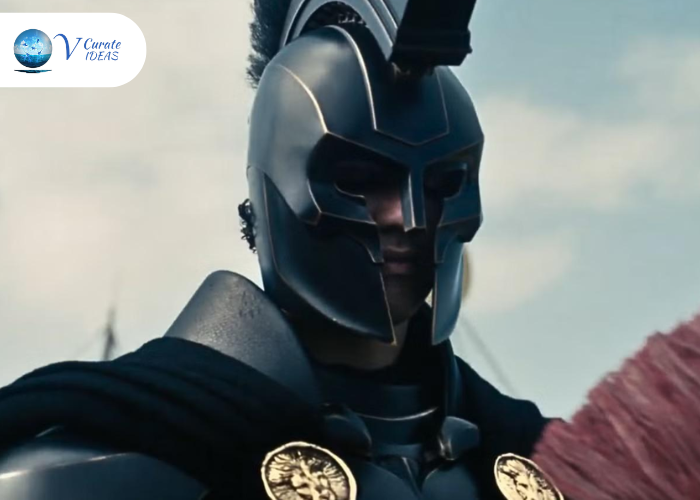
The Odyssey (2026) directed by Christopher Nolan is one of the most ambitious epic films of modern cinema, turning Homer’s ancient myth into a powerful mix of psychological drama, survival story, and visual spectacle. This is not just a retelling of a classic tale it feels like a complete reimagining of what mythology can look like on the big screen. From the beginning, the film follows Odysseus on his long journey back home after war, but Nolan doesn’t present it as a simple adventure. Instead, it becomes a deeply layered story about trauma, memory, identity, and time. Every challenge Odysseus faces feels symbolic, representing not just physical danger but also his inner emotional struggle. The idea of “home” becomes more complex as the journey continues, making the story emotionally heavy and thought-provoking.
What stands out immediately is the cinematic scale and IMAX visuals. The sea feels endless, unpredictable, and almost alive, creating a constant sense of tension. The use of practical effects and realistic set design makes every scene feel grounded, even when the story enters mythological territory. This balance between realism and myth is what gives the film its unique identity. The storytelling style is classic Nolan complex but purposeful. The narrative is not linear in some parts, which may challenge casual viewers, but it rewards attention. The film constantly shifts between physical journey and psychological reflection, making it more of a mind-driven epic rather than a straightforward action adventure.
Character development is another strong point. Odysseus is not shown as a perfect hero but as a broken man shaped by war and loss. His emotional state plays a huge role in how the story unfolds. The supporting characters also represent different human emotions like loyalty, temptation, fear, and hope, adding more depth to the narrative. One of the strongest elements of The Odyssey is its thematic depth. It explores what happens when a person changes so much through hardship that their original life may no longer exist. The film raises powerful questions about whether returning home truly means returning to the same life, or if everything has already changed forever. These ideas make it more than just a mythological film it becomes a reflection on human experience, survival, and identity.
The pacing is deliberately slow in some sections, focusing on atmosphere and emotion rather than constant action. While this may not appeal to viewers expecting non-stop adventure, it strengthens the emotional weight of the story. The soundtrack and sound design also play a major role, creating a sense of isolation and tension throughout the journey. Overall, The Odyssey (2026) is a bold cinematic masterpiece that blends mythology, science of storytelling, and emotional depth. It is not a light entertainment film it is a serious epic drama that demands attention and interpretation. For viewers who enjoy Christopher Nolan films, psychological storytelling, and large-scale epic cinema, this is one of the most important releases of the year and a strong example of modern story-driven filmmaking.

AI is changing how people work, but that does not mean every valuable career skill is technical.

Here’s what still works, what is overcrowded, and how to build something people will actually pay for.

Learn what Gen Z values in relationships, from communication and trust to emotional growth and healthy connections.

Discover how the creator economy is helping Gen Z build meaningful careers through creativity and innovation.

Discover the Top 100 Gen Z startups transforming technology, careers, wellness, and the future today.
© Copyright 2019 - 2026, All Rights Reserved