Entrepreneurship Is No Longer One Size Fits All
The New Creator Economy Is Rewriting Entrepreneurship and Gen Z Is Leading the Shift

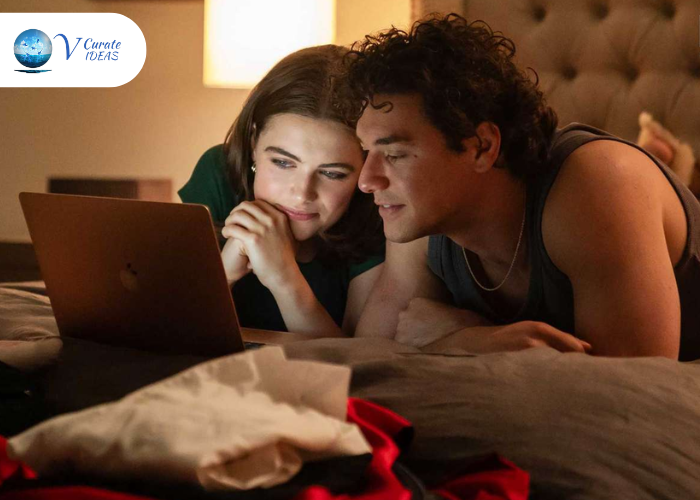
If there’s one thing the Off Campus series does dangerously well, it’s turning emotionally unavailable hockey players into full-blown heartbreak machines you somehow can’t stop rooting for. This isn’t a calm college romance. It’s messy, addictive, spicy in an emotional way, and packed with characters who feel like walking chaos wrapped in varsity jackets.
Let’s start with Garrett Graham. He’s the classic golden boy of Briar hockey. Confident, arrogant, always in control, and convinced he can charm his way out of anything. Then he meets Hannah Wells, and suddenly the control slips. Hannah is not the type to fall for pretty lies or smooth talk. She’s focused, guarded, and carrying her own emotional weight. Their story starts with convenience but quickly turns into something way more dangerous. The chemistry between them is slow burn perfection. Every argument feels like tension building instead of conflict, and every reconciliation feels earned. Garrett slowly transforms from “I don’t do relationships” to someone completely obsessed, and Hannah becomes the only person who can actually shut him up.
Then there is Logan Parrish, the definition of emotional damage in a hockey jersey. Logan is intense, broody, and emotionally stuck in a loop of self-destruction. Enter Grace Ivers, who is soft on the outside but far from weak. She sees through Logan’s walls almost immediately, which is exactly what scares him. Their relationship is not cute or easy. It is full of emotional push and pull, late-night conversations, and moments where Logan literally does not know how to handle feelings that are not anger or avoidance. Grace becomes his calm, but not in a “fix him” way. More like she forces him to face himself whether he likes it or not.
Now Dean Di Laurentis is where things get even more chaotic. He is loud, flirtatious, reckless, and lives like consequences are optional. Then comes Allie Hayes, who is tired of bad decisions and emotional messes. Their story starts in pure impulse energy, but what makes it addictive is how quickly it turns complicated. Dean is used to being the funny guy who never takes anything seriously until Allie becomes the one person he actually starts caring about. Allie, on the other hand, keeps trying to convince herself it meant nothing, even when everything about their connection says otherwise. Their dynamic is spicy in a chaotic, “we should not be doing this but we are anyway” kind of way.
And finally Nate Hawkins with Sabrina James, arguably the most emotionally complex pairing. Nate is steady, loyal, and quietly intense. Sabrina is ambitious, controlled, and emotionally guarded because vulnerability is not an option for her. Their relationship is not loud like the others. It is slow, heavy, and filled with decisions that actually matter beyond romance. The tension here is less about arguments and more about timing, life pressure, and fear of losing control over their futures.
What makes Off Campus so addictive is not just romance, but the emotional volatility. These characters do not fall in love gently. They crash into it. Every couple has that “we are a disaster but I want you anyway” energy. The hockey backdrop adds testosterone-fueled chaos, but underneath it is a surprisingly emotional story about fear, trust, and letting someone see the worst parts of you.
It is spicy not just in romance, but in emotions that feel too real, too intense, and sometimes too messy to ignore. And that is exactly why it sticks.
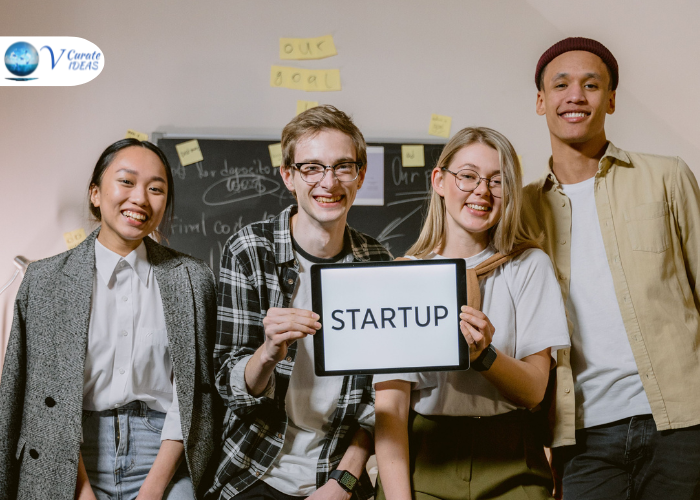
The New Creator Economy Is Rewriting Entrepreneurship and Gen Z Is Leading the Shift

Learn why instant validation feels addictive and how to build lasting confidence

How Sabrina Carpenter Turned Authenticity Into Her Biggest Career Advantage

Explore the benefits, limits, and future of learning. What Gen Z Really Needs to Know

Learn how to identify fake news, deepfakes, and AI misinformation in 2026 with practical fact checking and digital literacy skills.
© Copyright 2019 - 2026, All Rights Reserved