How to Spot Fake News and Deepfakes in 2026
Learn how to identify fake news, deepfakes, and AI misinformation in 2026 with practical fact checking and digital literacy skills.

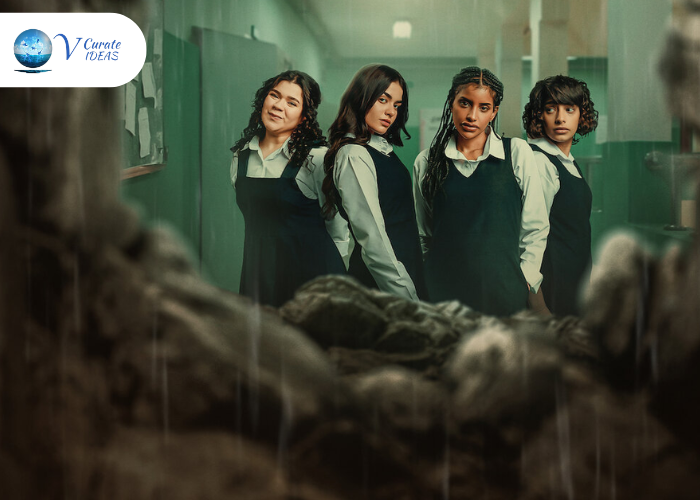
From the Ashes: The Pit is a survival drama that feels simple on the surface but becomes emotionally heavy as it progresses. It takes a very minimal setting and turns it into something intense, personal, and deeply human. The entire story revolves around three schoolgirls trapped inside an underground pit during a violent storm, and what starts as a physical survival situation slowly transforms into a psychological and emotional struggle.
The opening of the film is quiet and grounded. There is no exaggerated buildup or unrealistic action. Instead, the accident happens suddenly, and the characters are immediately forced into a situation where escape is uncertain and time becomes their biggest enemy. From that moment onward, the film keeps its focus tightly locked inside the pit, creating a strong sense of isolation that never really fades.
One of the strongest aspects of the movie is its atmosphere and tension building. The pit is not just a location but almost feels like a living space of fear. It is dark, cramped, and constantly uncomfortable. The storm above adds another layer of pressure, with sound design that includes wind, distant thunder, and falling debris. These small details make the environment feel realistic and oppressive at the same time.
Berlin & The Lady with an Ermine Review
The performances by Adwa Fahad, Darin AlBayed, and Aseel Morya are central to the emotional impact of the film. Each character represents a different emotional response to crisis. One character tries to stay in control and act as a leader, another struggles with panic and emotional instability, and the third remains quiet but observant, slowly revealing inner strength as the situation worsens. Their interactions feel natural and unforced, which helps the story feel more believable.
As the film continues, it becomes less about physical survival and more about human behavior under pressure. The limited space forces the characters to confront each other in ways they normally would avoid. Hidden emotions begin to surface, including fear, regret, frustration, and insecurity. The film handles these emotional shifts in a subtle way, relying on dialogue, silence, and expression rather than dramatic storytelling.
Another important strength is the way the movie explores teenage emotional conflict in extreme conditions. These are not characters who suddenly become perfect or heroic. Instead, they feel realistic, with flaws and vulnerabilities that become more visible as stress increases. The film shows how survival situations can expose personal weaknesses as much as they reveal strength.
The direction focuses heavily on realism. The camera work stays close and personal, often emphasizing facial expressions, body language, and the physical discomfort of the environment. The sound design plays a major role in building tension, with silence often being just as powerful as noise. This approach creates a constant sense of unease that builds gradually rather than relying on sudden shocks.
The pacing is deliberately slow in several parts of the film. While some survival stories focus on fast action, this film chooses to show the waiting, the exhaustion, and the emotional strain of being trapped. This makes the experience feel more grounded, although it requires patience from the viewer. The slow pacing also allows the emotional development between the characters to feel more natural and believable.
There are a few weaker elements in the film. Some supporting characters outside the pit are not given enough depth, which makes their role in the larger story feel limited. A few moments near the ending also feel slightly convenient in how they resolve tension. However, these issues do not take away from the overall impact of the film.
What stands out most about From the Ashes: The Pit is its emotional honesty. It is not trying to be a typical survival thriller filled with constant action. Instead, it focuses on fear, isolation, friendship, and emotional breakdown under pressure. The film uses its limited setting as a strength, turning confinement into a powerful storytelling tool. The final impression it leaves is quiet but strong. It stays in memory because of its mood, its performances, and its focus on human emotion rather than spectacle.

Learn how to identify fake news, deepfakes, and AI misinformation in 2026 with practical fact checking and digital literacy skills.

AI-designed meals are reshaping how we eat, offering personalized nutrition plans powered by data, health tracking, and smart algorithms.

From a shy teen in California to a global YouTube icon, Emma Chamberlain changed internet culture with her raw, relatable content and unique style.

Surya Midha’s Mercor is reshaping hiring with AI-driven recruitment, faster matching, and future workforce automation.

A real Gen Z guide to using AI tools for income, productivity, and digital side hustles in 2026.
© Copyright 2019 - 2026, All Rights Reserved