Why Personal Style Is Winning Over Fast Fashion Trends Today
Discover why personal style is replacing fast fashion as the new trend for confident everyday choices

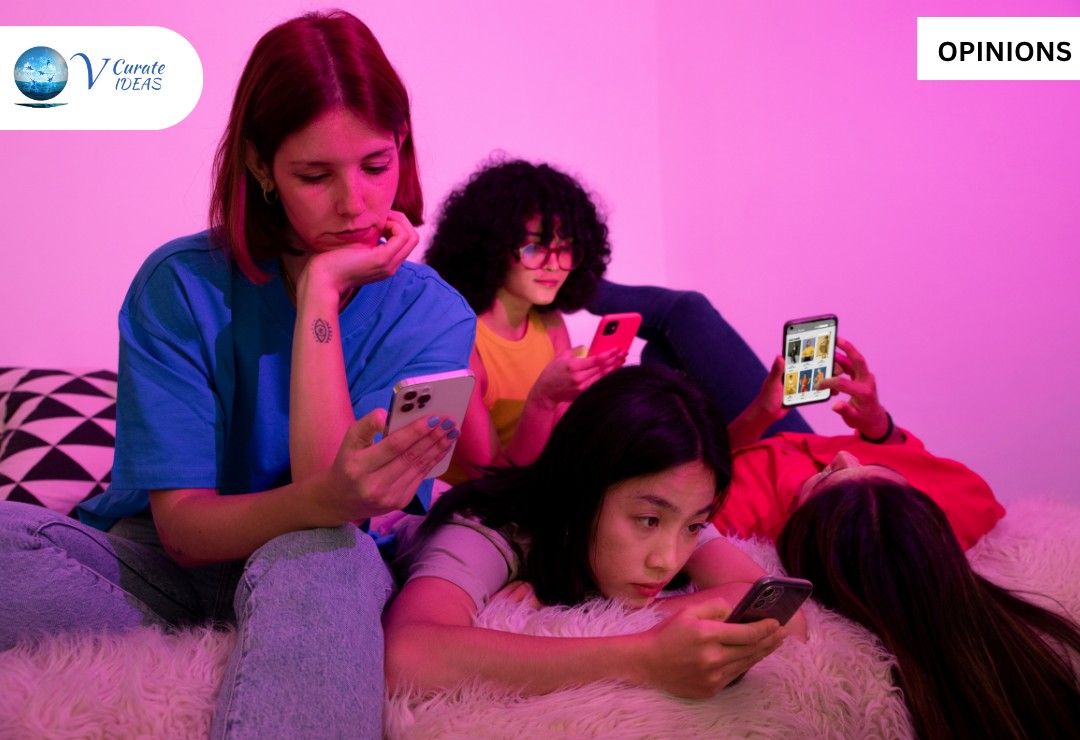
In today’s digital era, the idea that we fully control our thoughts, tastes, and beliefs is becoming less realistic. The growing influence of social media algorithms has quietly changed the way we consume information and, more importantly, the way we think. What starts as a simple content feed slowly turns into a powerful system that can shape identity, personality, and worldview. Every click, watch, pause, and like sends signals to platforms like TikTok, Instagram, and YouTube. These platforms don’t just respond to our behavior they learn from it and start predicting it. This is where the power of algorithm-driven content begins. Over time, the feed becomes highly personalized, showing us more of what keeps us engaged, even if it subtly limits what we are exposed to.
At first, this personalization feels convenient. We see content we enjoy, agree with, or relate to. But gradually, it creates a controlled environment where repetition becomes reality. The more we consume similar content, the more our brain starts to accept it as normal. This is how digital influence on personality begins without direct awareness. One of the most significant effects is the creation of echo chambers. When users are repeatedly shown similar opinions, lifestyles, and narratives, they begin to believe that these views are dominant everywhere. This reduces exposure to opposing perspectives and narrows the understanding of complex issues. Over time, it can quietly shape belief systems and opinions without conscious choice.
For Gen Z, this impact is even deeper. Growing up in a world dominated by short-form content and algorithmic feeds means identity is often built through trends. What is viral becomes what is valuable. What is popular becomes what is “normal.” This creates a situation where digital identity formation is heavily influenced by what the algorithm promotes rather than personal exploration. There is also an emotional layer to this influence. Algorithms are designed to maximize attention, not emotional balance. Content that triggers comparison, urgency, or strong reactions often spreads faster. This can contribute to mental fatigue, anxiety, and constant comparison culture, especially among younger users who are still forming self-image.
However, it is important to understand that algorithms are not entirely negative. They also enable discovery. Many users find educational content, creative inspiration, communities, and opportunities they would otherwise never encounter. The same system that can limit perspective can also expand it. The real concern lies in unconscious consumption. Most users do not actively question why they are seeing certain content. They assume it is natural, not engineered. But in reality, algorithmic systems shape attention patterns, and attention shapes thought.
The solution begins with awareness. When users understand how social media algorithms influence behavior, they can start making intentional choices following diverse voices, limiting passive scrolling, and questioning repeated narratives. Ultimately, the algorithm does not define us completely, but it strongly influences the version of ourselves we see online. The challenge for modern digital society is not escaping algorithms, but learning how to exist within them without losing individuality.

Discover why personal style is replacing fast fashion as the new trend for confident everyday choices

Explore subscription fatigue streaming apps costs and how digital habits are shifting online today

Elon Musk is famous for being an environmental entrepreneur and businessman. Let's take a survey to know why is he so famous :)

This survey is aimed at knowing the way social media is affecting our youth in both positive and negative ways.

Gen Z fashion increasingly seems less interested in looking expensive

Gen Z talks about money more openly than previous generations.
© Copyright 2019 - 2026, All Rights Reserved