Sleep Reset Culture
Why quality sleep is becoming the ultimate productivity trend


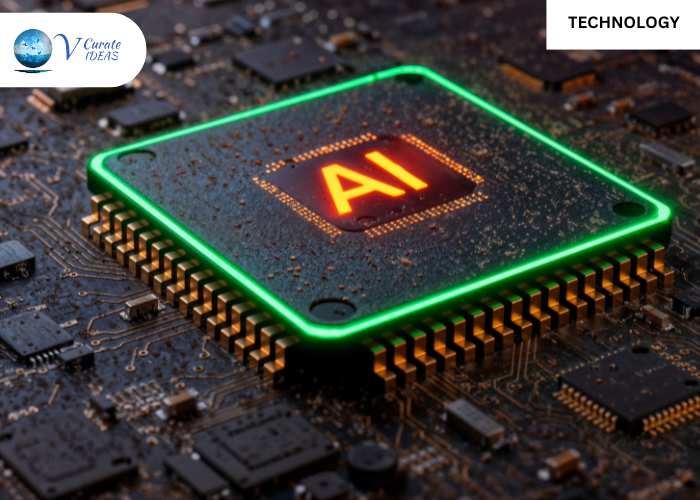
Meta has announced a new internal initiative to monitor employees’ keystrokes and mouse activity as part of its push to advance artificial intelligence development. The move, revealed to staff earlier this week, is aimed at gathering real-world data to improve how AI systems understand and perform everyday computer-based tasks. The tool, known as the Model Capability Initiative (MCI), will operate on company-issued devices and internal applications, recording how employees interact with software. According to Meta, the collected data will be used exclusively to train AI models designed to assist users in completing routine digital tasks more efficiently.
A company spokesperson stated that realistic user behavior is essential for building effective AI agents. “If we’re building systems to help people navigate everyday workflows, our models need accurate examples of how those tasks are performed,” the spokesperson said, adding that safeguards are in place to protect sensitive information. Despite these assurances, the decision has raised concerns among employees. Some workers, speaking anonymously, described the tracking as intrusive and unsettling, particularly in the context of ongoing restructuring and job cuts. One employee referred to the initiative as “very dystopian,” while another criticized what they see as an increasing obsession with AI within the company.
Meta has already laid off approximately 2,000 employees in 2026 and implemented a partial hiring freeze. Job listings have dropped significantly in recent months, fueling speculation about further workforce reductions. The company has not publicly commented on future layoffs. The initiative aligns with CEO Mark Zuckerberg’s broader strategy to position Meta as a leader in artificial intelligence. The company plans to invest around $140 billion in AI development in 2026, nearly doubling its previous spending. Recent efforts include a major investment in Scale AI and the launch of new projects under its Meta Superintelligence Labs division.
One of the lab’s first major outputs, the AI model Muse Spark, signals the company’s ambition to build more advanced and autonomous systems. With the addition of employee-generated data, Meta aims to accelerate the development of tools capable of performing complex tasks with minimal human input. Earlier this year, Zuckerberg predicted that 2026 would mark a turning point for AI in the workplace, noting that projects once requiring large teams could soon be handled by a single highly skilled individual. While Meta frames the new tracking system as a step toward innovation, critics argue it highlights growing tensions between technological advancement and employee privacy.

Why quality sleep is becoming the ultimate productivity trend

Build skills that keep your career ahead in an AI driven world

The Rise of Self-Care: A Blessing or a Curse? The Line Between Self-Care and Self-Absorption

Modern travel is becoming more about social media validation, aesthetic content, and posting moments than truly living them.

YouTube is more competitive than ever, but small creators can still grow with strategy, consistency, and niche content.

Smoking and vaping debate exploring health risks, personal freedom, addiction concerns, and whether a full ban is justified.
© Copyright 2019 - 2026, All Rights Reserved