Sleep Reset Culture
Why quality sleep is becoming the ultimate productivity trend

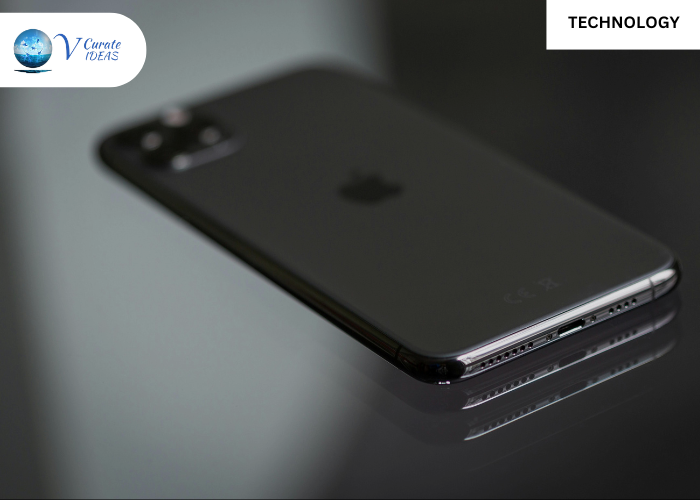
Apple has agreed to a proposed $250 million class action settlement after facing accusations that it misled customers about the availability of its highly promoted Apple Intelligence and upgraded AI-powered Siri features tied to the launch of the iPhone 16 series. The lawsuit claims millions of consumers purchased new iPhones believing advanced AI capabilities would be available immediately, only to discover many of the features were delayed, incomplete, or entirely unavailable at launch.
The settlement, which still requires court approval, could allow eligible users in the United States to receive compensation ranging from $25 to potentially $95 per device, depending on the total number of approved claims filed. The controversy centers around Apple’s massive AI push during its 2024 developer conference, where the company introduced Apple Intelligence, a suite of artificial intelligence tools integrated into iPhones, iPads, and Macs. During the presentation, Apple heavily promoted a “more personal Siri,” capable of understanding context, handling advanced requests, summarizing information, and integrating deeply with apps and daily tasks.
At the time, Apple marketed the iPhone 16 Pro and the broader iPhone 16 lineup as devices “built for Apple Intelligence,” creating widespread consumer expectations that these AI features would be ready when the phones launched in September 2024. However, according to the lawsuit, many of the most anticipated capabilities especially the upgraded Siri experience were either unavailable or significantly limited when customers received their devices. Plaintiffs argued Apple’s advertising campaign gave consumers the impression that the technology already existed in a usable form, influencing purchasing decisions.
The legal complaint stated Apple created a “clear and reasonable consumer expectation” that advanced AI functionality would be part of the iPhone experience from day one. Instead, users reportedly received only a partial rollout of features, while Apple gradually introduced tools over several software updates. The lawsuit specifically focused on Apple’s promotion of Siri enhancements. Consumers alleged Apple showcased an assistant capable of handling deeply personalized requests and contextual awareness, but those features were absent at release. Critics argued Apple used future promises as a marketing tool to boost iPhone sales during an increasingly competitive AI race in the tech industry.
The case was originally filed in 2025 by California resident Peter Landsheft and later expanded with additional plaintiffs. The complaint accused Apple of convincing consumers to spend hundreds or even thousands of dollars on premium iPhones partly because of AI features that did not yet exist in the advertised form. Apple denied all allegations and maintained that it has continuously delivered Apple Intelligence features through updates. In statements shared with media outlets, the company emphasized that users already have access to numerous AI-powered tools, including Genmoji, Image Playground, Writing Tools, Visual Intelligence, and live translation features.
Apple stated the settlement does not represent an admission of wrongdoing. Instead, the company said it chose to resolve the matter to remain focused on innovation and customer experience. According to Apple spokesperson Marni Goldberg, the company has introduced “dozens of features across many languages” since the launch of Apple Intelligence and plans to continue expanding the platform in future updates. The settlement applies to U.S. consumers who purchased eligible devices between June 10, 2024 and March 29, 2025. The list of qualifying devices includes:
If approved, eligible customers will likely need to submit a claim through a settlement website expected to launch soon. The exact payment amount may vary depending on how many valid claims are submitted. Initial estimates suggest a base payment of around $25 per device, though that figure could rise if fewer people file claims. The lawsuit also increased pressure on Apple during a critical period for the company’s AI strategy. Many analysts believe Apple entered the generative AI race later than competitors like Google, Microsoft, and OpenAI, leading to unusually aggressive marketing around Apple Intelligence.
In recent months, Apple has slowly expanded AI integration across its ecosystem. Features like ChatGPT integration inside Siri, AI writing assistance, image generation tools, and cleanup editing in photos have gradually rolled out through iOS updates. Still, the company’s fully rebuilt Siri assistant remains delayed, with reports suggesting the complete version may not arrive until later in 2026. The case also attracted attention from advertising watchdogs. In April 2025, the National Advertising Division recommended Apple modify or discontinue some “available now” claims connected to Apple Intelligence promotions. Apple later removed an advertisement featuring Bella Ramsey demonstrating the AI-enhanced Siri experience.
For many consumers, the lawsuit reflects growing frustration across the tech industry over companies announcing ambitious AI products before they are fully ready. As competition around generative AI intensifies, tech firms are increasingly balancing marketing hype with real-world delivery timelines. The settlement hearing is expected to take place in June 2026. If approved by the court, claim instructions and official payout details will likely become publicly available shortly afterward.

Why quality sleep is becoming the ultimate productivity trend

Build skills that keep your career ahead in an AI driven world

The Rise of Self-Care: A Blessing or a Curse? The Line Between Self-Care and Self-Absorption

Modern travel is becoming more about social media validation, aesthetic content, and posting moments than truly living them.

YouTube is more competitive than ever, but small creators can still grow with strategy, consistency, and niche content.

Smoking and vaping debate exploring health risks, personal freedom, addiction concerns, and whether a full ban is justified.
© Copyright 2019 - 2026, All Rights Reserved