Sleep Reset Culture
Why quality sleep is becoming the ultimate productivity trend

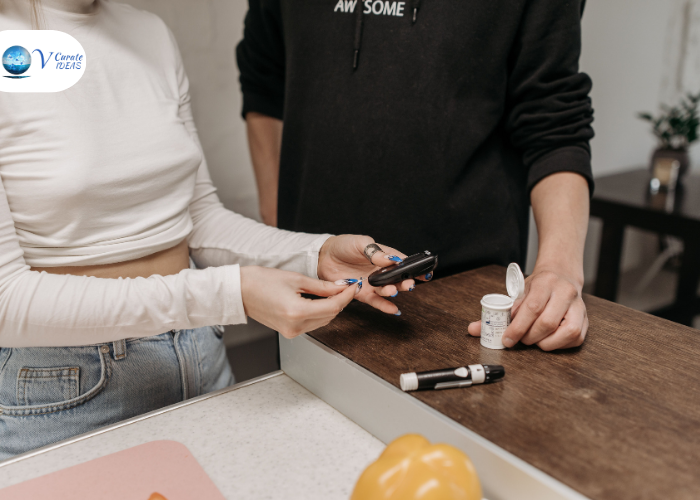
A clinical trial involving younger adults with early-onset type 2 diabetes has reported promising results after testing an intensive combination of a low-energy diet and structured exercise. Published in The Lancet Regional Health – Americas, the research found that 54% of participants assigned to the lifestyle intervention achieved diabetes remission after 24 weeks, compared with approximately 4% of those receiving standard care.
The study involved 96 adults from research centres in the United Kingdom and Canada. Participants were between 18 and 45 years old, had obesity and early-onset type 2 diabetes, and were not receiving insulin therapy.
Researchers divided the participants into two groups. Fifty people were assigned to the intensive diet and exercise programme, while 46 received usual medical care.
The intervention was designed to combine weight management with physical activity rather than relying on dietary changes alone.
During the first 12 weeks, participants in the intervention group followed a low-energy diet providing approximately 800 to 900 calories per day. The initial two weeks involved specially formulated meal-replacement products. During the following ten weeks, participants were allowed one conventional meal daily alongside the prescribed nutritional programme.
The exercise component included supervised aerobic and resistance training twice a week, together with an additional independent exercise session each week.
After the initial 12 weeks, participants moved towards maintaining their weight loss through a healthier eating plan while continuing physical activity for another 12 weeks.
At the end of the 24-week period, 27 of the 50 participants in the intervention group had achieved remission. This represented 54% of that group. In comparison, two of the 46 participants receiving usual care achieved the same outcome.
For the study, remission was defined as an HbA1c level below 6.5% without glucose-lowering medication for at least 12 weeks. HbA1c is a blood test used to measure average blood sugar levels over approximately three months.
Researchers also reported improvements in weight, physical fitness, muscle quality and aspects of cardiovascular health. The intervention group lost an average of 7.5 kilograms more than the standard-care group after statistical adjustment.
However, the findings should be interpreted carefully. Diabetes remission does not mean that the condition has been permanently cured. Blood sugar levels can rise again, and continued monitoring remains important.
The programme was intensive and medically supervised. Medication adjustments were made under the study protocol, and participants experienced side effects including constipation, headaches, dizziness and fatigue. No severe adverse events were reported.
The researchers emphasised that further investigation is needed to understand whether the benefits can be maintained over longer periods and how the programme could be implemented in everyday healthcare settings.
The findings provide encouraging evidence that structured lifestyle interventions may help some younger adults with early-onset type 2 diabetes achieve remission.
However, the programme should not be attempted independently. Anyone considering significant dietary changes or changes to diabetes medication should consult qualified healthcare professionals.

Why quality sleep is becoming the ultimate productivity trend

Build skills that keep your career ahead in an AI driven world

The Rise of Self-Care: A Blessing or a Curse? The Line Between Self-Care and Self-Absorption

Modern travel is becoming more about social media validation, aesthetic content, and posting moments than truly living them.

YouTube is more competitive than ever, but small creators can still grow with strategy, consistency, and niche content.

Smoking and vaping debate exploring health risks, personal freedom, addiction concerns, and whether a full ban is justified.
© Copyright 2019 - 2026, All Rights Reserved