Sleep Reset Culture
Why quality sleep is becoming the ultimate productivity trend

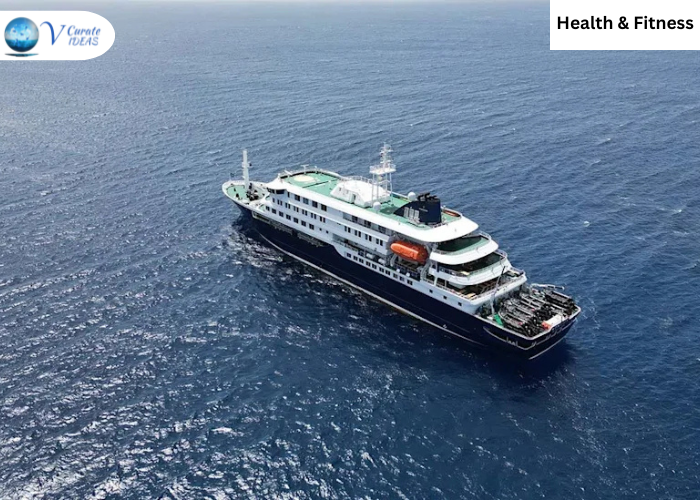
A group of passengers from a cruise ship that was previously affected by a serious viral outbreak has been transported back to North America for monitoring, isolation, and medical evaluation. The coordinated response involves health authorities in the United States and Canada, as officials work to manage potential exposure to a rare but serious illness known as hantavirus infection.
The situation began after passengers aboard the MV Hondius were exposed to the virus while the ship was docked in Spain’s Canary Islands. In response, international health agencies organized repatriation efforts, ensuring that those potentially exposed could return home under controlled conditions rather than remain aboard the vessel. The goal, according to officials, is to minimize any risk of community transmission while closely observing the health of each passenger.
A group of eighteen American citizens and one British national residing in the United States were flown home on a government chartered aircraft. Upon arrival, they were directed to specialized facilities designed for handling highly sensitive infectious disease cases. Most of the passengers are being evaluated at the University of Nebraska Medical Center, which houses a federally designated quarantine and treatment unit for emerging pathogens.
Two individuals showing early symptoms or higher risk factors were separated and transported to a specialized isolation facility at Emory University in Atlanta. According to U.S. health officials, this separation was done as a precautionary measure to ensure safe monitoring conditions and preserve medical capacity at Nebraska.
One passenger has tested positive for the virus, while another is experiencing mild symptoms. Health authorities emphasized that both individuals were transported using high level biocontainment protocols, reflecting the seriousness of infectious disease containment procedures.
Public health officials are currently assessing all repatriated passengers to determine their level of risk. According to guidance from the Centers for Disease Control and Prevention, exposure classification depends on whether individuals had close contact with symptomatic cases during the cruise outbreak.
Those considered low risk may be allowed to continue monitoring at home under supervision, while medium or high risk individuals will remain under medical observation. The monitoring period for potential exposure extends up to 42 days, reflecting the incubation timeline associated with hantavirus exposure monitoring.
Authorities have also clarified that transmission does not occur easily between people. The virus typically requires prolonged and direct contact with symptomatic individuals, which significantly lowers the likelihood of widespread community spread.
The University of Nebraska Medical Center quarantine unit plays a central role in the United States response. It is one of the few federally supported facilities designed specifically for high consequence infectious diseases.
The unit includes negative pressure rooms, controlled airflow systems, and strict infection prevention protocols. Despite its high security design, officials stress that the environment is not punitive. Instead, it functions more like a medical hotel where patients are monitored, supported, and evaluated regularly.
Patients in quarantine are allowed limited mobility within their rooms, access to basic comfort items, and continuous medical supervision. If any individual develops worsening symptoms, they are transferred to a higher level isolation ward within the same medical campus.
Health authorities have repeatedly emphasized that no patient poses an uncontrolled public threat once properly contained within these facilities.
Canada has also repatriated several passengers from the same cruise ship. Four individuals returned to British Columbia and are currently undergoing a structured 21 day quarantine period at a designated facility. Three additional passengers are isolating in Ontario under public health supervision.
Canadian health officials have noted that while none of the individuals currently show symptoms, precautionary isolation is necessary due to the incubation window associated with viral infection monitoring protocols. Daily health checks and extended observation may continue depending on emerging conditions.
Authorities in both countries have stated that testing alone may not be sufficient during early stages of exposure, which is why isolation remains the primary strategy for prevention.
Despite concerns, health experts continue to stress that the overall risk to the general public remains very low. Officials have distinguished this outbreak from widespread respiratory pandemics in the past, noting that hantavirus does not spread easily between people.
Public health messaging has focused heavily on preventing unnecessary panic while maintaining strict containment measures. Experts highlight that past outbreaks have been successfully managed using similar protocols involving isolation, monitoring, and contact tracing.
At present, multiple passengers from the cruise ship are being monitored across North America, including in Georgia, Texas, Virginia, Arizona, and California. Some individuals are being observed at home, while others remain in specialized quarantine facilities.
The coordinated response reflects a broader global system designed to handle rare infectious disease events in a structured and controlled way. While the situation continues to evolve, officials maintain that current containment efforts are working effectively.
The case also highlights how modern public health emergency response systems operate across borders, balancing caution with scientific assessment while avoiding unnecessary disruption to public life.
In a world still sensitive to past global health crises, this situation serves as a reminder of how quickly international travel, science, and emergency medicine must work together when unexpected outbreaks occur at sea.
As monitoring continues, authorities remain focused on ensuring safety while keeping the public informed with accurate, measured updates rather than alarm.
The central question now is not only how the situation develops medically, but how prepared global systems remain for managing rare but high risk infectious events in an increasingly connected world.

Why quality sleep is becoming the ultimate productivity trend

Build skills that keep your career ahead in an AI driven world

The Rise of Self-Care: A Blessing or a Curse? The Line Between Self-Care and Self-Absorption

Modern travel is becoming more about social media validation, aesthetic content, and posting moments than truly living them.

YouTube is more competitive than ever, but small creators can still grow with strategy, consistency, and niche content.

Smoking and vaping debate exploring health risks, personal freedom, addiction concerns, and whether a full ban is justified.
© Copyright 2019 - 2026, All Rights Reserved