Sleep Reset Culture
Why quality sleep is becoming the ultimate productivity trend


In a landmark achievement for reproductive medicine, scientists have successfully restored fertility in a man using testicular tissue that had been frozen during his childhood before undergoing cancer treatment. The breakthrough is being hailed as a major step forward for patients who face infertility as a side effect of life-saving therapies. Researchers behind the study confirmed that the preserved tissue, collected before puberty, was later used to generate viable sperm in adulthood. This marks the first time such a procedure has been successful, opening new possibilities for young cancer patients who previously had no option to preserve their fertility.
According to experts, treatments like chemotherapy can permanently damage reproductive cells, especially in boys who have not yet reached puberty and cannot store sperm. This new technique allows doctors to freeze immature tissue early and potentially restore reproductive function years later. Medical specialists say the development could transform future cancer care protocols, making fertility preservation a standard part of treatment planning. While further trials are needed, early results suggest the method could be widely applicable.
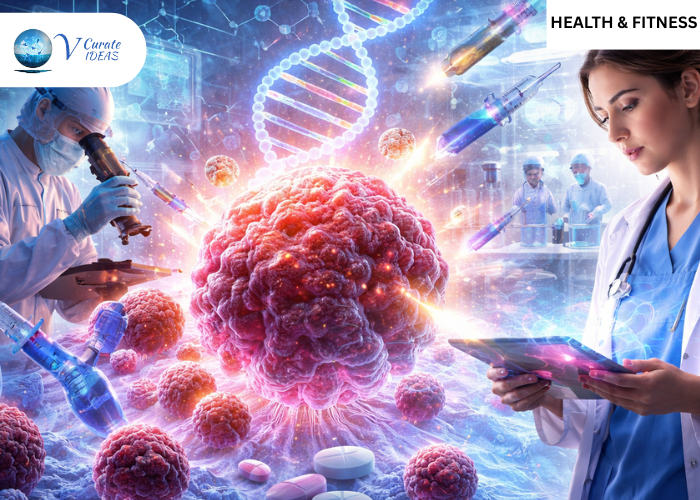
In another major health advancement, artificial intelligence is rapidly changing how medicines are developed. A biotechnology firm linked to Google DeepMind has announced that drugs designed using AI technology are now entering human clinical trials. The technology uses advanced algorithms to predict protein structures and design targeted treatments more efficiently than traditional methods. Scientists believe this could significantly reduce the time and cost required to develop new drugs, particularly for complex diseases. Experts say AI-driven drug discovery may soon become a central part of pharmaceutical research, potentially accelerating cures for conditions that have long challenged scientists.
Meanwhile, progress is also being made in the fight against Alzheimer’s Disease. New treatments, including recently developed drugs, are showing promising results in slowing cognitive decline in patients. Although not a cure, these advancements represent meaningful progress in managing the disease, offering patients and families more time and improved quality of life. Researchers emphasize that early diagnosis combined with new therapies could significantly improve outcomes.
Health experts believe these developments signal a broader shift toward more advanced, personalized, and technology-driven healthcare. From fertility restoration to AI-powered drug discovery, 2026 is shaping up to be a defining year in medical innovation. As research continues, these breakthroughs are expected to reshape treatment approaches worldwide, bringing new hope to millions of patients.

Why quality sleep is becoming the ultimate productivity trend

Build skills that keep your career ahead in an AI driven world

The Rise of Self-Care: A Blessing or a Curse? The Line Between Self-Care and Self-Absorption

Modern travel is becoming more about social media validation, aesthetic content, and posting moments than truly living them.

YouTube is more competitive than ever, but small creators can still grow with strategy, consistency, and niche content.

Smoking and vaping debate exploring health risks, personal freedom, addiction concerns, and whether a full ban is justified.
© Copyright 2019 - 2026, All Rights Reserved