Sleep Reset Culture
Why quality sleep is becoming the ultimate productivity trend

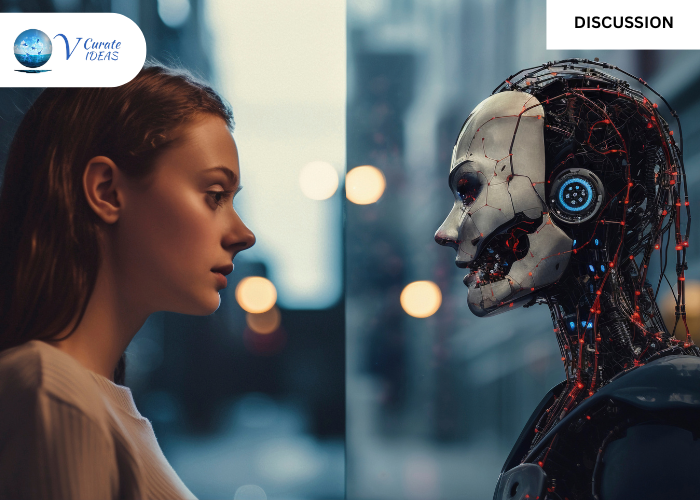
The rise of AI therapists, mental health chatbots, and artificial intelligence counseling tools is changing the way people think about mental health support. What once sounded like science fiction is now a reality. Millions of people are using AI mental health apps, therapy chatbots, and virtual assistants to discuss stress, anxiety, loneliness, and everyday challenges.
As technology becomes more advanced, an interesting question is emerging: Would you trust an AI therapist over a human therapist?
For some people, the answer is becoming increasingly complicated.
One reason AI therapy is gaining popularity is accessibility. Traditional therapy can be expensive, difficult to schedule, and unavailable in certain areas. In contrast, AI therapy apps are available 24 hours a day, seven days a week. Users can open an app at any time and immediately start a conversation. For people dealing with late-night anxiety, work stress, or emotional struggles, instant access can feel incredibly valuable.
Another advantage often mentioned is the absence of judgment. Many users report feeling more comfortable sharing personal thoughts with an AI because there is no fear of embarrassment. Discussing sensitive topics such as relationships, career uncertainty, social anxiety, or self-confidence issues can feel easier when talking to a machine rather than another person.
Supporters of artificial intelligence in mental health care also argue that AI can help bridge the growing gap between demand and availability. Around the world, mental health services are struggling to keep up with rising numbers of people seeking help. AI counseling tools may provide basic emotional support while people wait for appointments with licensed professionals.
However, critics point out that therapy is about much more than providing answers. Human therapists bring empathy, emotional intelligence, life experience, and the ability to recognize subtle emotional cues. A trained therapist can notice changes in tone, body language, facial expressions, and emotional patterns that an AI may miss.
This raises concerns about whether AI therapy can truly understand human emotions. While AI can analyze language patterns and provide responses based on vast amounts of data, it does not actually experience emotions. It cannot feel compassion, sadness, joy, or concern. Some people believe this limitation makes it impossible for AI to replace genuine human connection.
Privacy is another major topic in this debate. Users sharing personal information with AI mental health platforms often wonder how their conversations are stored, analyzed, and protected. As AI technology becomes more integrated into healthcare, questions about data security and confidentiality become increasingly important.
There is also the issue of trust. If an AI provides harmful advice, misinterprets a situation, or fails to recognize a serious mental health crisis, who is responsible? Unlike human therapists who follow professional standards and ethical guidelines, many AI systems operate in a rapidly evolving regulatory environment.
On the other hand, younger generations are becoming more comfortable with technology in nearly every aspect of life. People already use AI for education, fitness, productivity, career coaching, and personal development. For some, using an AI mental health assistant feels like a natural extension of these digital habits.
Perhaps the future is not about choosing one over the other. Instead, AI and human therapists may work together. AI could provide immediate support, daily check-ins, stress management exercises, and mental wellness guidance, while human therapists handle deeper emotional issues, trauma, diagnosis, and long-term treatment.
As mental health technology, AI counseling, digital therapy, and artificial intelligence healthcare solutions continue to evolve, society will need to decide where the line should be drawn between convenience and human connection. The debate is no longer about whether AI can participate in mental health care. It is about how much trust we should place in it and whether technology can ever truly replace the understanding that comes from another human being.
If an AI therapist was available 24/7, affordable, private, and highly advanced, would you trust it with your mental health concerns over a human therapist? Why or why not?

Why quality sleep is becoming the ultimate productivity trend

Build skills that keep your career ahead in an AI driven world

Discover why personal style is replacing fast fashion as the new trend for confident everyday choices

Explore subscription fatigue streaming apps costs and how digital habits are shifting online today

Elon Musk is famous for being an environmental entrepreneur and businessman. Let's take a survey to know why is he so famous :)

This survey is aimed at knowing the way social media is affecting our youth in both positive and negative ways.
© Copyright 2019 - 2026, All Rights Reserved






Participant Comments