Sleep Reset Culture
Why quality sleep is becoming the ultimate productivity trend


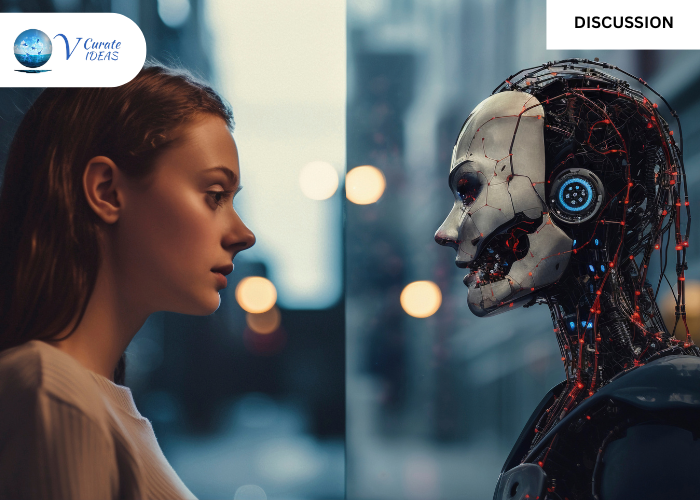
For a generation raised online, human interaction has become strangely complicated. People talk constantly through screens, send reactions within seconds, and stay connected all day, yet many still feel disconnected in real life. The rise of digital communication changed not only how people speak to each other, but also how they experience friendship, community, and everyday connection.
Simple social rituals that once felt automatic now feel unfamiliar to many people. Calling someone without texting first feels intimidating. Showing up at someone’s house unannounced feels almost impossible. Even making casual conversation with strangers in public spaces can feel awkward in a culture where most interaction happens through curated online identities.
What makes this shift interesting is that many people deeply miss these experiences while simultaneously avoiding them.
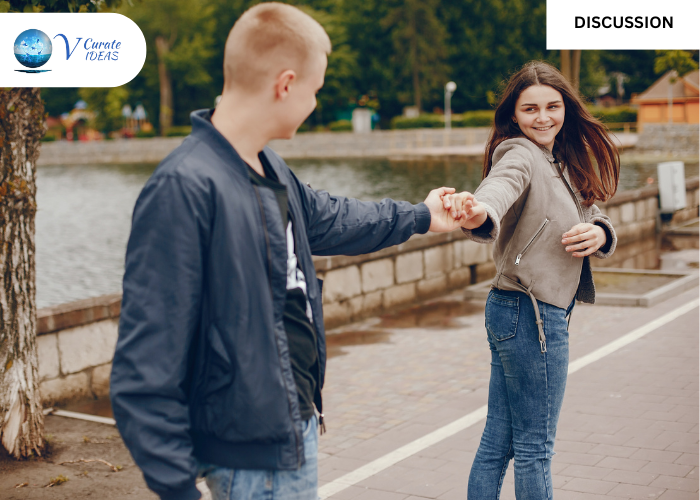
There was something emotionally grounding about older forms of connection. Hanging out without documenting everything. Eating dinner without checking notifications. Spending hours talking without multitasking online. These moments created what many now describe as real world connection, something increasingly rare in highly digital lifestyles.
Today, social interaction often feels scheduled, filtered, and performance driven. People think carefully about texts before sending them. Group chats replace in person conversations. Voice notes replace phone calls. Online presence creates the illusion of closeness while emotional distance quietly grows underneath.
This is one reason younger generations increasingly romanticize simpler social experiences. Bookstores are becoming social spaces again. Coffee shops feel comforting in ways luxury spaces sometimes do not. Small dinner gatherings, walks with friends, and offline hobbies are regaining emotional value because people crave environments where interaction feels more natural and less performative.
Even trends like disposable cameras, vinyl records, handwritten notes, and digital detox weekends reflect a larger desire for authentic social experiences. People are searching for moments that feel tangible in a world dominated by screens.
The pandemic also reshaped how many people experience human interaction. Long periods of isolation changed social confidence for countless individuals. Some became more comfortable online than offline. Others realized how important ordinary social routines actually were. Casual moments that once felt insignificant suddenly carried emotional meaning.
Now, many people exist somewhere between connection and isolation. They want community, but feel socially exhausted. They want deeper friendships, but struggle to maintain them consistently. They want authentic experiences, but live inside systems designed around convenience and speed.
This creates an interesting cultural contradiction. Society is more connected technologically than ever before, yet loneliness continues growing. Many people know hundreds of online acquaintances but still feel uncomfortable sitting in silence with others face to face.
The return of offline culture is partly a reaction to that emotional exhaustion. People are beginning to realize that not every meaningful interaction needs content, validation, or public visibility. Some moments matter more precisely because they remain private.
Real world social rituals may seem small on the surface, but they shape emotional belonging in powerful ways. Shared meals, spontaneous plans, long conversations, and physical presence create forms of connection that digital interaction still struggles to replace fully.
Technology will continue evolving, but human beings still need closeness beyond algorithms and notifications. The challenge now is learning how to balance online convenience with offline emotional reality.
Do you think modern technology brought people closer together, or quietly made real connection harder than ever?

Why quality sleep is becoming the ultimate productivity trend

Build skills that keep your career ahead in an AI driven world

Discover why personal style is replacing fast fashion as the new trend for confident everyday choices

Explore subscription fatigue streaming apps costs and how digital habits are shifting online today

Elon Musk is famous for being an environmental entrepreneur and businessman. Let's take a survey to know why is he so famous :)

This survey is aimed at knowing the way social media is affecting our youth in both positive and negative ways.
© Copyright 2019 - 2026, All Rights Reserved







Participant Comments