Mindful Digital Reset
Gen Z reclaims focus and balance through digital minimalism

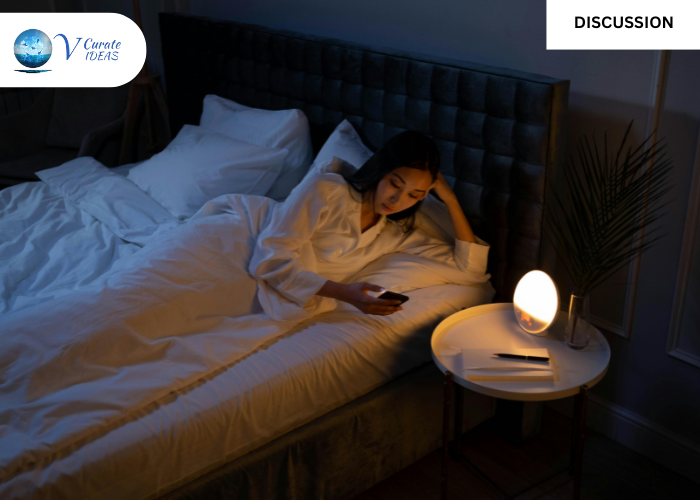
Insomnia, the persistent difficulty in falling or staying asleep, has become increasingly common in today’s fast-paced world, affecting millions of people across all age groups. Its causes are complex and multifaceted, ranging from lifestyle factors like excessive screen time, late-night work, irregular sleep schedules, and high caffeine intake, to underlying medical conditions, stress, anxiety, and even environmental factors such as noise and light pollution. The consequences of chronic insomnia extend far beyond just feeling tired; it can impair cognitive function, reduce concentration, affect mood, weaken the immune system, and increase the risk of long-term health problems like heart disease and diabetes. Many people turn to solutions such as over-the-counter sleep aids, prescription medications, or natural supplements, while others focus on behavioral approaches like meditation, sleep hygiene routines, limiting electronics before bedtime, or practicing relaxation exercises. Despite the variety of strategies available, what works for one person may not work for another, and the constant search for a “perfect night’s sleep” can itself become a source of anxiety.
What do you think?
Are sleepless nights mostly a result of modern lifestyle habits, or do some people struggle with insomnia regardless of their routines?

Gen Z reclaims focus and balance through digital minimalism

Gen Z reshapes art and business through AI

Gen Z drives ethical brands, and conscious style globally

To scale content, build income, and grow brands faster

Elon Musk is famous for being an environmental entrepreneur and businessman. Let's take a survey to know why is he so famous :)

This survey is aimed at knowing the way social media is affecting our youth in both positive and negative ways.
© Copyright 2019 - 2026, All Rights Reserved









Participant Comments