Mindful Digital Reset
Gen Z reclaims focus and balance through digital minimalism

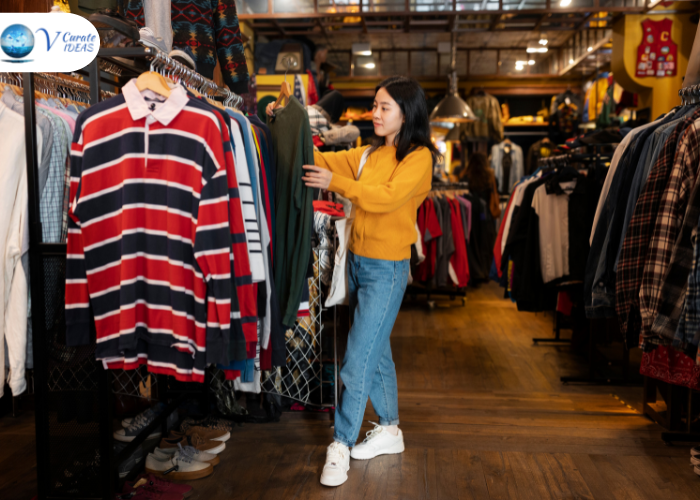
If you have noticed more conversations around sustainable fashion brands and conscious consumerism, you are witnessing one of the most powerful Gen Z driven movements of the decade. Fashion is no longer just about aesthetics. It is about values, transparency, and impact. The question is no longer what looks good, but what aligns with your ethics. This shift is transforming the global fashion industry trends 2026 conversation in ways that legacy brands did not anticipate.
Young consumers are researching before they purchase. They want to know where materials are sourced, how workers are treated, and whether a brand practices real sustainability or just clever marketing. The rise of ethical clothing brands for Gen Z reflects a generation that grew up with climate anxiety and instant access to information. Social platforms amplify both praise and accountability, making transparency non negotiable.
The demand for eco friendly streetwear is especially strong. Street fashion has always been a vehicle for identity, but now it also signals awareness. Wearing recycled fabrics or supporting brands with low carbon production is becoming part of personal storytelling. It says you care about more than trends. It shows intention. That emotional layer is driving purchasing decisions as much as design itself.
Technology is also playing a role. Innovations in sustainable textile innovation are introducing plant based leathers, biodegradable fabrics, and circular production models. Some emerging labels are using blockchain for supply chain transparency, allowing customers to trace a garment from raw material to final product. This level of openness builds trust in a market that has historically been opaque.
Thrift culture and resale platforms are equally influential. The boom in second hand fashion online is not just about affordability. It is about extending the life cycle of clothing. Vintage pieces carry stories, and Gen Z values uniqueness over mass production. Limited drops and curated resale finds feel more personal than fast fashion racks.
However, the movement is not perfect. Accessibility and price remain challenges. Many affordable sustainable fashion options still cost more than fast fashion alternatives. The long term vision is scaling production responsibly so conscious choices become mainstream rather than niche. As demand increases, economies of scale will likely make ethical production more competitive.
At its core, this is about redefining success. Brands that thrive in the coming years will not just sell products. They will build communities around shared values. Consumers want to feel connected to what they wear. They want purchases that reflect their worldview. The evolution of conscious consumer fashion trends signals a deeper cultural recalibration where style, sustainability, and identity intersect. The future of fashion is not fast. It is thoughtful, expressive, and accountable.

Gen Z reclaims focus and balance through digital minimalism

Gen Z reshapes art and business through AI

Elon Musk is famous for being an environmental entrepreneur and businessman. Let's take a survey to know why is he so famous :)

This survey is aimed at knowing the way social media is affecting our youth in both positive and negative ways.

Do you choose products for quality and style or just the brand name?

Do we spend on fashion to enhance personality, or just to keep up with others?
© Copyright 2019 - 2026, All Rights Reserved