Sleep Reset Culture
Why quality sleep is becoming the ultimate productivity trend

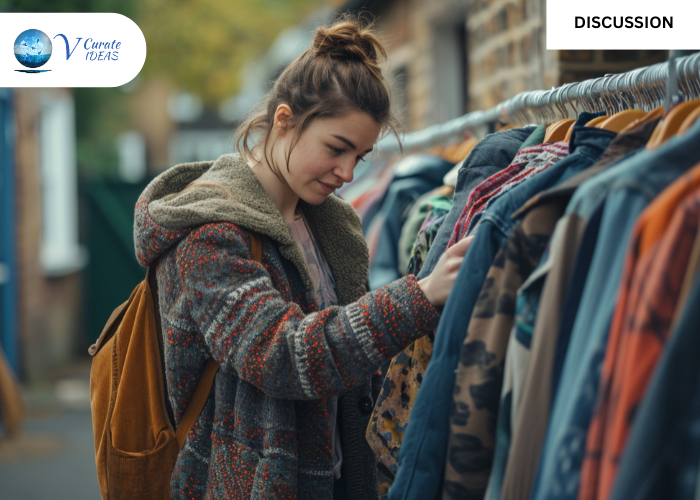
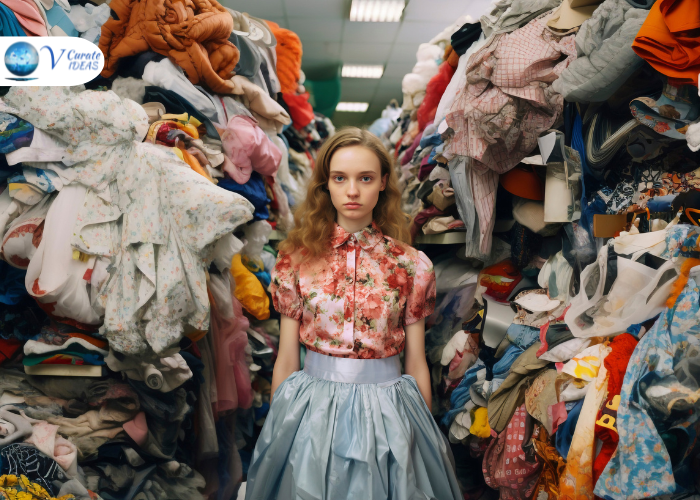
The popularity of pre-loved clothes is growing rapidly as people look for affordable, sustainable, and unique fashion options. But despite this shift, one concern continues to dominate the conversation hygiene and safety. Many people still hesitate before wearing secondhand clothing because they wonder whether it is truly clean or safe for daily use.
The biggest fear is related to germs and bacteria. Since pre-loved clothes have already been worn, some assume they may carry dirt, skin particles, or even infections. This creates a natural discomfort, especially for clothes worn close to the body. However, in reality, most of these risks are not as serious as they sound. With proper washing using detergent, hot water (when fabric allows), and sun-drying, most hygiene concerns can be effectively eliminated. In fact, new clothes from stores also pass through manufacturing, packaging, and shipping processes, which means they are not completely “clean” either until washed.
Another major concern is odor and freshness. Some secondhand clothes may carry a smell due to storage or previous use. But again, this is not permanent. A proper wash or mild disinfectant treatment usually restores freshness completely. The key lies in how carefully the buyer handles the cleaning process after purchase. Then comes the issue of quality and condition. Unlike new clothing, pre-loved fashion items vary widely. Some are barely used and still in excellent condition, while others may show visible wear like fading, loose threads, or fabric damage. This inconsistency makes people cautious. However, smart buyers often find high-quality branded items at much lower prices, making it a value-for-money option.
There is also a psychological barrier. In many places, people still associate “used” with “unsafe” or “unclean.” This mindset is slowly changing, especially with the rise of thrift stores, online resale platforms, and sustainable fashion awareness, but it still exists in many communities. Despite concerns, pre-loved clothing is becoming more normalized because of affordability and environmental awareness. It reduces waste and promotes sustainable fashion choices, which is a major global focus today.
In the end, most hygiene concerns around pre-loved clothes are manageable with proper care, but the hesitation often comes from perception rather than reality.
So the real question is: Are we avoiding pre-loved clothes because of actual hygiene risks, or just because of long-standing social mindset and perception?
Why quality sleep is becoming the ultimate productivity trend

Build skills that keep your career ahead in an AI driven world
Discover why personal style is replacing fast fashion as the new trend for confident everyday choices

Explore subscription fatigue streaming apps costs and how digital habits are shifting online today

Elon Musk is famous for being an environmental entrepreneur and businessman. Let's take a survey to know why is he so famous :)

This survey is aimed at knowing the way social media is affecting our youth in both positive and negative ways.
© Copyright 2019 - 2026, All Rights Reserved





Participant Comments