Sleep Reset Culture
Why quality sleep is becoming the ultimate productivity trend

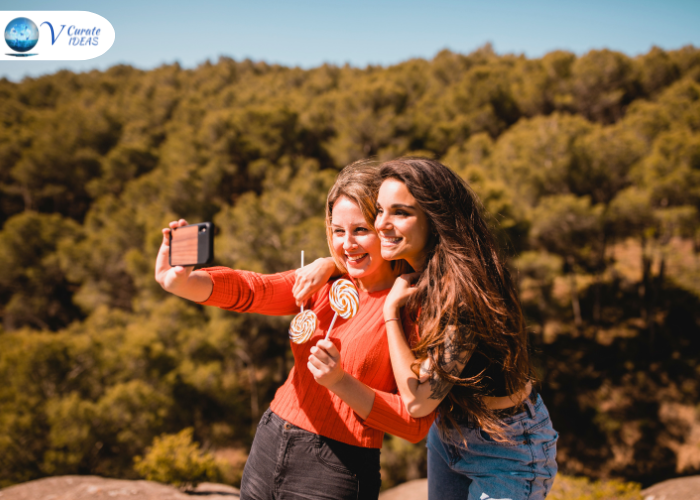
The question “are we living or just documenting” captures something subtle but deeply familiar in the way we experience life today. Moments that once existed only in memory are now instantly turned into posts, stories, and updates. The rise of digital documentation culture has changed not just how we share our lives, but how we actually live them. It is no longer unusual to reach for a phone before fully experiencing what is happening in front of us.
There is a quiet shift happening in everyday behavior. A sunset is not just a sunset anymore, it is potential content. A meal is not just food, it becomes part of a content driven lifestyle. Even small, personal moments are framed with an awareness of how they might look online. This does not mean the experience is fake, but it does suggest that the presence of an audience, even an imagined one, influences how we engage with reality.
The idea of living in the moment vs documenting has become more complicated than it sounds. For many people, capturing a moment feels like preserving it. Photos and videos act as proof that something meaningful happened. But at the same time, constantly documenting can create a layer of distance. Instead of fully absorbing an experience, part of the mind is focused on angles, lighting, and timing. The moment becomes something to manage rather than simply feel.
This is where social media and real life balance starts to blur. The intention is not always about validation, but the structure of platforms encourages visibility. Over time, this can shape habits in ways that are not always obvious. People may begin to choose experiences that are more “shareable” or visually appealing, reinforcing a cycle where life and content feed into each other. The growth of online memory vs real memory raises an important question about what we truly retain when everything is stored externally.
At the same time, it would be too simple to say documenting is harmful. There is value in capturing memories, in sharing experiences, and in feeling connected through them. The issue is not the act itself, but the balance. When every moment feels incomplete without being recorded, it can take away from the depth of the experience. The presence of a camera can subtly change behavior, turning genuine reactions into something slightly more curated.
What makes this conversation more relevant is how normalized it has become. The line between living and documenting is no longer clear, and for many, the two happen simultaneously without much thought. The question is not about choosing one over the other, but about understanding when one starts to replace the other.
So when you look back at your recent experiences, do you remember how they felt, or do you remember how they looked on screen, and at what point does documenting stop being a memory tool and start shaping the life you are trying to remember?

Why quality sleep is becoming the ultimate productivity trend

Build skills that keep your career ahead in an AI driven world

Discover why personal style is replacing fast fashion as the new trend for confident everyday choices

Explore subscription fatigue streaming apps costs and how digital habits are shifting online today

Elon Musk is famous for being an environmental entrepreneur and businessman. Let's take a survey to know why is he so famous :)

This survey is aimed at knowing the way social media is affecting our youth in both positive and negative ways.
© Copyright 2019 - 2026, All Rights Reserved




Participant Comments