Sleep Reset Culture
Why quality sleep is becoming the ultimate productivity trend

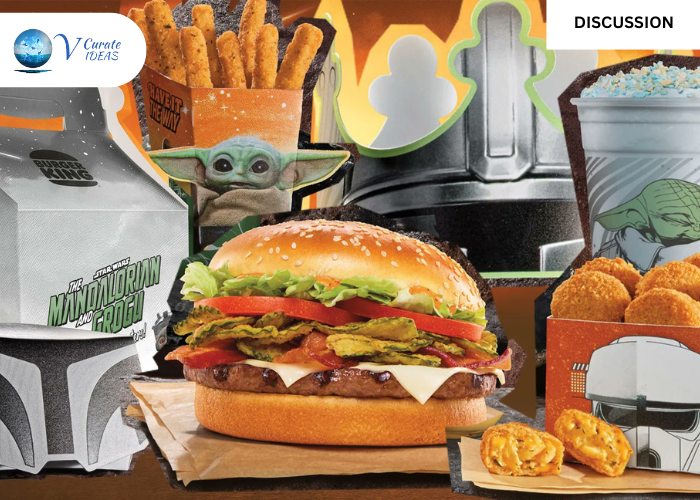
Burger King’s Star Wars themed menu is a clear example of how modern fast food marketing has shifted from selling meals to selling moments. With items like the BBQ Bounty Whopper, Grogu’s Blue Cookie Shake, and Imperial Cheddar Ranch Tots, the focus is not just on flavor but on visual identity, fandom connection, and viral appeal.
In today’s Gen Z-driven digital culture, food is no longer just consumption it is content. A burger wrapped in helmet-style packaging or a shake inspired by a beloved character is designed to be photographed, shared, and turned into a social media story. That’s why collaborations with massive franchises like Star Wars: The Mandalorian and Grogu are so powerful. They instantly activate nostalgia, fan loyalty, and global recognition without needing traditional advertising explanation.
This reflects a larger shift in the food and beverage industry, where brands are increasingly competing in the attention economy. Instead of asking “does it taste good?”, the question quietly becomes “will it go viral?” Limited-time menus, collectible cups, and themed meals are all part of a scarcity-driven marketing strategy that encourages urgency and repeat engagement.
However, this also blurs the line between authentic product innovation and engineered hype cycles. While these collaborations feel exciting, they often rely more on branding than actual culinary innovation. Once the campaign ends, the products rarely stay, which raises questions about sustainability in consumer excitement.
For Gen Z consumers, who are constantly exposed to trends, this creates a cycle of short-term hype. Today it’s Star Wars burgers, tomorrow it’s another franchise crossover. The emotional engagement is real, but often temporary. So the bigger conversation is not just about Burger King or Star Wars it’s about how food, entertainment, and digital culture are merging into one experience economy, where everything is designed to capture attention first and satisfy appetite second.
What do you think?
Are themed fast food launches like this actually creating real excitement for food, or just turning everyday meals into short-lived viral marketing moments?

Why quality sleep is becoming the ultimate productivity trend

Build skills that keep your career ahead in an AI driven world
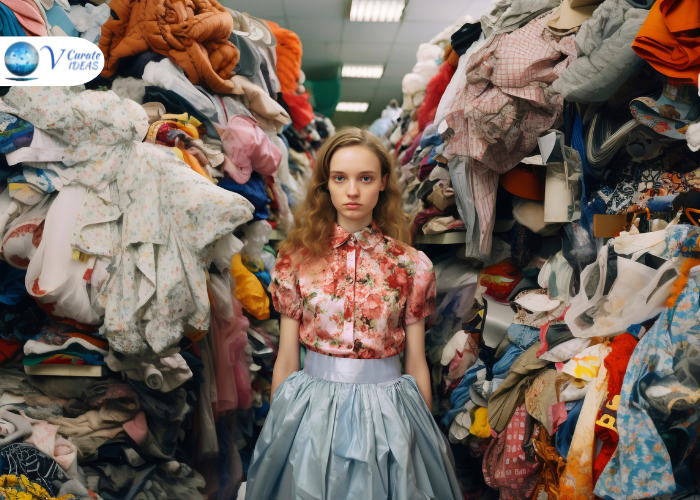
Discover why personal style is replacing fast fashion as the new trend for confident everyday choices

Explore subscription fatigue streaming apps costs and how digital habits are shifting online today

Elon Musk is famous for being an environmental entrepreneur and businessman. Let's take a survey to know why is he so famous :)

This survey is aimed at knowing the way social media is affecting our youth in both positive and negative ways.
© Copyright 2019 - 2026, All Rights Reserved








Participant Comments