Sleep Reset Culture
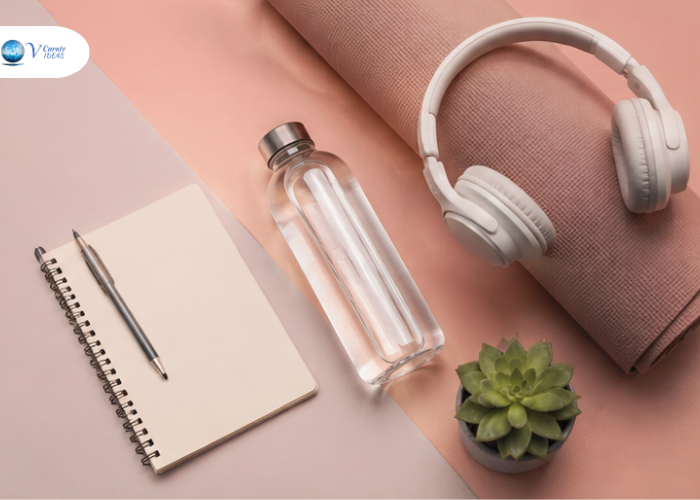
Why quality sleep is becoming the ultimate productivity trend

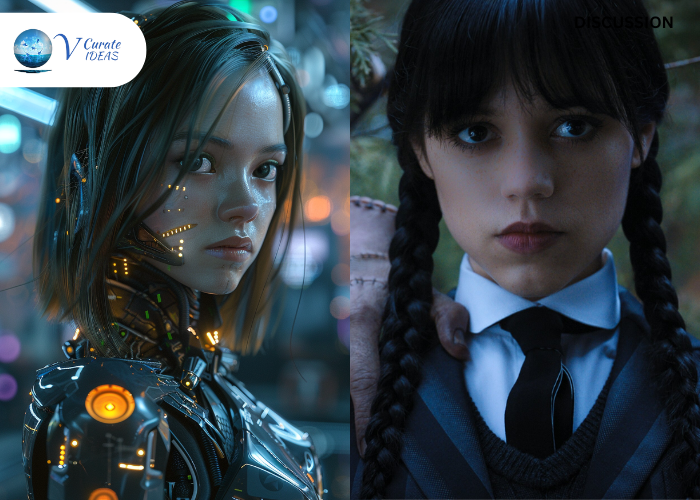
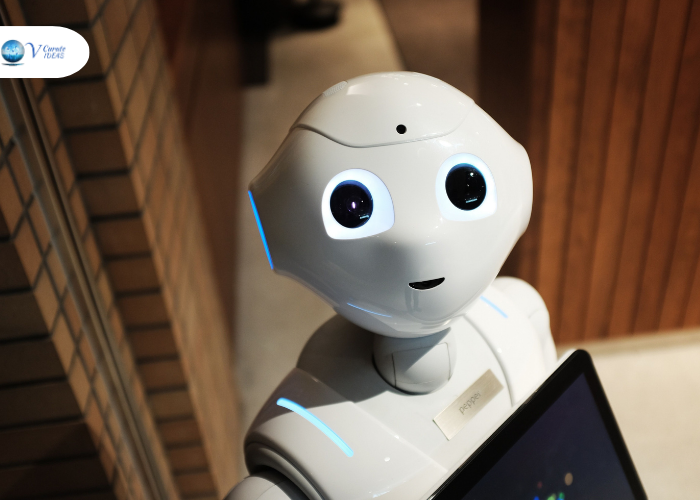
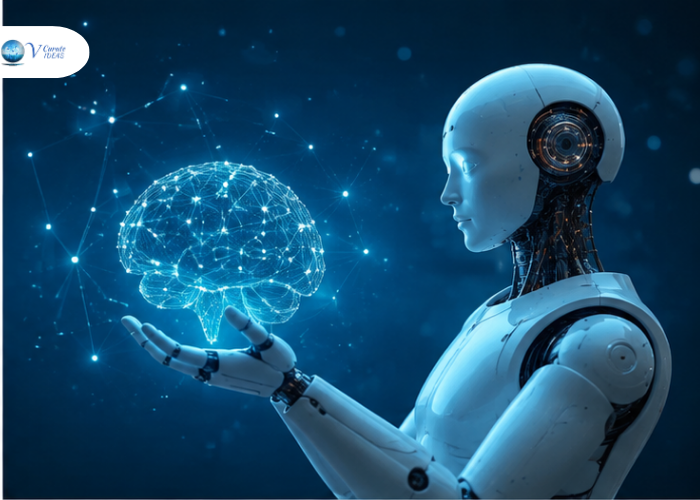
AI’s ability to create lifelike characters is transforming the future of acting, blending creativity with technology in ways that challenge our ideas of performance and authenticity. While digital actors can replicate emotions and expressions with uncanny precision, many argue that they lack the lived experience and vulnerability that make human performances so powerful. This shift could redefine what it means to be an actor, from performing on set to licensing one’s likeness or training a personal AI model, raising questions about ownership, artistry, and emotional connection. As audiences begin to encounter fully digital stars, the real test will be whether viewers can truly connect with characters who were never human at all.
What do you think?
Do you think audiences can ever feel the same emotional connection to an AI-created actor as they do to a real human performer?
Give your comment below!
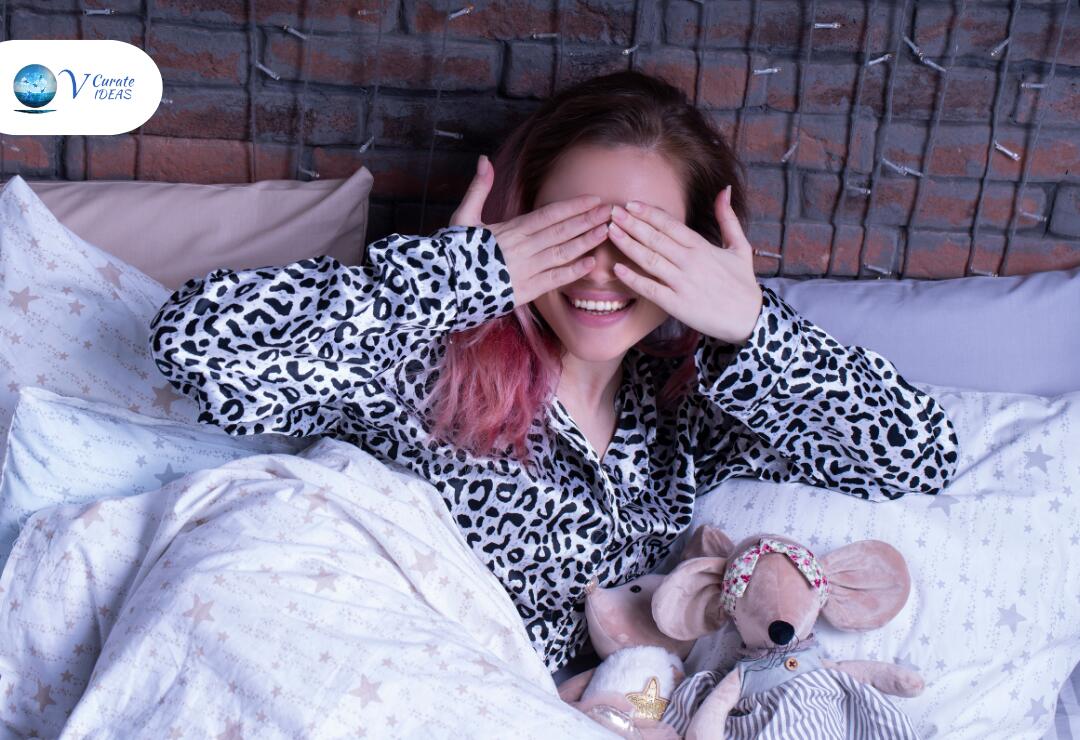
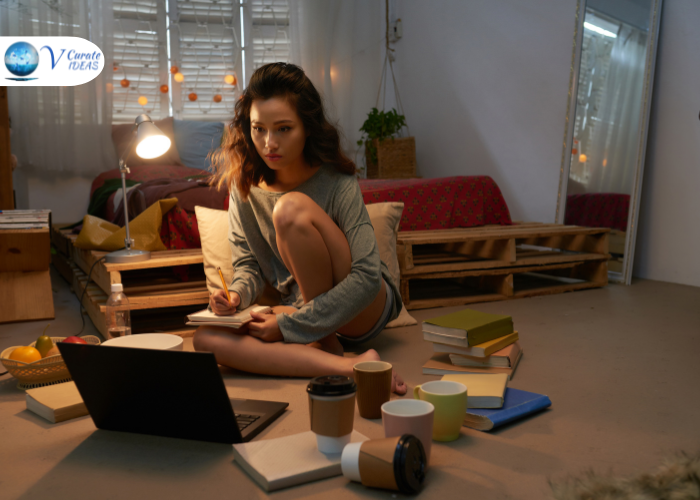
Why quality sleep is becoming the ultimate productivity trend

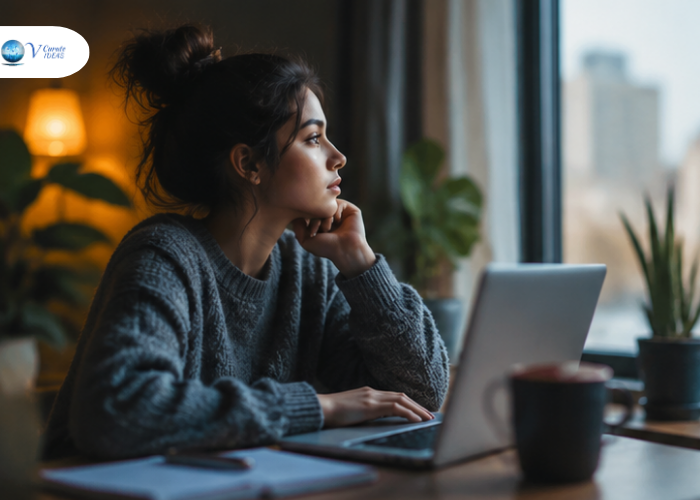
Build skills that keep your career ahead in an AI driven world
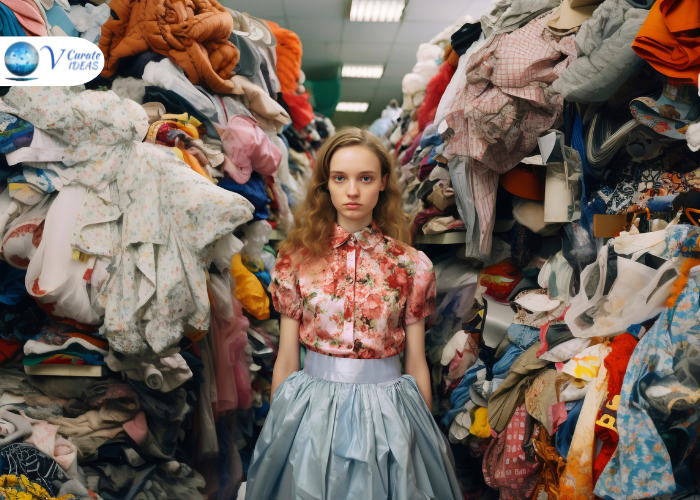
Discover why personal style is replacing fast fashion as the new trend for confident everyday choices

Explore subscription fatigue streaming apps costs and how digital habits are shifting online today

Elon Musk is famous for being an environmental entrepreneur and businessman. Let's take a survey to know why is he so famous :)

This survey is aimed at knowing the way social media is affecting our youth in both positive and negative ways.
© Copyright 2019 - 2026, All Rights Reserved


Participant Comments