Sleep Reset Culture
Why quality sleep is becoming the ultimate productivity trend


Let's be honest: how often do you ask AI for help before trying to figure something out yourself?
Whether it's writing an email, explaining a difficult topic, planning a trip, creating content, or brainstorming a business idea, artificial intelligence (AI) has become an increasingly accessible tool. Tasks that once took hours can sometimes take minutes.
That sounds like a win. But there's a bigger question: Are we learning to think better with AI, or are we becoming too dependent on it?
For many young adults, AI can act like a study partner, writing assistant, or brainstorming buddy. It can explain complicated concepts in simpler language, help organise ideas, and suggest new ways to approach a problem.
For Gen Z students and young professionals in the United States and Canada, understanding how to use AI responsibly may also be useful as workplaces and educational institutions adapt to new technologies.
Used thoughtfully, AI can support learning and creativity. It can help people get started without necessarily doing all the thinking for them.
Here's where the debate gets interesting.
If you use AI to explain an answer and then test your understanding, you're actively learning. If you copy an answer without checking whether it's correct, you may miss the opportunity to develop your own skills.
AI can also produce inaccurate information, reflect biases, and raise questions about privacy, originality, and academic integrity.
The issue isn't simply whether AI is good or bad. It's how we use it, when we trust it, and whether we can still think independently without it.
AI skills may help people adapt to changing workplaces, but knowing how to use a tool isn't the same as understanding its limitations. Communication, critical thinking, creativity, and sound judgement remain important.
The smartest approach may be learning to work with AI without allowing it to replace your own reasoning.
Is AI good for Gen Z? It can be useful for learning, productivity, and creativity when its output is checked and used responsibly.
Can AI affect critical thinking? Overreliance may reduce opportunities to practise independent reasoning, particularly when people accept answers without questioning them.
Will AI skills matter for future jobs? They may be valuable in many fields, but their importance will vary by role and industry.
AI at school: Should students be allowed to use AI for assignments?
AI at work: Is using AI smart productivity or taking the easy way out?
Human creativity: Can AI produce genuinely original work?
The big test: If AI disappeared tomorrow, what would become harder in your life?
Your turn: Is AI making your generation smarter, more productive, more dependent or all three?
Drop your honest opinion in the comments. Disagree respectfully, explain your reasoning, and reply to someone whose perspective challenges yours.

Why quality sleep is becoming the ultimate productivity trend

Build skills that keep your career ahead in an AI driven world

Discover why personal style is replacing fast fashion as the new trend for confident everyday choices

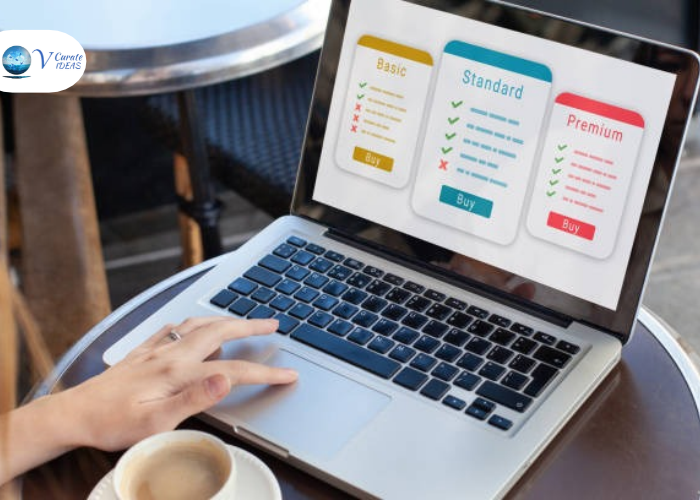
Explore subscription fatigue streaming apps costs and how digital habits are shifting online today

Elon Musk is famous for being an environmental entrepreneur and businessman. Let's take a survey to know why is he so famous :)

This survey is aimed at knowing the way social media is affecting our youth in both positive and negative ways.
© Copyright 2019 - 2026, All Rights Reserved





Participant Comments