Sleep Reset Culture
Why quality sleep is becoming the ultimate productivity trend


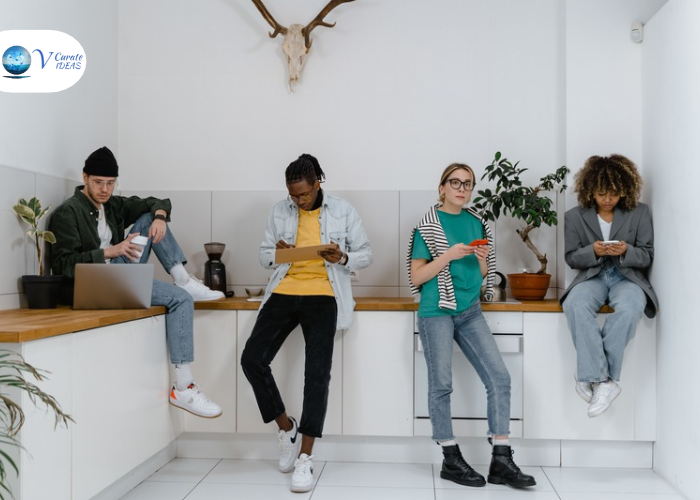
You aren't physically sick. You don't have a fever. You can technically get out of bed, answer messages, attend class, or show up for work.
But mentally? You're exhausted.
Someone asks how you're doing, and the automatic response is, “I'm fine.”
For many young adults, balancing education, work, relationships, financial pressure, and constant digital notifications can make it difficult to switch off. Even taking a break can bring guilt about unfinished tasks or the fear of falling behind.
So here's a question worth discussing: Should mental health days be treated like regular sick days?
Mental wellbeing affects how people think, feel, interact with others, and manage everyday responsibilities. Time away from demanding situations can sometimes provide an opportunity to rest, reflect, and regain perspective.
Supporters of mental health days argue that people shouldn't have to wait until they're completely overwhelmed before asking for a break.
For Gen Z in the United States and Canada, this conversation connects to broader questions about workplace wellbeing, student support, burnout, and the expectations placed on young adults.
However, a day off isn't a universal solution. Someone experiencing persistent distress may need professional support, changes to their workload, or other ongoing help.
They can be one part of a broader approach but they cannot fix every underlying problem.
Imagine a workplace where employees are constantly expected to answer messages after hours, take on unrealistic workloads, and work through exhaustion. Giving someone a day off may provide temporary relief, but the same pressures could still be waiting when they return.
The same principle applies to education. Students may benefit from flexibility, but ongoing academic pressure and limited support can require more comprehensive solutions.
Wellbeing shouldn't depend entirely on an individual's ability to cope with unhealthy circumstances.
Employers and schools can help by setting clear expectations, respecting privacy, offering reasonable flexibility, and making support accessible. Policies also need to explain how leave works and how responsibilities are managed.
A useful policy would establish clear rules, protect personal information, and avoid treating mental health concerns as less legitimate than physical health concerns.
The details matter. Leave arrangements differ between employers, schools, and jurisdictions, so a policy that works in one setting may not apply in another.
Should mental health days count as sick days? They can reasonably be included in broader wellbeing and leave policies, although the specific arrangements depend on the institution and applicable rules.
Do mental health days prevent burnout? They may offer temporary relief, but lasting improvements can also require manageable workloads, supportive environments, and appropriate care.
Is taking a mental health day a sign of weakness? No. Recognising personal limits and seeking appropriate support are legitimate parts of looking after wellbeing.
At work: Should employees be able to take mental health days without stigma?
At school: Should students receive more flexibility when overwhelmed?
Burnout: Are we normalising being constantly exhausted?
Real solutions: What change would make the biggest difference to young people's wellbeing?
Your turn: If mental health days became normal tomorrow, what would need to change at work or school to make them genuinely useful?
Share your thoughts without feeling pressured to reveal private experiences. Keep the discussion respectful, people's circumstances and needs are different.
Why quality sleep is becoming the ultimate productivity trend

Build skills that keep your career ahead in an AI driven world
Discover why personal style is replacing fast fashion as the new trend for confident everyday choices

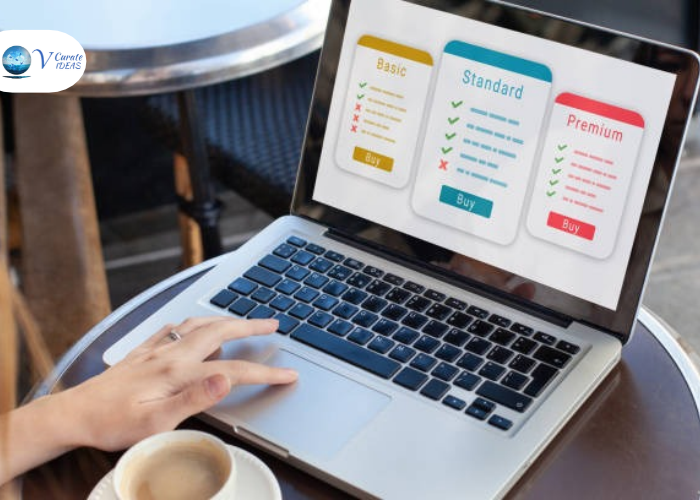
Explore subscription fatigue streaming apps costs and how digital habits are shifting online today

Elon Musk is famous for being an environmental entrepreneur and businessman. Let's take a survey to know why is he so famous :)

This survey is aimed at knowing the way social media is affecting our youth in both positive and negative ways.
© Copyright 2019 - 2026, All Rights Reserved



Participant Comments