Rabbit R1 Review
The AI Gadget That Wants to Replace Your Smartphone

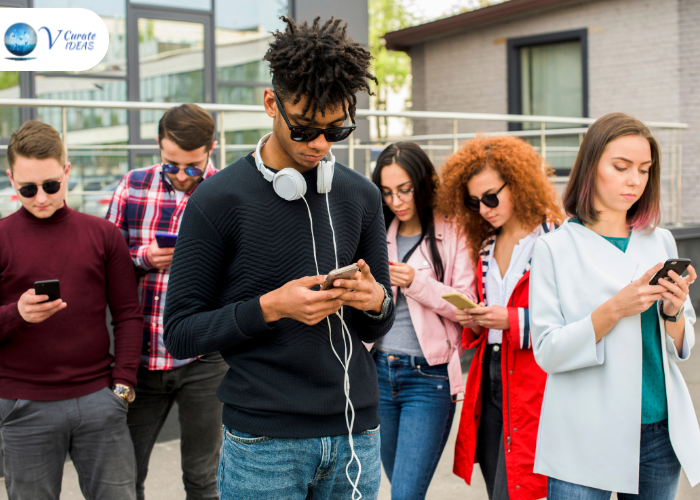
In today’s hyper-connected digital world, one of the most powerful yet unnoticed habits shaping human behavior is constant social comparison. Every scroll through Instagram, TikTok, or YouTube exposes us to thousands of carefully curated lives. Over time, this exposure starts affecting how we see our own reality, progress, and self-worth. But the real question is simple: why do we compare our lives to strangers on the internet, and what is it doing to our mental health, confidence, and identity?
We live in an era of digital visibility, where almost everyone is both a creator and a viewer. Social media platforms are designed to keep users engaged, and one of the strongest psychological tools used for engagement is comparison.
When you see people:
Traveling to beautiful destinations
Showing financial success
Living a “perfect” lifestyle
Your mind automatically starts measuring your own life:
“Why am I not there yet?”
“Am I doing something wrong?”
“They are ahead of me.”
This reaction is not accidental. It is driven by algorithmic content systems that prioritize highlight moments, not real life.
Humans are naturally wired for social benchmarking, meaning we compare ourselves to others to understand our position in society. This helped survival and growth in the past, but the internet has expanded this behavior to an extreme level.
On social media, people post their best moments, not their struggles. This creates a distorted view of reality where you only see success, happiness, and achievements. As a result, you compare:
your real life vs someone else’s edited life.
Before the internet, comparison was limited to people around you such as friends, classmates, or coworkers. Now, you are exposed to millions of strangers worldwide. This creates endless comparison, because there will always be someone who appears more successful online.
Every like, view, or viral post triggers a dopamine response, which is the brain’s reward system. This creates a loop:
scrolling → comparison → emotional reaction → more scrolling
Over time, this becomes a habit that is hard to break.
Constant comparison affects more than just mood. It slowly reshapes how you see yourself and your life.
People often feel like they are behind in life, even when they are progressing normally. This creates unnecessary stress and mental pressure.
When others appear more successful, your own achievements start to feel smaller or less valuable.
Many people start chasing lifestyles they don’t truly want, just because they look attractive online. This disconnects them from their real goals and values. This is often described as digital insecurity, a modern mental health issue linked to social media usage.
One of the biggest problems today is how success is represented online. Success is often shown as: luxury cars, travel, perfect routines, and viral fame. But what is rarely shown is: debt behind luxury lifestyles, burnout behind productivity, and editing behind perfection. This creates an algorithmic illusion of success, where visibility is mistaken for reality. Just because something looks successful does not mean it reflects real stability or happiness.
Even when people understand that social media is not reality, they still compare themselves. The reason is psychological. Comparison creates a temporary sense of direction. It gives people a feeling that they are “measuring progress,” even if the reference point is unfair. Another major factor is Fear of Missing Out (FOMO). When people see others achieving or enjoying life, they feel pressure to catch up, even if those lifestyles are not truly aligned with their own goals.
Breaking free from comparison does not require leaving social media. It requires changing how you use it. Shift from comparison to inspiration. Instead of asking why not me, ask what can I learn from this. Control your feed by following content that educates, motivates, and supports your growth, and unfollow content that creates insecurity or pressure. Focus on personal progress. Measure your growth against your past self, not strangers online. Reduce mindless scrolling. Even small breaks from social media help reset your attention and reduce emotional overload.
The truth is simple. You are not behind in life. You are just seeing incomplete versions of other people’s journeys. Social media shows fragments, not full stories. When we compare our full reality with fragments, we naturally feel incomplete or less successful. Learning to step away from toxic comparison culture is not just a digital habit. It is a necessary skill for protecting mental health and building a stronger sense of identity in the modern world. Your life is not a competition with strangers online. It is your own journey, and it moves at its own pace.
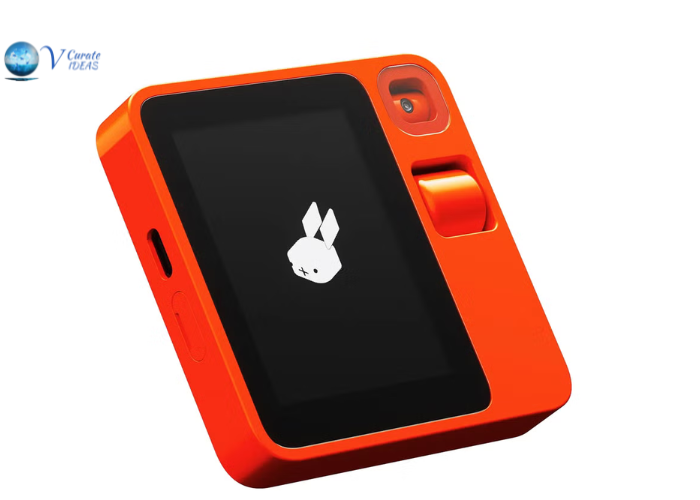
The AI Gadget That Wants to Replace Your Smartphone

A bold, spicy review of Off Campus series exploring messy hockey romances, intense chemistry, chaotic college love stories.

Three students trapped in an underground pit during a storm face fear, tension, and emotional breakdown in this intense survival drama.
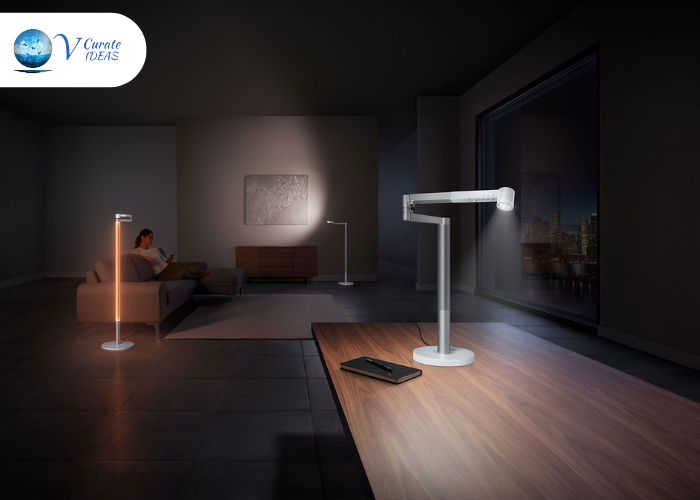
A smart desk lamp with AI assistant, adaptive lighting, and productivity tools that boosts focus and improves daily work efficiency.
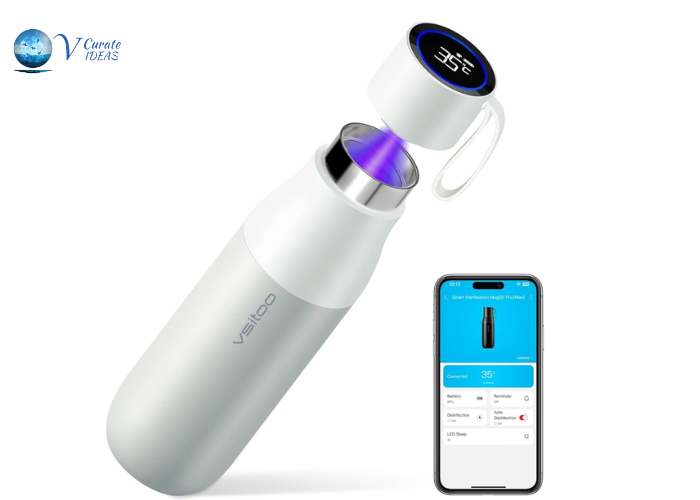
Smart self-cleaning water bottle with UV-C tech that kills bacteria, tracks hydration, and keeps drinks fresh daily.
© Copyright 2019 - 2026, All Rights Reserved