Why Cash App Changed How Young Adults Manage Money
A detailed review of Cash App money management features and why simple digital finance tools are gaining popularity

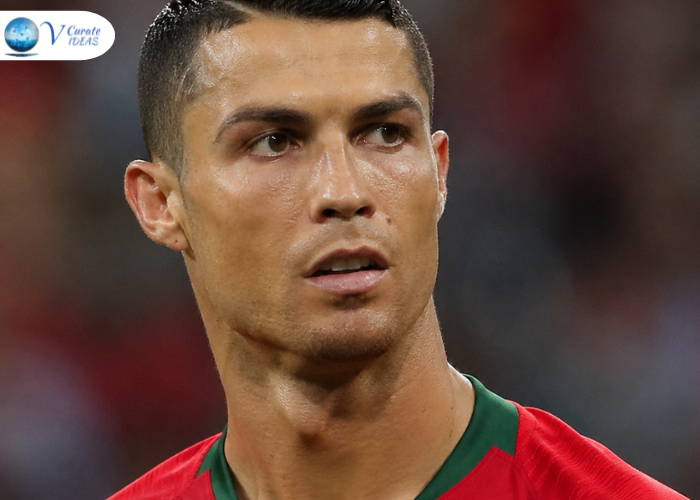
The phrase “Ronaldo mindset” has become more than just a football reference. It represents discipline, confidence, and relentless ambition. When people think of Cristiano Ronaldo mindset motivation, they imagine early morning workouts, strict routines, and an almost unreal level of self belief. For many, this mindset feels like a blueprint for success, not just in sports but in life.
But there is a growing question that deserves attention. Is this mindset truly attainable, or is it a carefully curated image amplified by social media
There is no denying that Ronaldo’s career reflects extraordinary commitment. His consistency over the years has made elite athlete discipline look almost effortless. However, in today’s digital world, what we see is often filtered. Social media highlights the wins, the goals, the physique, and the confidence. It rarely shows the failures, doubts, or off days.
This creates a powerful but sometimes misleading narrative. The idea of perfect success habits can feel inspiring at first, but it may also set unrealistic expectations. Many young people begin to compare their everyday struggles to a highlight reel that was never meant to show the full picture.
For Gen Z, the idea of constant improvement is deeply tied to identity. The high performance lifestyle promoted through figures like Ronaldo can feel motivating, but it can also become overwhelming. The pressure to always be productive, always improving, and always confident can lead to burnout.
The Ronaldo success mindset is often interpreted as never slowing down. But real growth is rarely that linear. It includes rest, uncertainty, and moments of doubt. Ignoring these parts creates a version of success that feels distant and difficult to sustain.
Despite these concerns, it would be unfair to dismiss the impact completely. Ronaldo’s journey still offers valuable lessons. His focus, resilience, and belief in self improvement continue to inspire millions. The key difference lies in how this inspiration is interpreted.
Instead of copying a lifestyle, it is more useful to understand the principle behind it. The idea of self discipline and growth mindset can be adapted in a way that feels realistic and personal. It does not have to look extreme to be effective.
The real question is not whether the Ronaldo mindset is real or fake. It is about how we choose to engage with it. Social media often turns individuals into symbols, and those symbols can lose their complexity over time.
For a generation that is constantly connected, learning to separate inspiration from illusion is essential. The mindset can still motivate, but only when it is grounded in reality. Progress does not need to be perfect to be meaningful.
The Ronaldo mindset sits somewhere between truth and projection. It is both a source of genuine motivation and a product of digital storytelling. The challenge is not to reject it, but to redefine it in a way that fits real life.
Because in the end, success is not about becoming someone else. It is about building a version of yourself that you can actually sustain.

A detailed review of Cash App money management features and why simple digital finance tools are gaining popularity

A detailed review of Airbnb travel experience and why unique stays are changing the way people explore.

A detailed review of CeraVe skincare products and why simple routines are shaping modern beauty habits.
A detailed review of Spotify music streaming experience and why it remains a favorite digital platform

A detailed review of ThredUp online thrift shopping and why sustainable fashion is gaining popularity.
© Copyright 2019 - 2026, All Rights Reserved