Rabbit R1 Review
The AI Gadget That Wants to Replace Your Smartphone


In a sports world that often celebrates perfection, strength, and emotional control, Coco Gauff reminded fans that even the strongest athletes face moments of self doubt, frustration, and emotional pressure. The young tennis star recently became one of the most talked about athletes online after an emotional moment during the Italian Open went viral across social media platforms. During the match, Gauff hit herself with her racket in frustration after struggling on court. The clip quickly spread online, generating millions of reactions from sports fans, mental health advocates, and Gen Z audiences who connected deeply with the moment. What transformed the situation from a simple viral sports clip into a major cultural discussion was her honesty afterward.
Gauff later revealed that she had been dealing with personal off court struggles and feelings of imposter syndrome, opening a wider conversation about mental health in professional sports, emotional burnout, and the hidden pressures faced by young athletes in the digital age.
One reason the story gained massive attention is because it felt real. In modern sports culture, athletes are constantly expected to appear confident, focused, and mentally strong. Social media has intensified this pressure by placing every emotional reaction under public scrutiny. A single moment of frustration can instantly become viral content shared across TikTok, Instagram, X, and YouTube. But instead of hiding from the attention, Gauff chose honesty.
Her openness about struggling emotionally and questioning herself resonated strongly with younger audiences who often deal with similar feelings in their own lives. Many fans described her comments as relatable because imposter syndrome, anxiety, and emotional exhaustion have become increasingly common topics among Gen Z. For many people online, the moment was not viewed as weakness. It was viewed as humanity.
Modern athletes face a completely different environment than previous generations. Today’s sports stars are not only expected to perform during games and tournaments. They are also expected to manage public image, social media attention, brand partnerships, interviews, and nonstop online commentary. For younger athletes like Coco Gauff, this pressure can become overwhelming.
Every mistake is replayed online.
Every emotional reaction becomes a headline.
Every performance is analyzed by millions of strangers.
This creates an environment where mental fatigue can grow quickly, especially for athletes competing at the highest level from a very young age. Sports psychologists have increasingly warned about the effects of digital pressure, performance anxiety, and public criticism on athletes’ mental wellbeing. Discussions around athlete mental health have become much more common in recent years as stars across multiple sports speak openly about burnout, stress, depression, and emotional struggles.
One of the most important parts of Gauff’s comments was her discussion about imposter syndrome. Imposter syndrome is the feeling that you are not truly deserving of your success, even when there is clear evidence of achievement. People experiencing it often fear being exposed as not good enough despite working hard and accomplishing major goals. This issue is extremely common among high achievers, students, creators, entrepreneurs, and athletes. For someone like Coco Gauff, who became famous at a very young age and carries enormous expectations from fans and media, these feelings can become especially intense. Her honesty helped normalize a conversation that many people are afraid to admit publicly. The reality is that success does not automatically eliminate insecurity. In many cases, greater visibility creates even more pressure to constantly prove yourself.
Gen Z audiences have shown strong interest in discussions around mental health awareness, emotional vulnerability, burnout, and self identity. Unlike older generations that often avoided these conversations publicly, younger audiences tend to value emotional honesty and authenticity. That is why Gauff’s emotional moment spread so quickly online. Many people saw themselves in her experience. Students facing academic pressure, creators struggling with comparison culture, young professionals dealing with anxiety, and social media users overwhelmed by constant performance expectations all related to the emotional themes behind the story. The discussion also connects with larger trends currently dominating online culture, including:
digital burnout
anxiety among young adults
emotional exhaustion
social media pressure
high performance stress
mental wellness awareness
Because these topics already dominate online conversations, Coco Gauff’s honesty became more than sports news. It became part of a much larger discussion about modern emotional pressure.
Over the last few years, professional sports have started shifting toward more open discussions around mental wellbeing. Athletes are increasingly speaking publicly about therapy, stress management, emotional struggles, and the psychological side of competition. Fans are also becoming more supportive of athletes showing vulnerability instead of demanding constant perfection. This cultural shift matters because sports have historically rewarded emotional suppression. For decades, athletes were often told to ignore stress, hide emotions, and push through mental struggles silently. Today, many younger fans and athletes are challenging that mindset. Coco Gauff’s honesty reflects this new era of sports culture where emotional wellbeing is becoming part of the conversation rather than something hidden behind performance.
The viral Italian Open moment was never just about frustration during a tennis match. It became significant because it revealed something deeper about the pressure many people feel today. Behind achievements, followers, trophies, and success, there are still human emotions that cannot always be controlled perfectly. Social media often creates the illusion that successful people are constantly confident and emotionally stable, but reality is far more complicated. Gauff’s willingness to speak honestly reminded many people that struggling mentally does not erase talent, ambition, or success. In fact, acknowledging emotional difficulty can sometimes be a sign of strength. As conversations around athlete mental health continue growing, moments like this may help create healthier expectations not only in sports, but also in everyday life. For many fans, Coco Gauff’s emotional honesty was not simply relatable. It was necessary.
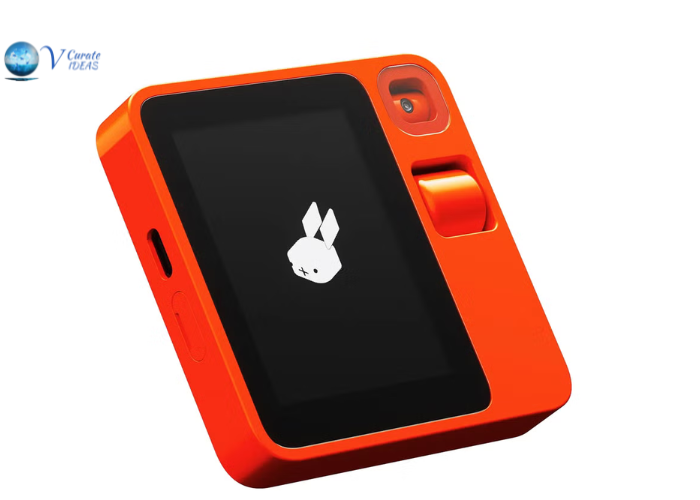
The AI Gadget That Wants to Replace Your Smartphone

A bold, spicy review of Off Campus series exploring messy hockey romances, intense chemistry, chaotic college love stories.

Three students trapped in an underground pit during a storm face fear, tension, and emotional breakdown in this intense survival drama.

A smart desk lamp with AI assistant, adaptive lighting, and productivity tools that boosts focus and improves daily work efficiency.
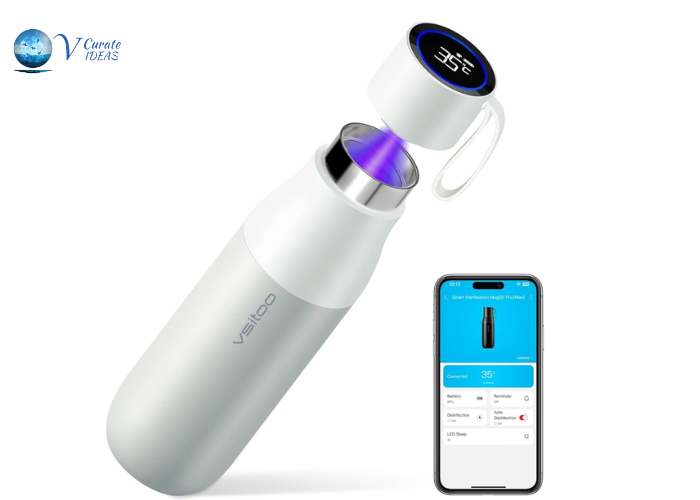
Smart self-cleaning water bottle with UV-C tech that kills bacteria, tracks hydration, and keeps drinks fresh daily.
© Copyright 2019 - 2026, All Rights Reserved