The Gen Z Skills That Will Matter Most in 2026
AI is changing how people work, but that does not mean every valuable career skill is technical.

Fashion has always been about personal expression, but the way people discover and purchase clothing is changing. Many shoppers today are looking beyond seasonal trends and asking different questions before buying something new. Where was it made? How long will it last? Can I find something unique instead of owning the same style everyone else has? These changing priorities have helped platforms like ThredUp online thrift shopping become part of a larger movement toward smarter and more sustainable fashion choices.
ThredUp is an online resale platform that allows users to buy and sell secondhand clothing, accessories, and fashion items. Unlike traditional thrift stores where shoppers physically search through racks, the platform brings the experience online with searchable categories, filters, brand selections, and condition ratings. This makes secondhand shopping more accessible for people who enjoy convenience but still want the excitement of discovering unique pieces.
One of the biggest strengths of ThredUp is the variety available. The platform includes everything from everyday basics to designer items, making it possible to explore different styles without always paying full retail prices. For shoppers interested in building a wardrobe with personality, secondhand fashion marketplace platforms offer something traditional stores often cannot: pieces that feel less predictable and more individual.
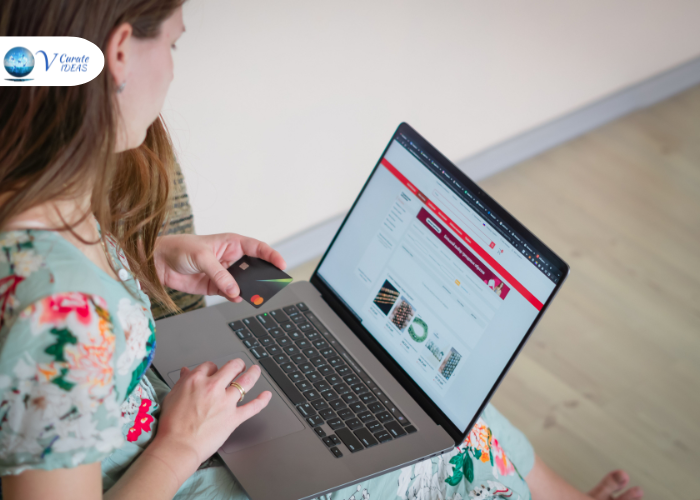
The user experience is designed to feel familiar for anyone who already shops online. Users can search by size, brand, style, color, and category, which removes one of the biggest challenges of traditional thrift shopping. Finding something specific becomes much easier. Someone searching for a vintage jacket, professional outfit, casual basics, or a particular brand can narrow the options without spending hours looking through physical stores.
Another major advantage is the connection to sustainable fashion trends. Clothing waste has become a growing concern, and many consumers are becoming more aware of how purchasing decisions affect the environment. Buying secondhand extends the life of existing clothing and encourages a more thoughtful approach to fashion consumption. For many younger shoppers, sustainability is not just a marketing message. It is becoming part of how they define personal values and lifestyle choices.
The platform also appeals to people who enjoy experimenting with style. Fashion has become less about following one fixed aesthetic and more about mixing influences. A shopper might combine vintage pieces with modern basics or discover a style they would never have considered in a traditional store. The unpredictability of resale shopping creates a sense of exploration.
However, there are some limitations. Because items are preowned, availability changes constantly. A specific size, color, or style may disappear quickly and may not return. This means shoppers need patience and flexibility. Unlike buying directly from a brand, where every product is consistent, secondhand shopping involves more variation.
Another area where the experience can vary is product condition. Although ThredUp provides descriptions and ratings, online shoppers cannot physically touch fabrics or try items before purchasing. Paying close attention to measurements, photos, and condition details is important to avoid disappointment.
Pricing is another interesting factor. While many items are affordable compared with buying new, not every listing will feel like a bargain. Popular brands and higher demand pieces can still have higher prices. The best value often comes from shoppers who enjoy searching and comparing options rather than expecting every item to be extremely discounted.
The rise of circular fashion economy platforms shows that shopping habits are becoming more intentional. Consumers are not only looking for new products. They are looking for better ways to enjoy fashion while reducing unnecessary waste. ThredUp fits into this shift by making resale shopping easier for people who may not have considered traditional thrift stores.
The platform is especially appealing for shoppers who value variety, affordability, and sustainability. It may not replace traditional shopping completely, but it offers a refreshing alternative for anyone interested in creating a wardrobe with more character and purpose.
Final Verdict: ThredUp is a strong option for fashion lovers who want affordable, sustainable, and unique clothing choices. The experience requires a little patience because inventory changes constantly, but the opportunity to discover meaningful pieces makes it worth exploring for modern shoppers.
AI is changing how people work, but that does not mean every valuable career skill is technical.

Here’s what still works, what is overcrowded, and how to build something people will actually pay for.
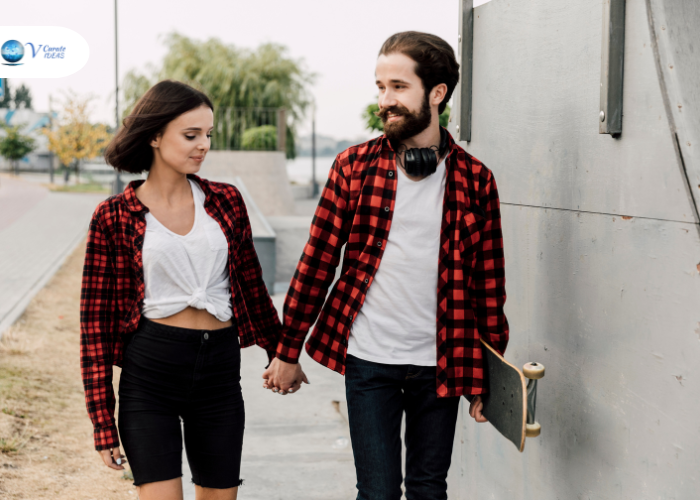
Learn what Gen Z values in relationships, from communication and trust to emotional growth and healthy connections.
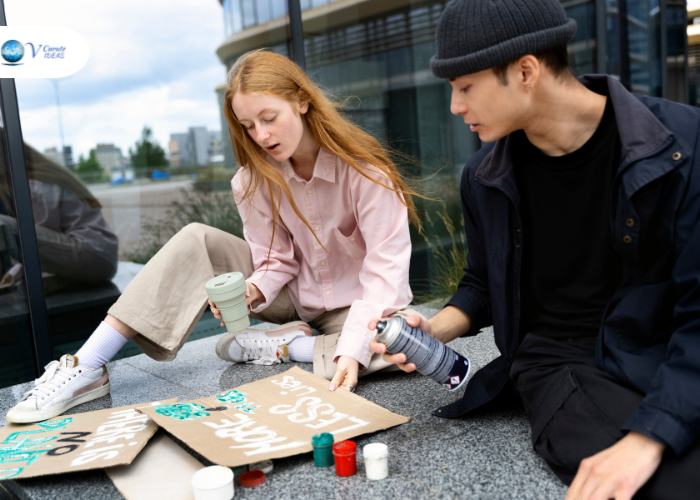
Discover how the creator economy is helping Gen Z build meaningful careers through creativity and innovation.

Discover the Top 100 Gen Z startups transforming technology, careers, wellness, and the future today.
© Copyright 2019 - 2026, All Rights Reserved