Sleep Reset Culture
Why quality sleep is becoming the ultimate productivity trend

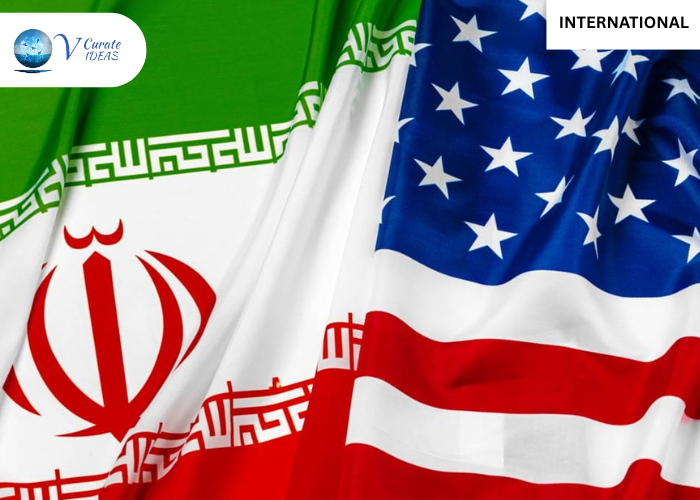
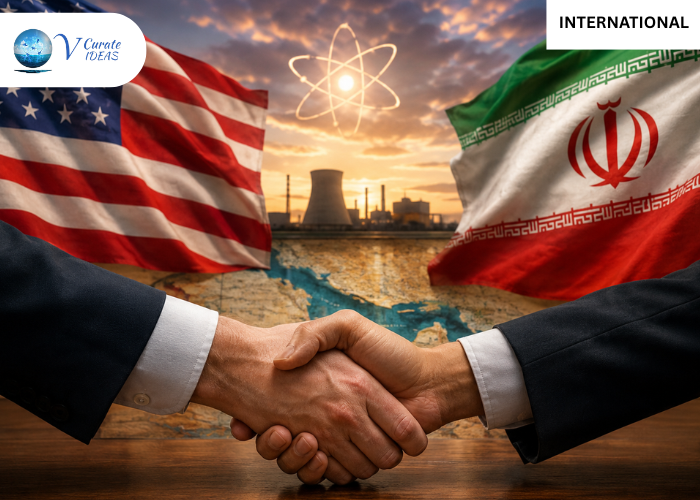
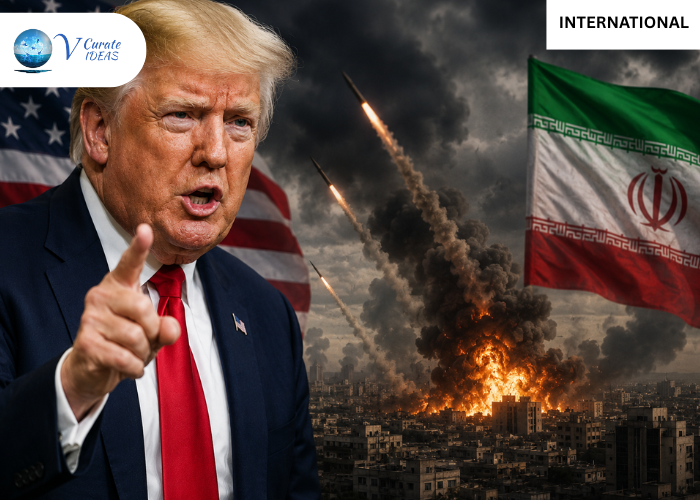
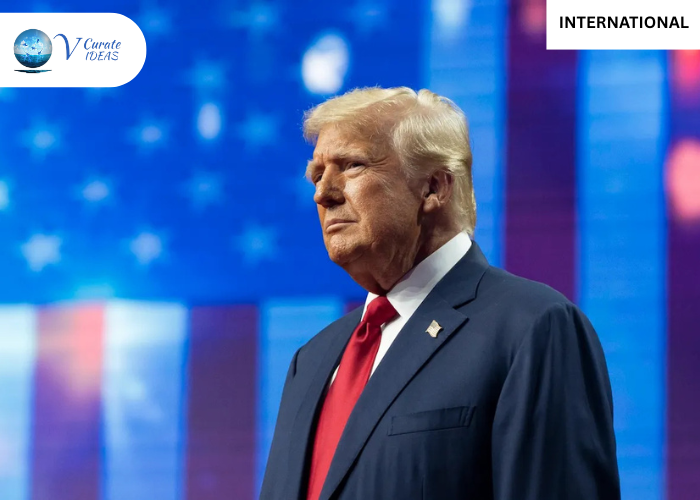
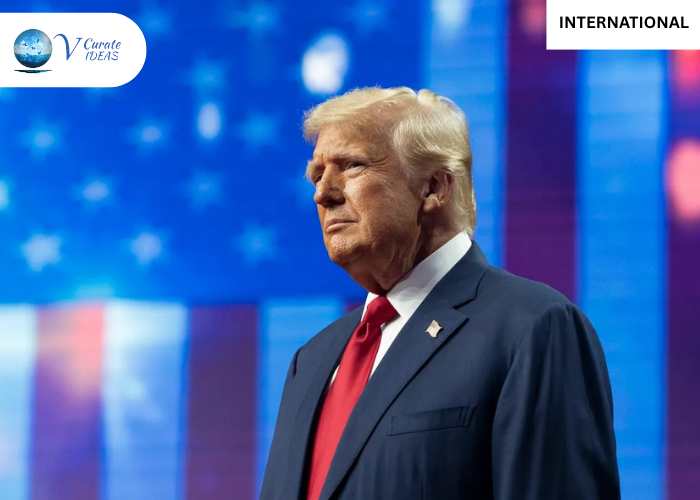
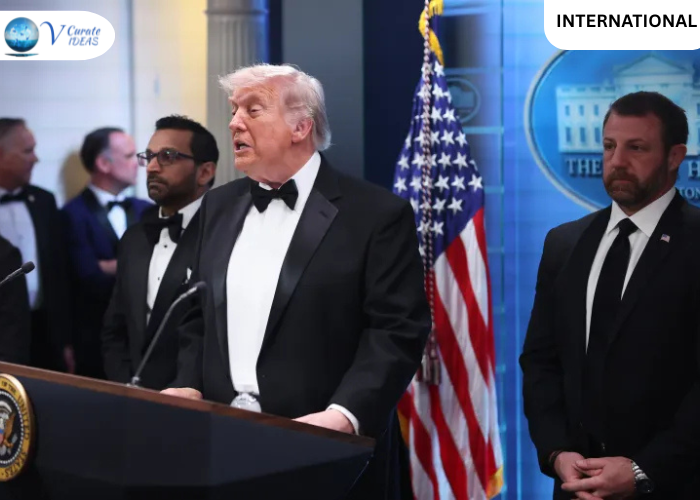
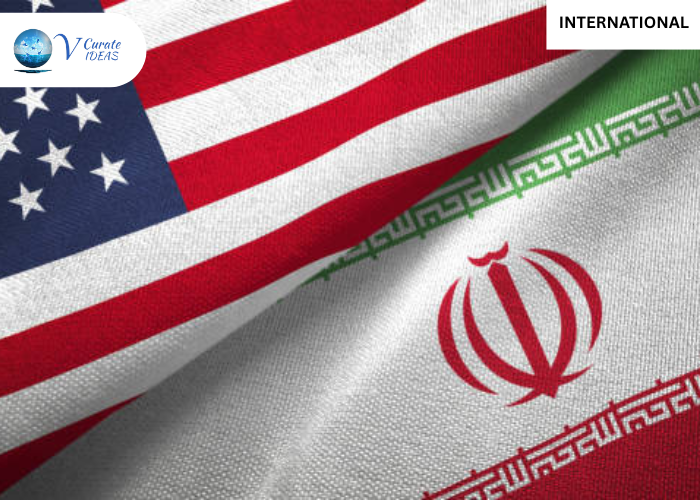
Mixed messages have emerged from the United States and Iran regarding possible diplomatic talks, even as tensions remain high in the ongoing conflict. US President Donald Trump stated that planned strikes on Iranian power plants have been postponed following what he described as “productive” conversations with Tehran. He suggested that progress was being made toward a potential agreement to ease hostilities.However, Iranian officials have strongly pushed back on these claims. Iran’s parliament speaker denied that any direct discussions had taken place, dismissing reports of talks as “fake news.”
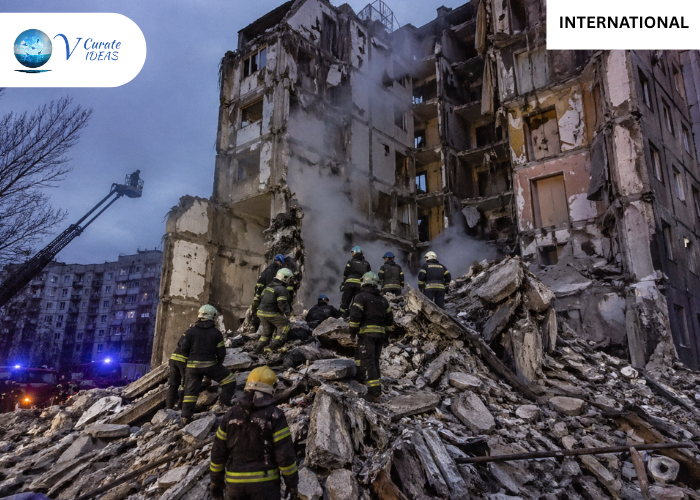
Despite this, a senior Iranian foreign ministry official indicated that Tehran had received “points” from the US through mediators—seen as a possible preliminary step toward negotiations, though not confirmation of formal talks. The White House has also urged caution, describing the situation as “fluid” and warning that speculation about meetings should not be considered final until officially announced. Meanwhile, the broader regional situation remains volatile. Missile activity has been reported in northern Israel, with damage to residential areas and at least one reported injury. Global markets are also reacting, with oil prices climbing back above $100 per barrel amid uncertainty surrounding supply routes, particularly the strategically critical Strait of Hormuz. In response to supply concerns, Japan announced plans to release part of its national oil reserves later this week. As diplomatic signals remain unclear and military risks persist, international attention is focused on whether backchannel communications can evolve into formal negotiations or if tensions will escalate further.

Why quality sleep is becoming the ultimate productivity trend

Build skills that keep your career ahead in an AI driven world
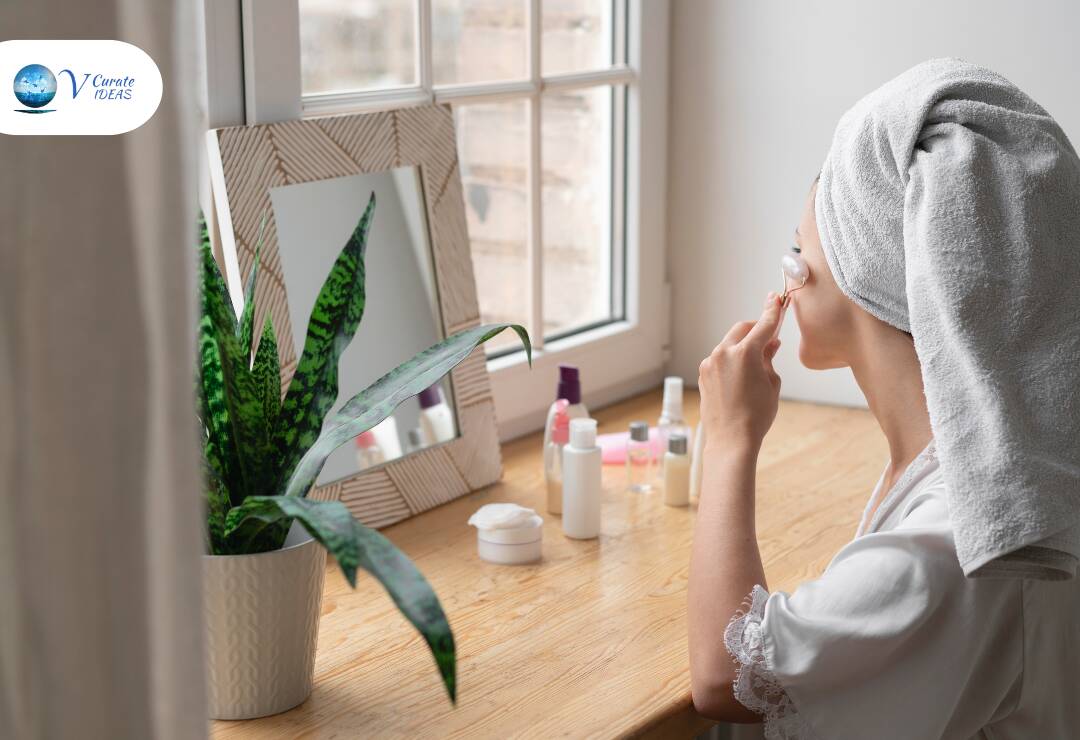
The Rise of Self-Care: A Blessing or a Curse? The Line Between Self-Care and Self-Absorption

Modern travel is becoming more about social media validation, aesthetic content, and posting moments than truly living them.
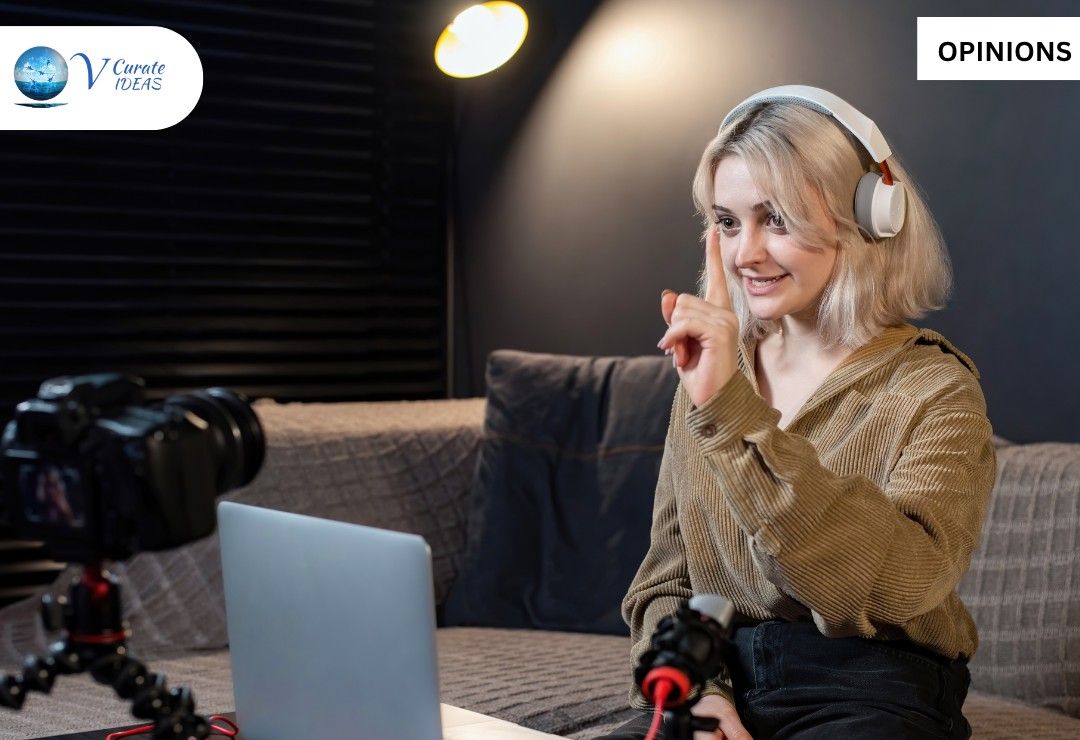
YouTube is more competitive than ever, but small creators can still grow with strategy, consistency, and niche content.

Smoking and vaping debate exploring health risks, personal freedom, addiction concerns, and whether a full ban is justified.
© Copyright 2019 - 2026, All Rights Reserved