Sleep Reset Culture
Why quality sleep is becoming the ultimate productivity trend

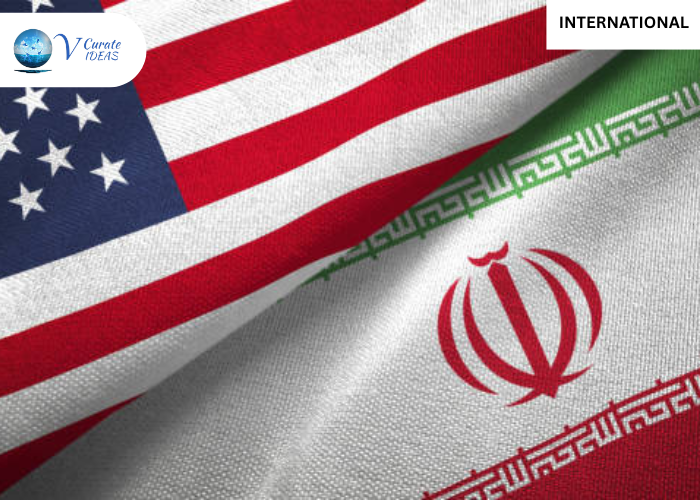
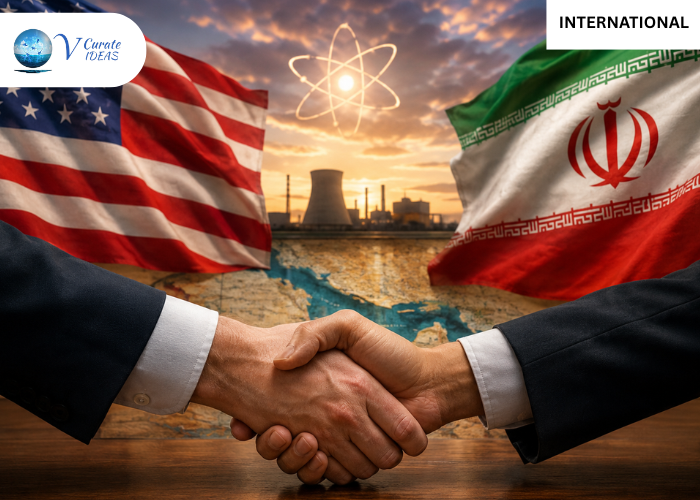
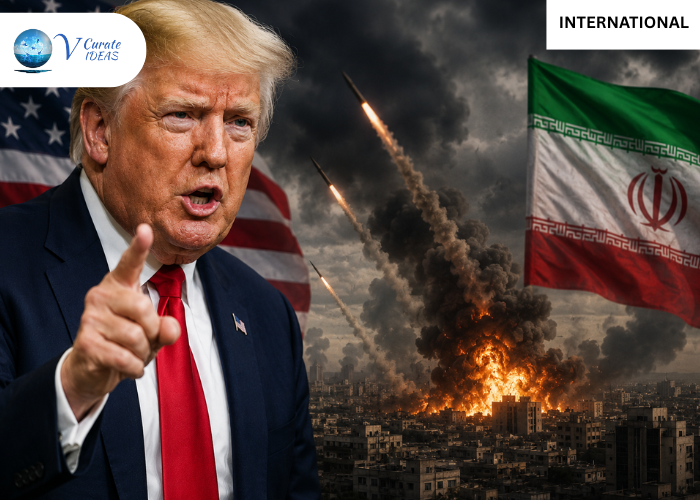
A major escalation has unfolded in the Gulf of Oman after the United States seized an Iranian-flagged cargo vessel, intensifying an already volatile standoff just ahead of critical peace talks scheduled in Islamabad. The incident has raised fears that a fragile ceasefire between Washington and Tehran could collapse within days, potentially triggering a wider regional conflict.
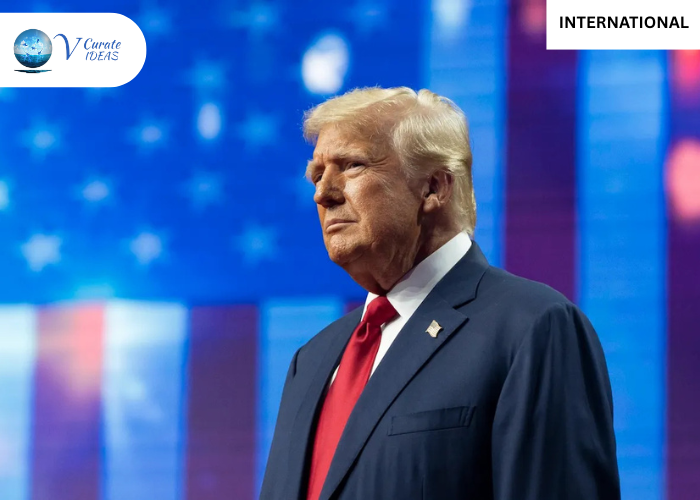
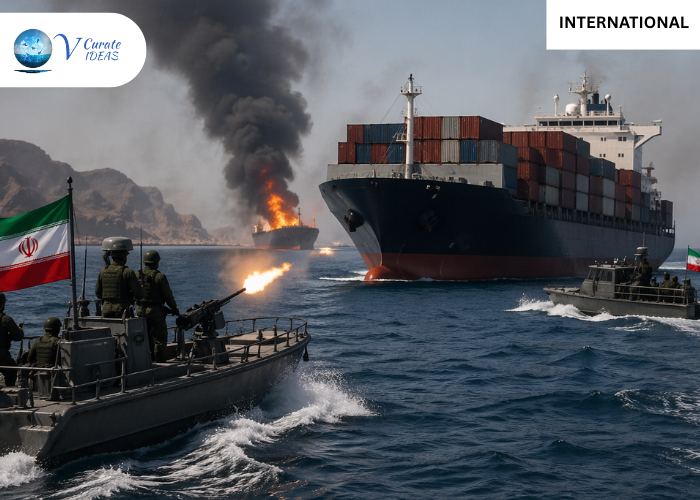
US President Donald Trump confirmed that American naval forces intercepted the vessel, identified as the Touska, after it attempted to pass through a US-enforced blockade on Iranian ports. According to Trump, the ship was issued repeated warnings over a six-hour period but failed to comply. He stated that US forces ultimately disabled the vessel by firing into its engine room, bringing it to a halt before boarding it.
Footage released by US Central Command shows Marines descending from helicopters onto the ship, which had reportedly departed from Malaysia earlier this month and was nearing Iranian waters at the time of interception. The US claims the vessel was already under sanctions due to alleged involvement in illegal activities, and officials say it is now under full American custody while its cargo is being inspected.
Iran has reacted sharply, calling the operation an act of “armed piracy” and a direct violation of the ongoing ceasefire agreement. The country’s top military command, Khatam al-Anbiya headquarters, issued a statement warning that Iran will respond decisively. Iranian state-linked media outlets reported that drones were launched toward US naval assets in the region shortly after the seizure, although there have been no confirmed reports of damage or casualties.
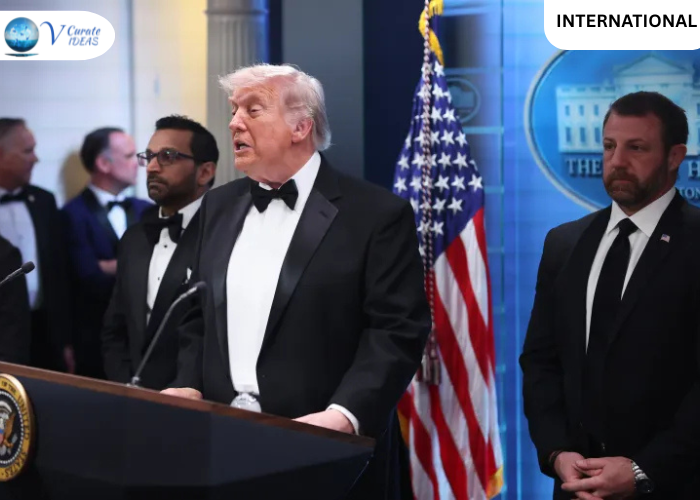
The timing of the confrontation is particularly critical, coming just hours before planned diplomatic talks in Islamabad aimed at extending the ceasefire and negotiating a broader agreement. The US delegation is expected to be led by Vice-President JD Vance, alongside senior advisers. However, Iranian participation remains uncertain. State media in Tehran has suggested that officials may refuse to attend as long as the US blockade remains in place, though no definitive announcement has been made.
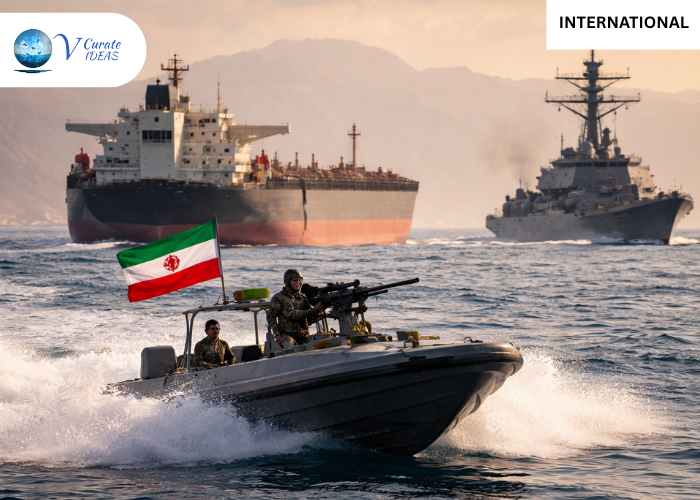
The ceasefire, which temporarily paused weeks of escalating military actions, is due to expire within days. Over the past several weeks, tensions have surged following earlier strikes involving the US, Israel, and Iran, with Tehran repeatedly threatening to disrupt shipping routes in response. The Strait of Hormuz, a narrow but strategically vital waterway through which roughly one-fifth of the world’s oil supply passes, has become a central flashpoint.
Iran has signaled it may impose stricter control over passage through the strait, including potential new legal measures restricting access for countries it considers hostile. Officials in Tehran have insisted that control over the waterway is a sovereign right and have warned that any continued military pressure will be met with escalation.
Meanwhile, President Trump has increased rhetorical pressure, warning that failure to reach a deal could result in US strikes on key Iranian infrastructure, including energy facilities and transport networks. These threats have drawn criticism from international observers and human rights voices, who warn of the potential humanitarian consequences of targeting such sites.
The situation has also had an immediate economic impact. Global oil markets reacted sharply to the developments, with prices surging amid fears of supply disruption. Energy analysts note that even limited conflict in or around the Strait of Hormuz can have outsized effects on global markets, given the volume of oil and liquefied natural gas transported through the corridor.
Security has been significantly tightened in Islamabad ahead of the anticipated talks. Roads have been closed, checkpoints established, and high-level security measures implemented around key venues, including diplomatic zones and hotels designated for foreign delegations. The city is effectively on high alert as Pakistan positions itself as a potential mediator in the crisis.
Despite the preparations, uncertainty remains the dominant theme. With Iran yet to confirm its participation, a naval confrontation fresh in the background, and the ceasefire nearing expiration, the coming hours are likely to be decisive. Diplomats view the Islamabad meeting as a possible last opportunity to prevent a return to open conflict, but the rapidly escalating situation suggests that both sides are preparing for multiple outcomes. As tensions rise across the region, the risk of miscalculation continues to grow, with global political and economic stability increasingly tied to the outcome of this high-stakes standoff.

Why quality sleep is becoming the ultimate productivity trend

Build skills that keep your career ahead in an AI driven world

The Rise of Self-Care: A Blessing or a Curse? The Line Between Self-Care and Self-Absorption

Modern travel is becoming more about social media validation, aesthetic content, and posting moments than truly living them.

YouTube is more competitive than ever, but small creators can still grow with strategy, consistency, and niche content.

Smoking and vaping debate exploring health risks, personal freedom, addiction concerns, and whether a full ban is justified.
© Copyright 2019 - 2026, All Rights Reserved