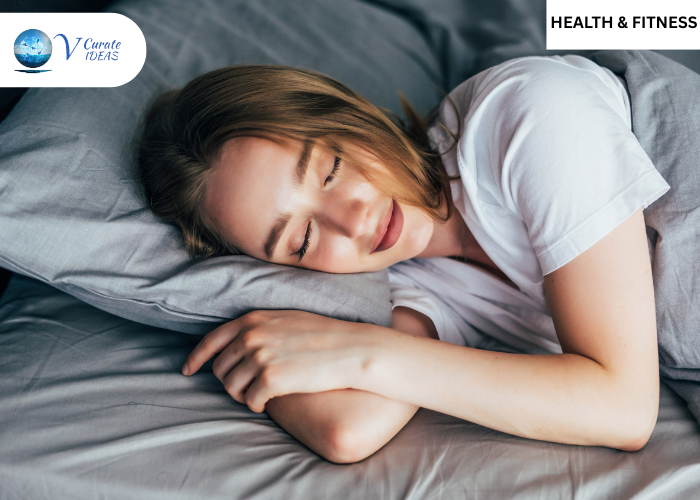
Sleep Reset Culture
Why quality sleep is becoming the ultimate productivity trend


The U.S. Department of Health and Human Services (HHS) has launched a bold new national initiative aiming to make wearable health devices a core part of American preventive healthcare. Dubbed the “Making America Healthy Again” (MAHA) plan, the campaign sets an ambitious goal: to get every American using a wearable health device—such as smartwatches or continuous glucose monitors (CGMs)—within the next four years.
This marks one of the largest digital health pushes in government history, supported by a nationwide media campaign that positions wearable devices as essential tools for tracking heart rate, sleep, metabolic health, and glucose levels.
Why Wearables?
Wearable technology has already been adopted by millions, but HHS is now treating it as a national public health asset. By providing real-time health data, these devices can help individuals better manage chronic conditions, spot early signs of illness, and make informed lifestyle changes.
The initiative is especially focused on combating obesity, pre-diabetes, and heart disease, which continue to affect tens of millions of Americans. Continuous glucose monitors, once used primarily by diabetics, are now being recommended for a wider population as a preventive measure.
Key Campaign Elements
Mass media rollout: A high-visibility campaign will promote wearables on TV, online, and in schools, workplaces, and medical centers.
Consumer incentives: HHS is exploring partnerships with manufacturers and insurers to make devices more accessible and potentially covered by health plans.
Data-driven prevention: The campaign emphasizes how consistent tracking of health metrics can reduce hospitalizations and improve long-term outcomes.
Concerns and Criticism
While the plan has received praise from tech and healthcare sectors, it also raises concerns about privacy, data ownership, and accessibility. Critics argue that large-scale health data collection must come with strict safeguards to protect users. Others worry that cost and insurance coverage could limit adoption among low-income populations.
Looking Ahead
If successful, the MAHA initiative could reshape how Americans engage with their health. With smart devices already integrated into daily life for many, the push to use them for wellness could make real-time health monitoring a national norm, potentially transforming healthcare delivery and public health outcomes.

Why quality sleep is becoming the ultimate productivity trend

Build skills that keep your career ahead in an AI driven world
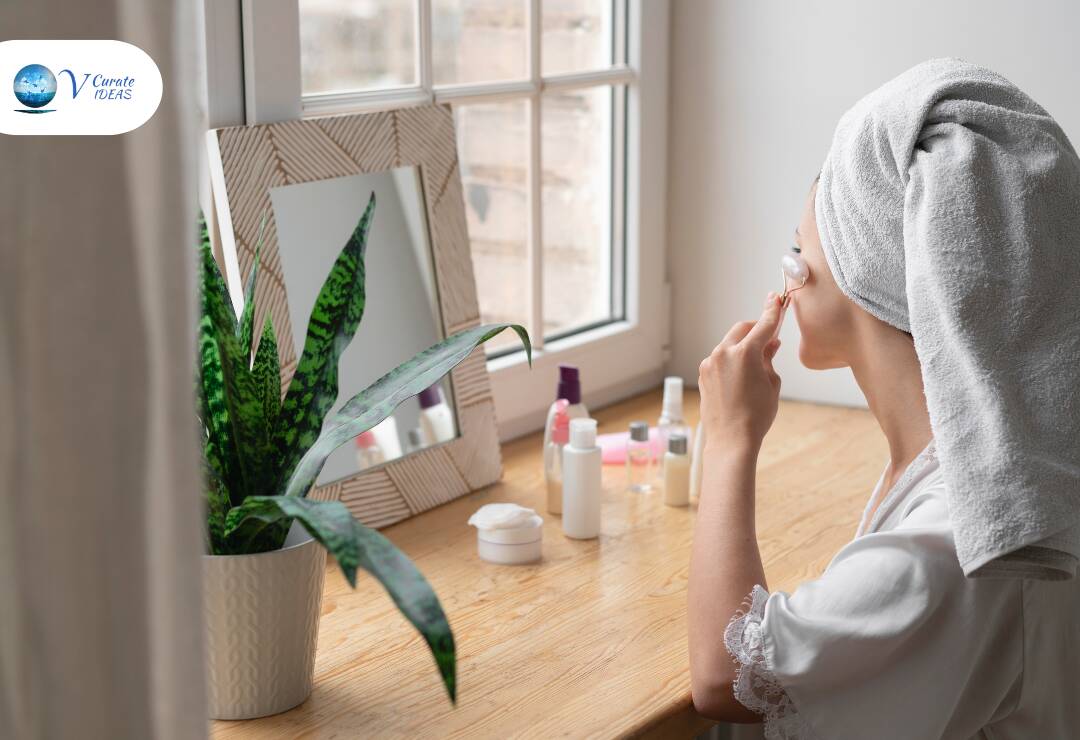
The Rise of Self-Care: A Blessing or a Curse? The Line Between Self-Care and Self-Absorption

Modern travel is becoming more about social media validation, aesthetic content, and posting moments than truly living them.
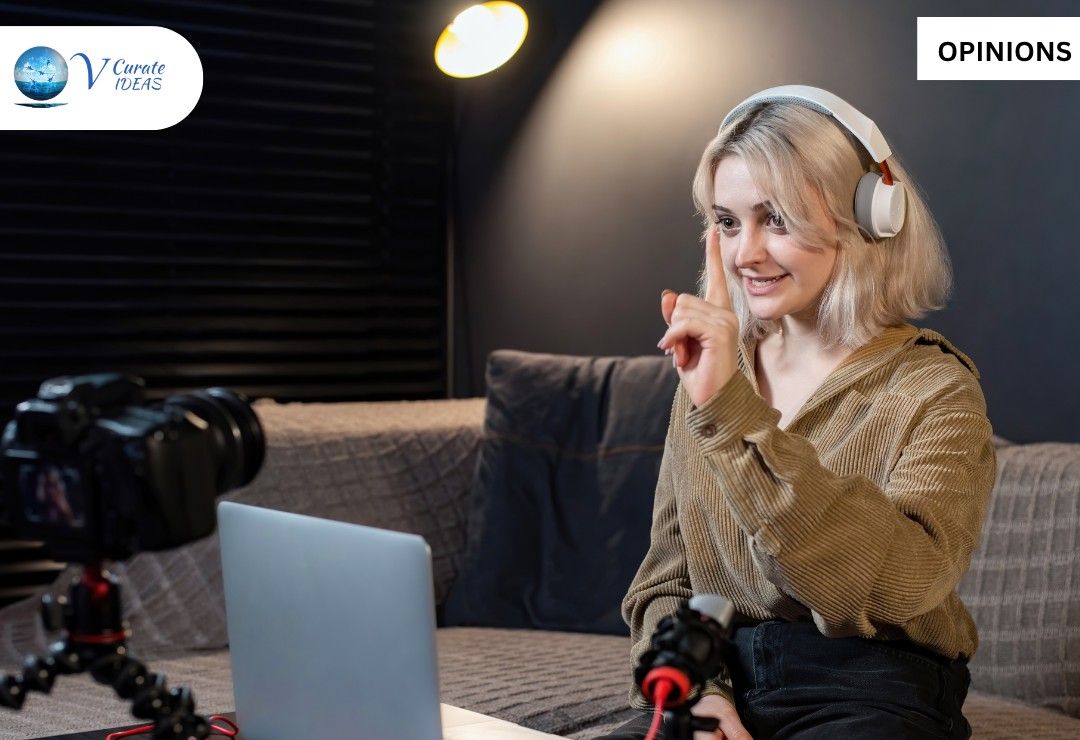
YouTube is more competitive than ever, but small creators can still grow with strategy, consistency, and niche content.

Smoking and vaping debate exploring health risks, personal freedom, addiction concerns, and whether a full ban is justified.
© Copyright 2019 - 2026, All Rights Reserved