Sleep Reset Culture
Why quality sleep is becoming the ultimate productivity trend


Having a side hustle sounds appealing. You can potentially earn additional income, develop new skills, work independently, and build something outside your regular job.
For many young people, the attraction is bigger than money. Gen Z entrepreneurship is often connected with flexibility, creativity, independence, and the desire to avoid relying entirely on one traditional career path.
The internet has also made starting an online side hustle easier. Freelancing, content creation, digital products, consulting, graphic design, writing, tutoring, and e-commerce can all be started on a relatively small scale.
AI has added another dimension. AI side hustles are emerging around automation, content production, research, design, customer support, and other digital services. Someone can potentially use technology to complete tasks faster while focusing more attention on finding customers and improving the service.
But there is another side to the conversation.
Social media frequently highlights successful entrepreneurs without showing the months or years of unsuccessful experiments behind those results. A profitable business rarely appears overnight. Most side hustles for beginners require learning, consistency, marketing, customer communication, and repeated improvement.
There is also the issue of time. Managing a job or studies while building another income stream can become exhausting. If a side hustle starts affecting sleep, relationships, health, or your primary responsibilities, its value needs to be questioned.
Perhaps the goal should not always be to build a huge company. A side project that earns modest additional income while teaching valuable skills can still be worthwhile.
The important thing may be choosing something sustainable rather than chasing every new online trend.
Would you start a side hustle today if you knew it might take a year or more before it generated meaningful income?

Why quality sleep is becoming the ultimate productivity trend

Build skills that keep your career ahead in an AI driven world
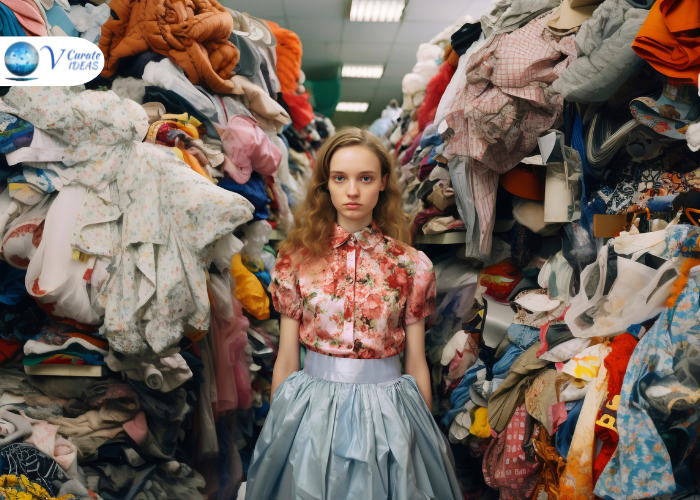
Discover why personal style is replacing fast fashion as the new trend for confident everyday choices

Explore subscription fatigue streaming apps costs and how digital habits are shifting online today

Elon Musk is famous for being an environmental entrepreneur and businessman. Let's take a survey to know why is he so famous :)

This survey is aimed at knowing the way social media is affecting our youth in both positive and negative ways.
© Copyright 2019 - 2026, All Rights Reserved






Participant Comments