Austin Russell’s Unicorns Story
How Austin Russell built Luminar into a billion dollar company and became a leader in autonomous vehicle innovation

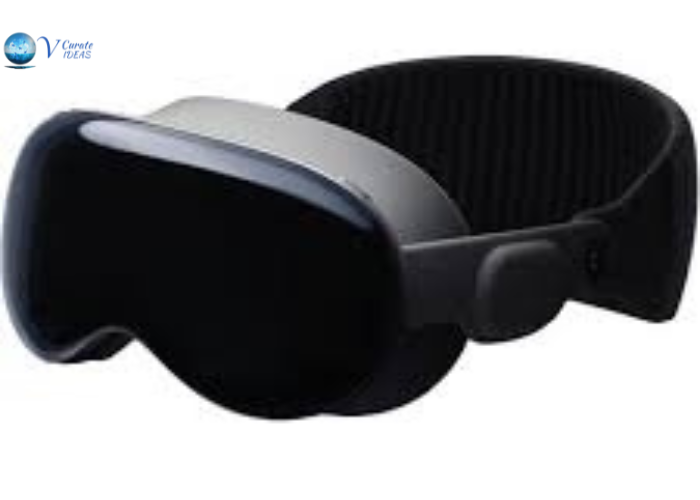
The conversation around futuristic technology often feels abstract until a device appears that actually changes how people interact with the digital world. The arrival of Apple Vision Pro has sparked exactly that kind of discussion. Early adopters, developers, and tech enthusiasts have all been trying to understand whether this device represents the future of computing. Reading through countless Apple Vision Pro review insights, it becomes clear that the headset is not simply another gadget but a glimpse into the next phase of spatial technology.
What immediately stands out about Apple Vision Pro mixed reality headset is its ability to blend digital content with the physical environment. Instead of isolating users inside a fully virtual world, the device allows apps, screens, and digital objects to exist within the real space around them. This approach creates a sense of immersion that feels both futuristic and surprisingly intuitive. For many users experiencing spatial computing technology for the first time, the interaction feels almost magical.
The display quality is often described as one of the most impressive aspects of the device. When people talk about Apple Vision Pro ultra high resolution display, they are referring to visuals so sharp that text, videos, and virtual interfaces appear incredibly realistic. Watching a film or exploring immersive apps through the headset feels more like stepping inside the content rather than simply viewing it on a screen.
Another fascinating element is the interface. Instead of relying on traditional controllers, the device uses eye tracking, hand gestures, and voice commands. This design choice is frequently highlighted in discussions about next generation user interface technology because it makes interactions feel natural and effortless. Navigating menus or resizing virtual screens becomes almost instinctive after a short period of use.
Of course, the broader conversation surrounding Apple Vision Pro future of augmented reality extends beyond entertainment. Developers are already experimenting with productivity tools, collaborative workspaces, and educational applications. Imagine students exploring complex scientific models in three dimensional space or designers manipulating digital prototypes in real time. These possibilities explain why many analysts see the device as an important milestone in consumer spatial computing devices.
For a generation that grew up surrounded by smartphones and digital ecosystems, the idea of interacting with technology through physical space feels like the next logical step. While the device is still evolving and may not yet be accessible to everyone, its impact on the conversation about future wearable technology is undeniable. The Apple Vision Pro does not just introduce a new product category. It challenges people to rethink how digital experiences can blend seamlessly with everyday life.

How Austin Russell built Luminar into a billion dollar company and became a leader in autonomous vehicle innovation

Kendall Jenner’s brand deals show how Gen Z influence shapes fashion, beauty, and business through smart partnerships and ownership

Discover how Gen Z can turn passions into income by building and monetizing micro-communities online for engagement and growth.

The next wave of entrepreneurial success will be led by those who think like Gen Z.

Spot early mental health warning signs and stay aware
© Copyright 2019 - 2026, All Rights Reserved