Sleep Reset Culture
Why quality sleep is becoming the ultimate productivity trend

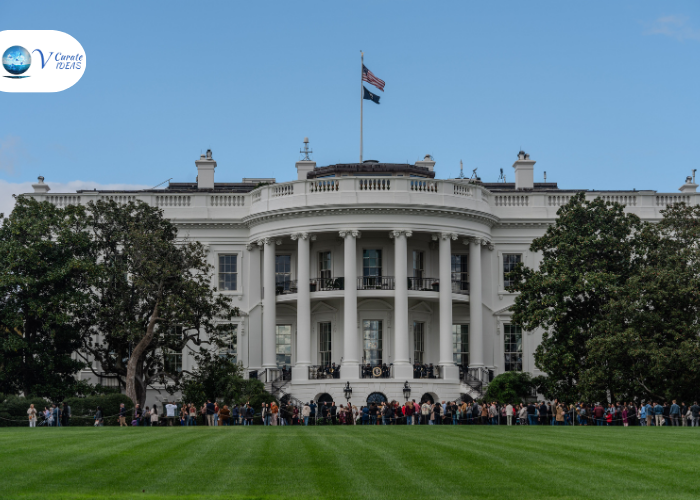
The Russia-Ukraine war is entering another important diplomatic moment as American officials seek to bring both sides closer to a negotiated settlement. Russian and Ukrainian representatives are scheduled to meet in Abu Dhabi for two days of US-backed discussions, raising fresh questions about whether diplomacy can produce a breakthrough after years of devastating conflict.
For American readers, the negotiations matter beyond foreign policy. The outcome could influence US military commitments, NATO's future, energy markets, international security, and Washington's relationships with European allies.
According to reporting published by Reuters on November 10, 2026, the Abu Dhabi meeting is the first direct meeting between Russian and Ukrainian officials since February.
The central obstacle remains territory. Moscow continues to demand that Ukraine surrender the entire Donbas region, while Ukrainian President Volodymyr Zelenskyy has rejected giving up territory defended by Ukrainian forces.
Washington is reportedly exploring a framework that could offer Ukraine an end to the war, security guarantees, and a path toward European Union membership.
However, a diplomatic framework is not the same as an agreed peace settlement.
Ukraine wants credible assurances that another invasion will not follow an agreement. Russia, meanwhile, continues to pursue territorial and political objectives that Kyiv considers unacceptable.
European participation is another sensitive issue. European representatives are expected to attend separately, while Moscow opposes their involvement in the negotiations. Several European governments have expressed concern about decisions affecting their security being discussed without their direct participation.
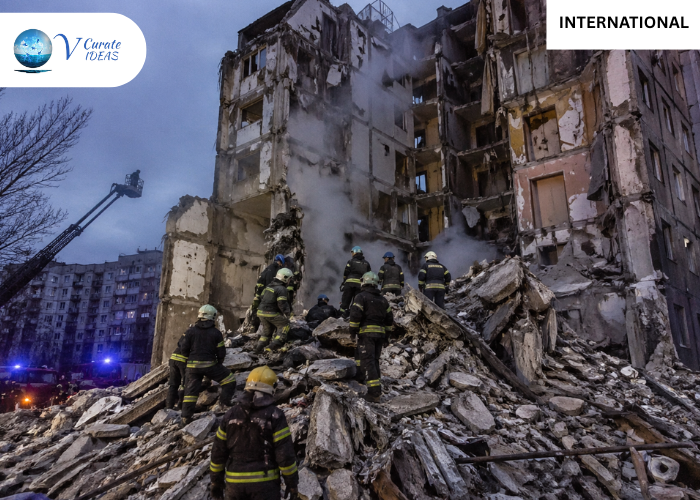
The conflict also continues on the battlefield. Attacks on energy infrastructure and military targets demonstrate how difficult it will be to translate diplomatic discussions into an actual ceasefire.
For the United States and Canada, the negotiations could influence defense budgets, NATO cooperation, sanctions policy, energy prices, and the future of transatlantic relations.
A settlement could reduce geopolitical uncertainty. A failed negotiation could prolong military spending and instability.
The Abu Dhabi talks represent an important opportunity, but the difficult questions remain unanswered.
The real test will not be whether officials sit around a negotiating table. It will be whether Russia and Ukraine can agree on enforceable security guarantees, territorial arrangements, and a lasting end to hostilities.
For now, the world is watching diplomacy unfold against the continuing reality of war.

Why quality sleep is becoming the ultimate productivity trend

Build skills that keep your career ahead in an AI driven world

The Rise of Self-Care: A Blessing or a Curse? The Line Between Self-Care and Self-Absorption

Modern travel is becoming more about social media validation, aesthetic content, and posting moments than truly living them.

YouTube is more competitive than ever, but small creators can still grow with strategy, consistency, and niche content.

Smoking and vaping debate exploring health risks, personal freedom, addiction concerns, and whether a full ban is justified.
© Copyright 2019 - 2026, All Rights Reserved