Sleep Reset Culture
Why quality sleep is becoming the ultimate productivity trend

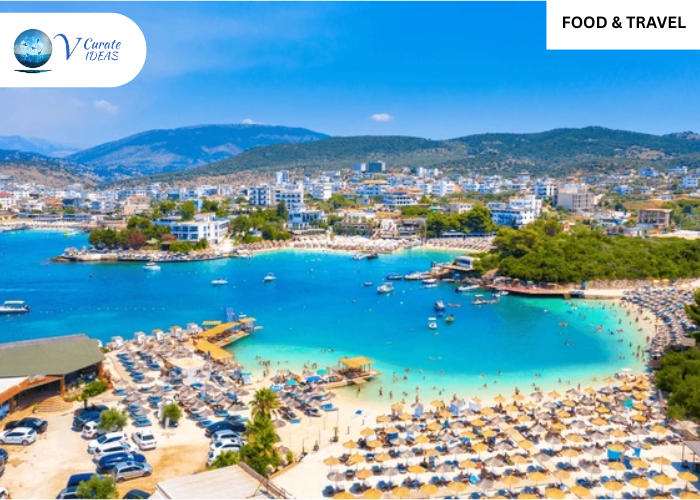
Travel in May 2026 is changing rapidly as global tourism faces a mix of rising demand, new visa rules, flight disruptions, and changing traveler behavior. One of the biggest travel trends right now is that tourists are becoming far more cautious with international trips because of ongoing tensions in the Middle East and rising airline costs. Many travelers are now choosing shorter vacations, nearby destinations, and flexible travel bookings instead of expensive long haul holidays. Countries like Spain, Portugal, and Greece are seeing a rise in bookings because travelers currently view them as safer and more stable destinations for summer travel.
Airlines across Europe and Asia are also dealing with higher fuel prices and disrupted air routes, especially around Middle Eastern airspace. Some flights are taking longer alternative routes while ticket prices continue to rise. Travelers are increasingly booking last minute trips instead of planning months ahead because of uncertainty around global travel conditions. Many tourists are also buying refundable airline tickets and flexible hotel reservations in case plans suddenly change.
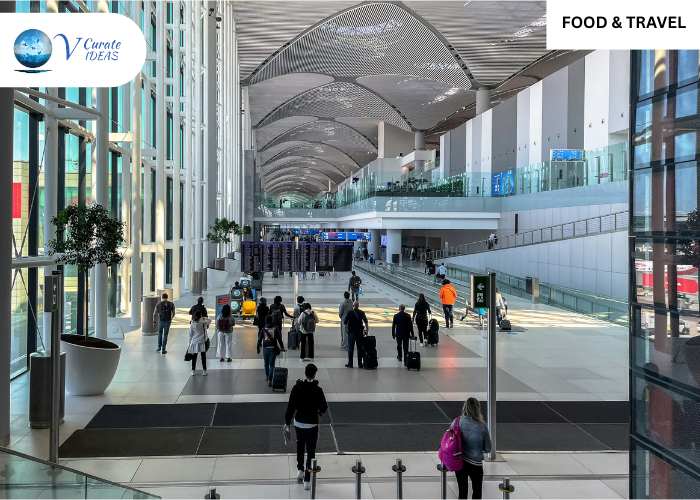
Another major travel update in 2026 is the expansion of digital travel authorization systems. The UK has tightened enforcement of its ETA system, meaning travelers from many countries now need digital approval before boarding flights to Britain. Airlines are directly checking ETA approvals at airports and denying boarding to passengers without proper authorization. Europe is also continuing its new biometric border entry systems which are causing delays at some airports, especially during peak travel season.
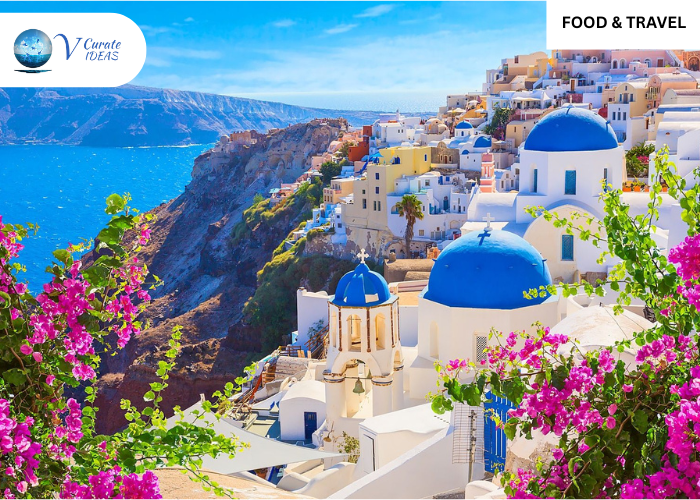
Greece has become one of the most talked about travel destinations this month after temporarily relaxing some airport biometric checks for British tourists because of extremely long queues. The move immediately boosted tourism demand and made Greece even more attractive for summer travelers looking for easier airport experiences. Tourism officials across southern Europe are now discussing whether strict border checks could damage tourism during the busy holiday season.
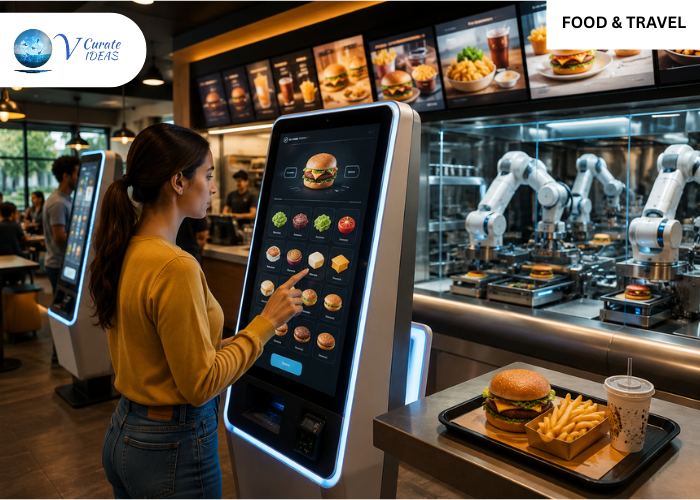
Artificial intelligence is also becoming one of the biggest travel industry trends in 2026. Travel companies and airlines are heavily investing in AI powered booking systems, personalized trip recommendations, smart itinerary planning, and digital customer support. AI is now helping travelers compare flight prices faster, translate languages during trips, and even build custom vacation schedules within seconds. Industry leaders say AI will completely reshape how people search, book, and experience travel over the next few years.
The upcoming 2026 FIFA World Cup is already affecting global tourism patterns as millions of football fans prepare for travel across the United States, Canada, and Mexico. However, hotel companies and tourism businesses in the U.S. are worried that visa restrictions and expensive travel costs may reduce the number of international visitors expected for the tournament. Airlines are preparing for increased demand on North American routes, but many travelers are still concerned about visa processing times and higher ticket prices.
Asian tourism is also experiencing major growth in digital travel services. Malaysia recently expanded its partnership between airlines and Visa payment systems to make international travel smoother and more personalized for tourists. Digital wallets, seamless airport payments, and app based travel experiences are becoming more common across Asia as countries compete for younger travelers and digital nomads.
Travel experts say one of the strongest trends in 2026 is “experience first tourism,” where people prioritize concerts, sports events, wellness retreats, food tourism, and adventure trips over luxury shopping. Budget conscious travelers are especially searching for affordable micro vacations, quick city breaks, and regional travel deals instead of expensive multi country trips.
At the same time, online travel discussions show many travelers feeling nervous about rising costs, canceled flights, and changing visa policies. Social media and travel forums are full of discussions about delayed Schengen visas, flight cancellations, and uncertainty around future travel conditions, especially for travelers from South Asia and the Middle East.

Why quality sleep is becoming the ultimate productivity trend

Build skills that keep your career ahead in an AI driven world

The Rise of Self-Care: A Blessing or a Curse? The Line Between Self-Care and Self-Absorption

Modern travel is becoming more about social media validation, aesthetic content, and posting moments than truly living them.

YouTube is more competitive than ever, but small creators can still grow with strategy, consistency, and niche content.

Smoking and vaping debate exploring health risks, personal freedom, addiction concerns, and whether a full ban is justified.
© Copyright 2019 - 2026, All Rights Reserved