Sleep Reset Culture
Why quality sleep is becoming the ultimate productivity trend

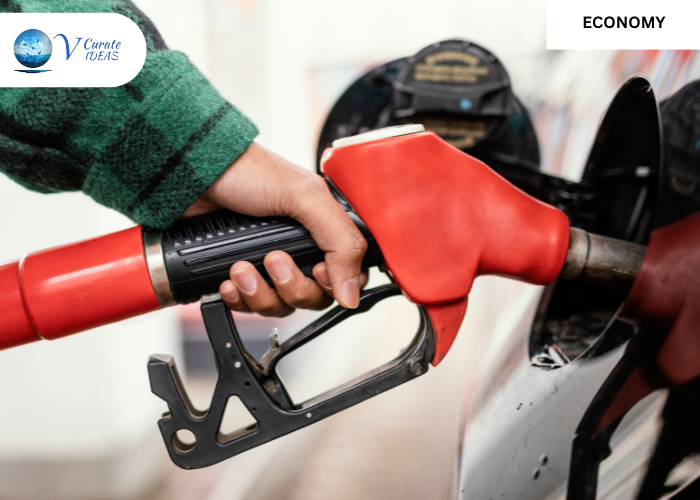
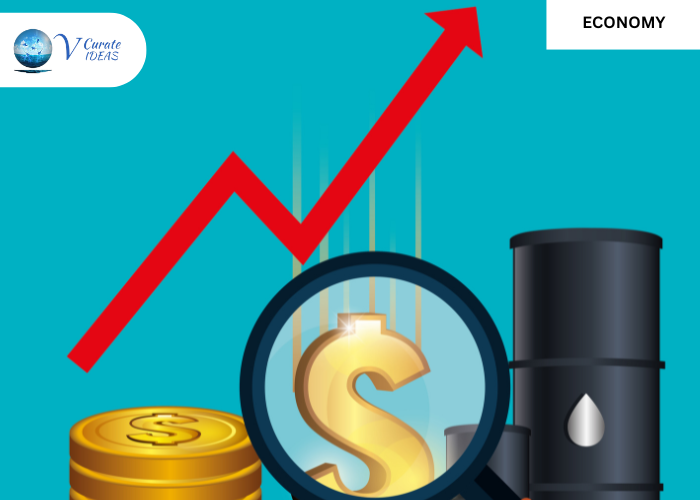
Global oil prices climbed sharply on Tuesday, with Brent crude oil rising back above $100 a barrel, as conflicting reports about potential talks between the United States and Iran unsettled markets. In Asian trading, Brent crude increased by around 4% to $103.94 per barrel, while Nymex Light Sweet rose 4.1% to $91.75. The rebound follows a steep drop of more than 10% on Monday, triggered by signals of possible de-escalation.
US President Donald Trump had earlier announced a delay in planned strikes on Iranian power plants, citing “productive” discussions with Tehran. The statement initially calmed markets, raising hopes of a diplomatic resolution. However, Iranian authorities rejected claims of direct contact, calling them an attempt to influence global markets. The conflicting narratives have renewed uncertainty among investors, contributing to the latest price surge.
Tensions had escalated over the weekend when Trump warned Iran to reopen the Strait of Hormuz within 48 hours or face severe military action. Iran responded by threatening to target key regional infrastructure, pushing oil prices as high as $113 per barrel. Energy markets have remained volatile since the outbreak of conflict involving the US, Israel, and Iran in late February. The situation has disrupted flows through the Strait of Hormuz, a critical route that typically handles about 20% of global oil and liquefied natural gas supplies.
Despite the instability in energy markets, Asian stock indices showed signs of recovery on Tuesday. Japan’s Nikkei 225 rose 0.8%, Hong Kong’s Hang Seng Index gained 1.6%, and South Korea’s Kospi increased by 2.2%, after sharp declines a day earlier. Governments worldwide are taking measures to manage supply disruptions and rising energy costs. The United States has temporarily eased sanctions on certain Russian and Iranian oil shipments already at sea in an effort to stabilize global supply. As uncertainty over diplomacy persists, markets are expected to remain sensitive to developments in the region.

Why quality sleep is becoming the ultimate productivity trend

Build skills that keep your career ahead in an AI driven world

The Rise of Self-Care: A Blessing or a Curse? The Line Between Self-Care and Self-Absorption

Modern travel is becoming more about social media validation, aesthetic content, and posting moments than truly living them.
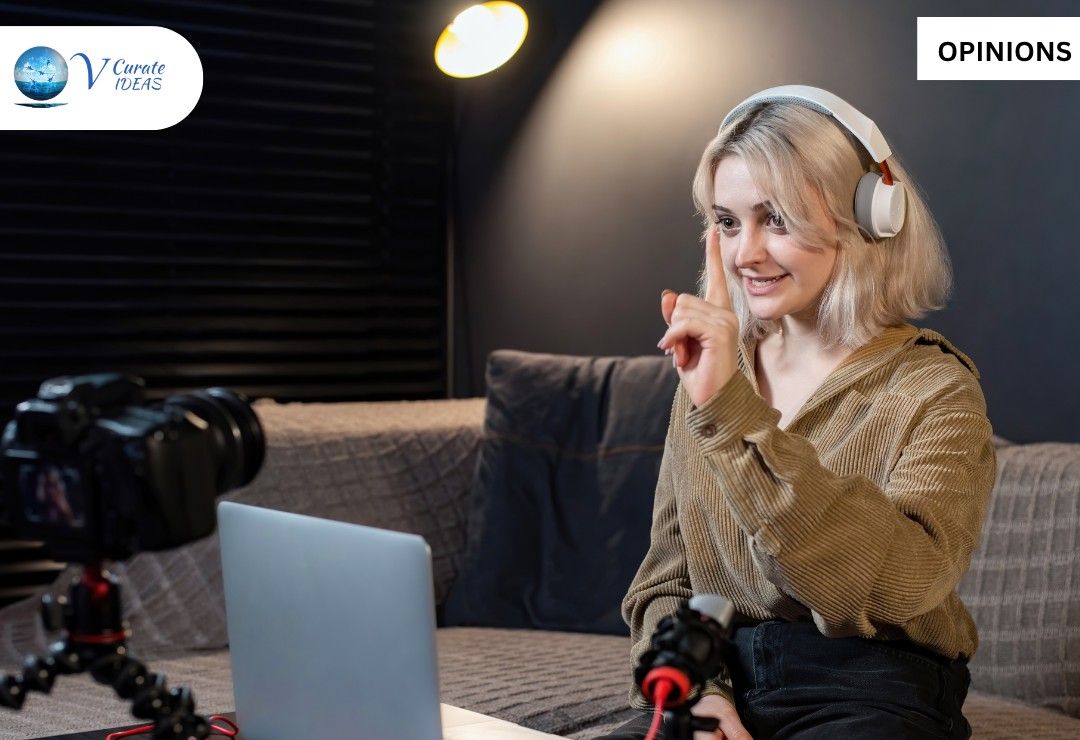
YouTube is more competitive than ever, but small creators can still grow with strategy, consistency, and niche content.
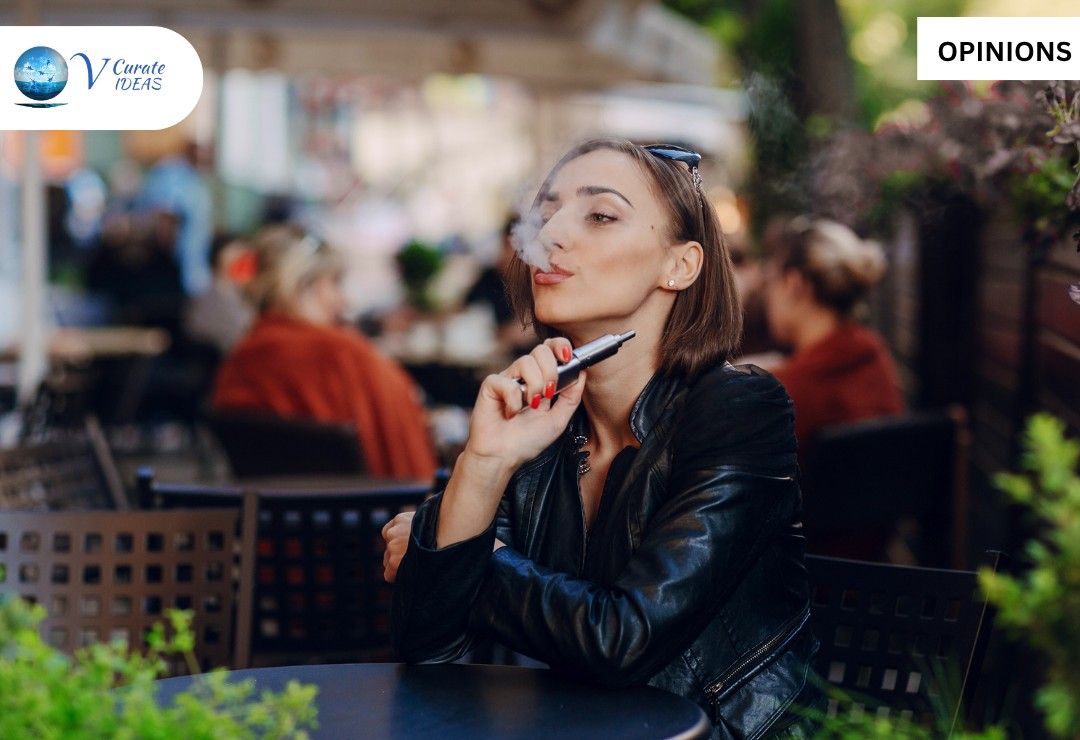
Smoking and vaping debate exploring health risks, personal freedom, addiction concerns, and whether a full ban is justified.
© Copyright 2019 - 2026, All Rights Reserved