Sleep Reset Culture
Why quality sleep is becoming the ultimate productivity trend

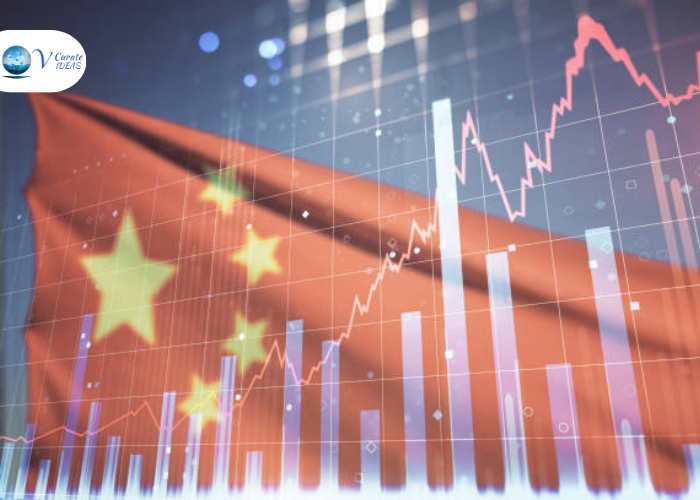
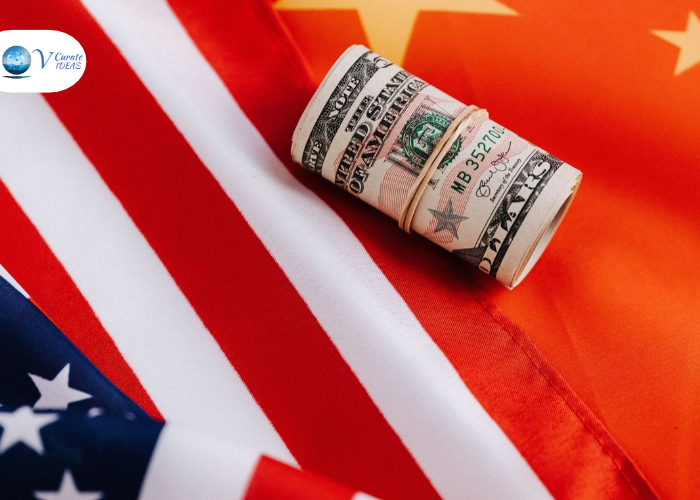
China's trade surplus has crossed the $1 trillion mark during the first ten months of 2026, highlighting the country's growing influence in global commerce. A worldwide race to expand artificial intelligence infrastructure has helped strengthen demand for Chinese technology products, particularly semiconductors, electronics and equipment used in data centres. The milestone also reflects China's increasing reliance on international markets at a time when domestic consumption remains relatively weak.
According to trade figures reported on November 10, China's surplus reached approximately $1.04 trillion between January and October. October exports recorded a substantial year-on-year increase, supported by strong demand for high-technology products and automobiles.
The AI investment boom has emerged as an important driver of this growth. Governments and technology companies worldwide are investing heavily in computing infrastructure, creating additional demand for chips, electronic components and industrial equipment. Chinese manufacturers have benefited from this expanding market.
However, the export boom presents a complicated picture for Beijing. Strong overseas sales are helping support economic growth despite subdued household spending and continued weakness in the property sector. At the same time, a widening trade surplus could intensify concerns among major trading partners about market competition, industrial overcapacity and dependence on Chinese manufacturing.
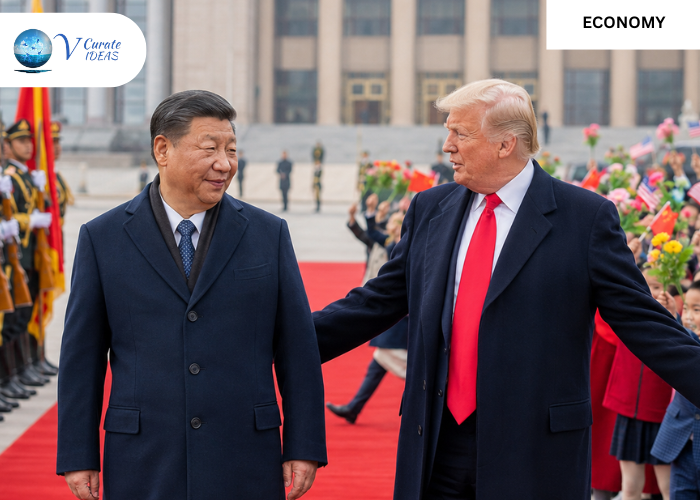
Trade relations with the United States and European Union remain particularly important. Tariffs, proposed trade restrictions and disagreements over industrial subsidies could create additional obstacles for Chinese exporters.
Meanwhile, economists caution that relying heavily on external demand carries risks. Any slowdown in global AI investment or decline in technology prices could affect export earnings and manufacturing activity.
China's trillion-dollar trade surplus demonstrates the strength of its manufacturing ecosystem and its ability to benefit from emerging technology markets. However, maintaining sustainable growth will require stronger domestic demand, greater economic balance and constructive trade relationships.
AI is becoming an increasingly important force in global trade. Countries that control critical technology supply chains may gain significant economic advantages, but those advantages could also intensify international competition.

Why quality sleep is becoming the ultimate productivity trend

Build skills that keep your career ahead in an AI driven world

The Rise of Self-Care: A Blessing or a Curse? The Line Between Self-Care and Self-Absorption

Modern travel is becoming more about social media validation, aesthetic content, and posting moments than truly living them.

YouTube is more competitive than ever, but small creators can still grow with strategy, consistency, and niche content.

Smoking and vaping debate exploring health risks, personal freedom, addiction concerns, and whether a full ban is justified.
© Copyright 2019 - 2026, All Rights Reserved