The Moment Movie Review
Dive into a cinematic journey of fame, identity, and social media culture.

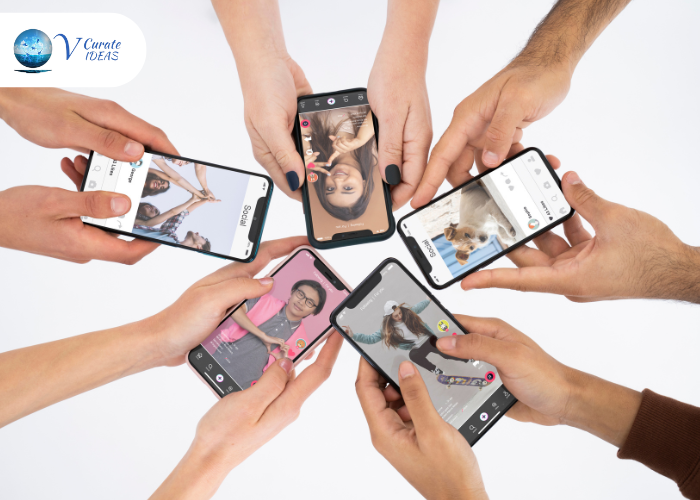
In today’s digital age, social media isn’t just a platform for sharing photos and videos — it has become a powerful force shaping how we shop, what we buy, and even how we perceive brands. From TikTok challenges to Instagram reels, the trends that sweep social platforms can turn ordinary products into global sensations overnight.
One of the biggest ways social media drives consumer behavior is through virality. A product featured in a viral video can sell out in hours. For example, a short-form TikTok clip demonstrating a beauty hack or a new kitchen gadget can spark massive demand, even if the product was previously unknown. The immediacy and shareability of social media allow trends to spread faster than traditional marketing ever could.
Influencers play a critical role in shaping consumer decisions. People tend to trust recommendations from relatable figures over traditional advertisements. Whether it’s a fashion influencer showcasing the latest sneakers or a fitness creator endorsing a health supplement, social media personalities can sway buying habits simply by sharing their personal experience. Peer reviews, comments, and likes further reinforce these trends, creating a sense of social proof that encourages purchases.
Behind the scenes, algorithms also influence consumer behavior. Platforms like Instagram, TikTok, and YouTube analyze users’ preferences and behavior, delivering content that aligns with their interests. This means users are constantly exposed to products, brands, or trends they are more likely to engage with — a digital nudge that subtly shapes their shopping decisions over time.
The fear of missing out, or FOMO, is another psychological driver intensified by social media. Limited-time product drops, trending challenges, or viral hashtags create a sense of urgency. Consumers often buy products not because they need them, but because they want to be part of a trend or online conversation. This phenomenon has made scarcity marketing and hype campaigns more effective than ever.
Social media also gives consumers a voice. Product reviews, unboxing videos, and honest feedback can influence the decisions of thousands. Brands monitor these conversations and often adapt their strategies based on consumer sentiment. This real-time feedback loop empowers consumers and increases their impact on market trends.
Social media has transformed consumer behavior from a slow, predictable process into a fast-paced, trend-driven phenomenon. Virality, influencers, algorithms, FOMO, and instant feedback are all interconnected forces that shape what people buy, when they buy, and why they buy it. For brands and marketers, understanding these dynamics is no longer optional — it’s essential. In the digital era, social media trends are not just shaping opinions, they’re shaping entire markets.
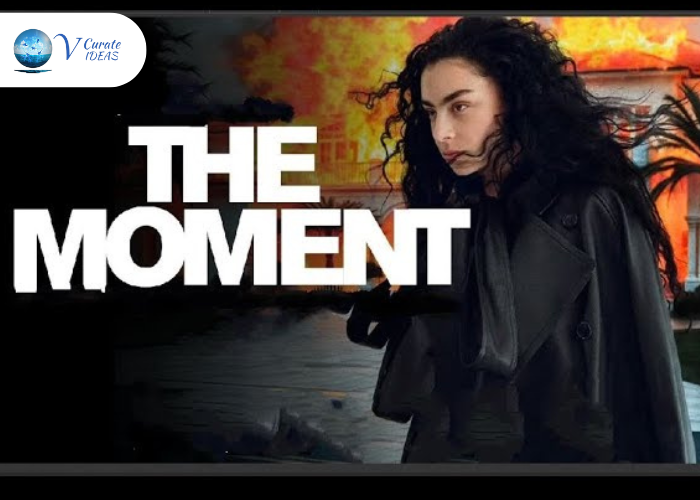
Dive into a cinematic journey of fame, identity, and social media culture.
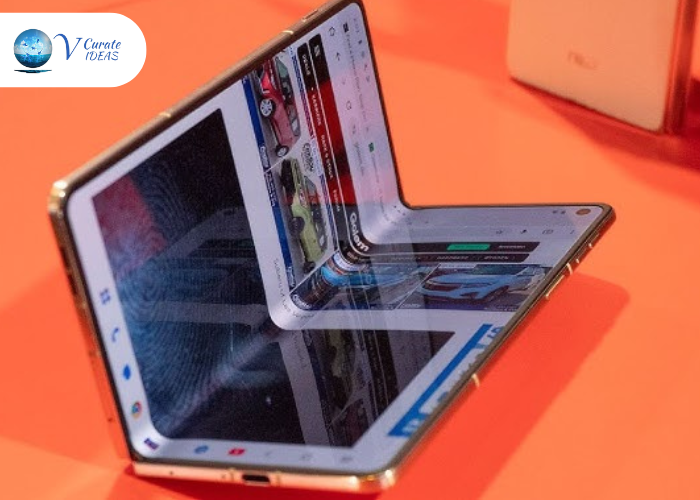
Foldable innovation meets nostalgia with style, multitasking, and Gen Z vibes.
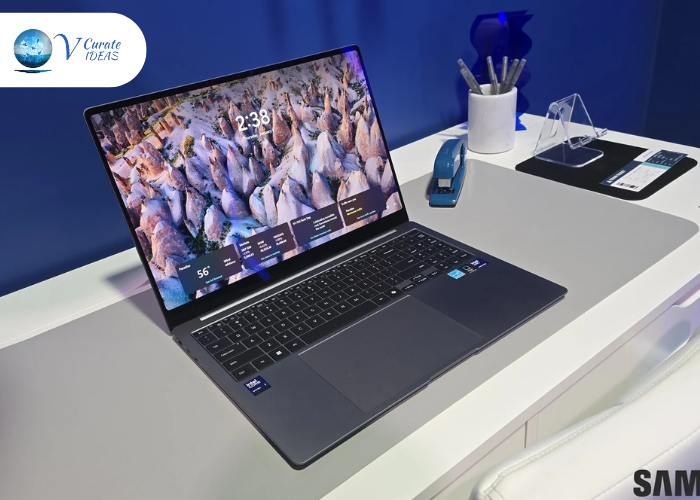
A powerhouse laptop blending creativity, AI performance, and seamless mobility.

Engaging psychological thrillers sparking conversation across cultures globally.

A bold, emotional story exploring identity, agency, and modern adolescence.
© Copyright 2019 - 2026, All Rights Reserved